Table of Contents >> Show >> Hide
- What “Chinese Recipes” Really Means (It’s Not One Flavor)
- Your Chinese Pantry Starter Pack
- Techniques That Make Home Chinese Cooking Taste Like “Takeout” (In a Good Way)
- Pick-a-Lane Flavor Map (So You Know What You’re Aiming For)
- 10 Chinese Recipes to Cook on Repeat
- 1) Takeout-Style Beef and Broccoli
- 2) Kung Pao Chicken (Weeknight Version)
- 3) Mapo Tofu (Sichuan-Inspired)
- 4) Egg Fried Rice (The “Use Leftovers Like a Genius” Classic)
- 5) Tomato and Egg Stir-Fry
- 6) Scallion Pancakes (Crispy Layers, Minimal Regret)
- 7) Pork and Chive Dumplings (Jiaozi)
- 8) Quick Lo Mein (Use Spaghetti, No One Will Call the Police)
- 9) Hot-and-Sour-ish Soup (Home Edition)
- 10) Garlic Green Beans (The “How Is This Vegetable This Good?” Dish)
- Meal-Planning Like a Pro (Without Becoming One)
- Common Mistakes (and Easy Fixes)
- Conclusion
- Kitchen Stories: Real-Life Chinese Cooking Wins & Oops Moments (Extra )
- SEO Tags
“Chinese recipes” sounds like one tidy folder on your laptop. In real life, it’s more like 1,000 folders,
each with three subfolders named “Auntie’s Version,” “Restaurant Version,” and “How Did I Set Off the Smoke Alarm?”
The good news: you don’t need a pro wok station (or a commercial fire hose) to cook Chinese food that tastes
vibrant, balanced, and deeply comforting at home.
This guide is your friendly on-ramp: the pantry staples that do the heavy lifting, the techniques that make
everything taste “right,” and 10 reliable Chinese recipes you can rotate through without getting bored.
You’ll see a mix of Chinese home-cooking classics and Chinese-American favoritesbecause both are delicious,
and your weeknight deserves joy.
What “Chinese Recipes” Really Means (It’s Not One Flavor)
China is huge, and its food cultures are wildly diverse. A Cantonese stir-fry can be light and glossy with
ginger and scallion. A Sichuan dish can be bold, chili-forward, and “mála” (spicy + pleasantly numbing).
Northern cooking leans into wheatdumplings, noodles, savory pancakeswhile Shanghainese red-braised dishes
are often deeper and slightly sweet-savory.
So if you’ve ever tried a random “Chinese sauce” recipe online and thought, Why does this taste like sweet soy syrup?
you’re not alone. Great Chinese recipes usually follow a few dependable ideas: balance (salty, sweet, sour, heat),
texture (tender protein, crisp vegetables), and timing (high heat, fast cooking, no overcrowding).
Your Chinese Pantry Starter Pack
You can cook a surprising number of Chinese recipes with a small, smart pantry. Start here, then expand as your
cravings get more specific (and they will).
Essential sauces, seasonings, and “why does this make everything better?” bottles
- Light/regular soy sauce: your everyday salty-umami base.
- Dark soy sauce: deeper color and a rounder, slightly sweeter tone (use less than light soy).
- Shaoxing wine (or dry sherry in a pinch): adds that restaurant-style “savory aroma.”
- Chinkiang (black) vinegar: mellow, complex sournessgreat in dumplings and sauces.
- Oyster sauce: sweet-savory depth that makes stir-fries taste finished.
- Toasted sesame oil: a finishing oilthink perfume, not cooking fuel.
- Doubanjiang (fermented chili bean paste): essential for Sichuan-style dishes like mapo tofu.
- Cornstarch: for velvety marinades and glossy sauces.
- White pepper: subtle warmth that reads “Chinese restaurant soup” in the best way.
- Optional but lovable: chili crisp, Sichuan peppercorns, hoisin, chili-garlic sauce.
Fresh basics (the holy trio and their friends)
- Garlic + ginger + scallions (buy extra scallions; you’ll use them like confetti).
- Broccoli, bok choy, napa cabbage, mushrooms, bell peppers for quick stir-fries and soups.
- Eggs for fried rice, tomato-egg stir-fry, and “I need dinner in 8 minutes.”
Techniques That Make Home Chinese Cooking Taste Like “Takeout” (In a Good Way)
1) Velveting: the secret to tender, silky stir-fry protein
Velveting is a classic technique that helps chicken, pork, and beef stay tender under high heat.
The basic idea: thin slices of protein get a quick marinade with cornstarch (often with egg white and a splash of wine),
forming a light coating that protects the meat and helps sauce cling.
Home-friendly move: after marinating, you can briefly blanch the protein (in water or oil) and then finish stir-frying.
Even if you skip the blanching step, the marinade alone can noticeably improve textureas long as you don’t overcook.
2) Stir-fry timing: cook in the right order, not the right vibes
Stir-frying is fast, which means your prep matters. Have everything chopped and ready. Then follow this rhythm:
- Protein first (sear, then remove).
- Aromatics (ginger/garlic/scallion whites) for 10–20 seconds.
- Hard vegetables (broccoli stems, carrots) before tender vegetables (snow peas, bok choy leaves).
- Sauce last (it thickens fast), then return the protein and toss to coat.
The biggest stir-fry killer is crowding the pan. Too much food at once creates steam, and steam is great for dumplings
but it’s the enemy of “browned and glossy.”
3) The “good enough for weeknights” sauce formula
When you’re not measuring with lab equipment (a.k.a. a spoon), a simple ratio saves dinner:
- 2 parts salty: soy sauce (or soy + oyster sauce)
- 1 part aromatic: Shaoxing wine
- 1 part sour or sweet: black vinegar or sugar/honey
- Thickener: 1–2 teaspoons cornstarch mixed with cold water (slurry)
Taste as you go. If it’s flat, add a small splash of vinegar. Too sharp? Add a pinch of sugar. Too salty? Add a spoon of water.
4) Wok vs. skillet: don’t let cookware gatekeep your dinner
A wok is great, but a large stainless skillet or cast-iron pan works beautifully. The goal is surface area and heat.
Preheat the pan until it’s properly hot (a drop of water should sizzle and skitter), then add oil and cook in batches.
Pick-a-Lane Flavor Map (So You Know What You’re Aiming For)
Cantonese-inspired
Light, clean flavors. Ginger-scallion, delicate sauces, quick stir-fries, and soups with clarity.
Sichuan-inspired
Big flavors: chili heat, fermented bean pastes, garlic, and the famous “mála” sensation from Sichuan peppercorns.
Northern-style comfort
Dumplings, noodles, savory pancakes, and vinegar-forward dipping sauceswheat-based happiness.
Red-braised (Shanghainese-style vibes)
Soy + aromatics + a touch of sweetness, simmered until deeply savory and glossy.
10 Chinese Recipes to Cook on Repeat
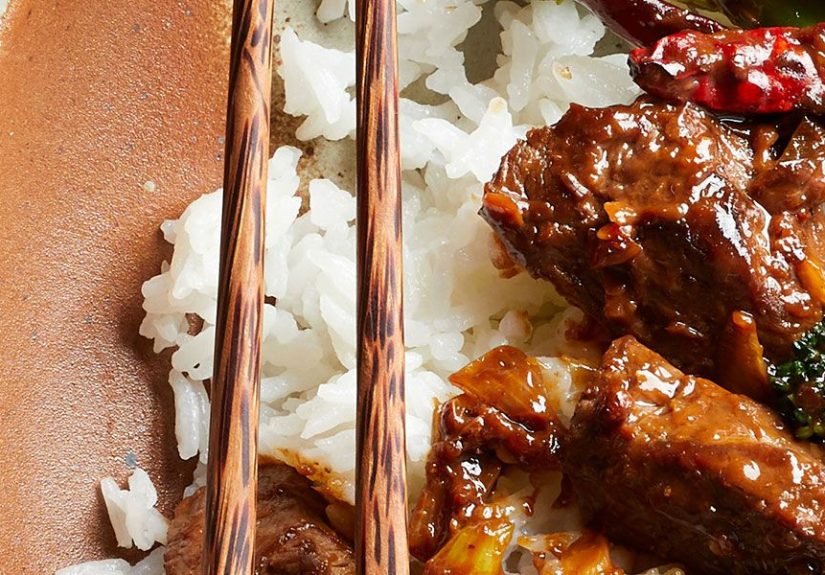
1) Takeout-Style Beef and Broccoli
Why it works: quick sear, crisp-tender broccoli, and a glossy sauce that hits salty-sweet in the right spot.
Ingredients: flank steak (thin-sliced), broccoli florets, garlic, ginger, soy sauce, brown sugar, Shaoxing wine (optional), cornstarch, water, neutral oil.
Method:
- Slice steak thin; toss with a teaspoon of cornstarch and a splash of soy sauce.
- Blanch broccoli 60–90 seconds, then drain (this keeps it bright and speeds up stir-frying).
- Sear steak in a hot pan; remove.
- Stir-fry garlic and ginger briefly; add broccoli and toss.
- Add sauce (soy + water + a little sugar + cornstarch slurry), return steak, and cook until glossy.
2) Kung Pao Chicken (Weeknight Version)
Why it works: crunchy nuts, a tangy-spicy sauce, and chicken that stays tender.
Ingredients: chicken thighs (cubed), peanuts or cashews, dried chilies (or fresh), bell pepper, scallions, garlic, soy sauce, black vinegar, sugar, cornstarch.
Method:
- Marinate chicken with soy sauce, Shaoxing wine (or water), and cornstarch for 10–20 minutes.
- Toast peanuts in the pan briefly; remove.
- Sear chicken; remove. Stir-fry chilies, garlic, and scallion whites.
- Add peppers; then add sauce (soy + vinegar + sugar + water).
- Return chicken and nuts; toss until coated. Finish with scallion greens.
Tip: Want more “authentic heat” without suffering? Add a spoon of chili crisp at the end.
3) Mapo Tofu (Sichuan-Inspired)
Why it works: soft tofu + spicy-savory sauce + that signature peppercorn tingle.
Ingredients: tofu (medium or soft), ground pork or beef (or mushrooms), doubanjiang, garlic, ginger, scallions, soy sauce, stock or water, cornstarch slurry, Sichuan peppercorns (optional but awesome).
Method:
- Gently simmer tofu cubes in salted water 2 minutes (helps it hold shape).
- Sauté ground meat (or chopped mushrooms) until browned; add garlic and ginger.
- Stir in doubanjiang and cook 30 seconds to bloom flavor.
- Add stock/water and soy sauce; slide in tofu and simmer gently.
- Thicken with cornstarch slurry; finish with scallions and a pinch of ground Sichuan peppercorn.
4) Egg Fried Rice (The “Use Leftovers Like a Genius” Classic)
Why it works: day-old rice fries up fluffy, not gummyso every grain gets seasoned.
Ingredients: cooked cold rice, eggs, scallions, peas/carrots (optional), soy sauce, sesame oil (tiny), neutral oil.
Method:
- Heat pan, add oil, scramble eggs quickly; remove.
- Add a little more oil; fry rice, breaking up clumps.
- Add vegetables if using; then soy sauce around the edge of the pan.
- Return eggs, toss, finish with scallions and a few drops of sesame oil.
5) Tomato and Egg Stir-Fry
Why it works: sweet-tangy tomatoes + soft eggs = comfort food with 10-minute energy.
Ingredients: tomatoes, eggs, scallions, a pinch of sugar, salt, a splash of soy sauce (optional).
Method:
- Scramble eggs softly; remove.
- Sauté tomatoes with salt and a pinch of sugar until saucy.
- Return eggs, fold gently, top with scallions.
6) Scallion Pancakes (Crispy Layers, Minimal Regret)
Why it works: hot-water dough creates chewy layers; scallions bring sweet oniony bite.
Ingredients: all-purpose flour, boiling water, scallions, salt, neutral oil.
Method:
- Mix flour + boiling water + salt into a dough; rest 20 minutes.
- Roll out, brush with oil, sprinkle scallions and salt, roll into a log, coil, then roll flat again.
- Pan-fry until golden on both sides; slice and serve with soy + vinegar.
7) Pork and Chive Dumplings (Jiaozi)
Why it works: juicy filling, chewy wrapper, and that dip of black vinegar that makes you “accidentally” eat 14.
Ingredients: ground pork, Chinese chives (or scallions), ginger, soy sauce, sesame oil (tiny), salt, white pepper, dumpling wrappers.
Method:
- Mix filling in one direction until sticky (it helps bind and stay juicy).
- Fill wrappers, seal well (water helps glue the edges).
- Boil until they float and the wrapper looks slightly translucent; or pan-fry potsticker-style for crispy bottoms.
- Dip: black vinegar + soy + minced garlic (optional) + chili crisp (optional, but yes).
8) Quick Lo Mein (Use Spaghetti, No One Will Call the Police)
Why it works: a savory sauce clings to noodles, and you can throw in whatever vegetables are looking nervous in your fridge.
Ingredients: lo mein noodles (or spaghetti), oyster sauce, soy sauce, sesame oil (tiny), sugar, garlic, ginger, mushrooms, snow peas, carrots.
Method:
- Cook noodles; drain well.
- Stir-fry aromatics and vegetables; add noodles.
- Toss with sauce (oyster + soy + a pinch of sugar + splash of water). Finish with a few drops of sesame oil.
9) Hot-and-Sour-ish Soup (Home Edition)
Why it works: you control the tang and heat, and it’s shockingly satisfying for how little effort it takes.
Ingredients: chicken or veggie broth, mushrooms, tofu, egg (optional), black vinegar, soy sauce, white pepper, cornstarch slurry, chili oil or chili crisp.
Method:
- Simmer broth with mushrooms and tofu.
- Season with soy, vinegar, and white pepper.
- Thicken lightly with cornstarch slurry; drizzle in beaten egg if you want ribbons.
- Finish with chili oil and scallions.
10) Garlic Green Beans (The “How Is This Vegetable This Good?” Dish)
Why it works: blistered beans + garlic + savory sauce = an instant side that steals the spotlight.
Ingredients: green beans, lots of garlic, soy sauce, a pinch of sugar, optional ground pork or mushrooms.
Method:
- Cook beans in a hot pan with oil until blistered and tender-crisp; remove.
- Stir-fry garlic (and pork/mushrooms if using) briefly.
- Return beans; season with soy and a tiny pinch of sugar; toss fast and serve.
Meal-Planning Like a Pro (Without Becoming One)
If you want Chinese recipes to feel effortless, prep a few building blocks:
- Cook rice and chill it (hello, fried rice all week).
- Mix a jar of all-purpose sauce (soy + Shaoxing + vinegar + sugar) and add slurry later per dish.
- Freeze dumplings on a tray, then bag themfuture you will feel personally loved by past you.
- Keep aromatics prepped (ginger/garlic minced) for lightning-fast stir-fries.
Common Mistakes (and Easy Fixes)
- Watery stir-fry: your pan wasn’t hot enough or you crowded it. Cook in batches.
- Gluey sauce: too much cornstarch or simmered too long. Use a lighter slurry and add it gradually.
- Sesame oil overload: it’s a finishing oil. A few drops go farlike cologne.
- “It tastes fine but boring”: add acid (black vinegar), or a pinch of sugar, or both. Balance is magic.
- Overcooked chicken: slice thinner, velvet it, and cook just until donecarryover heat is real.
Conclusion
Chinese recipes aren’t one trickthey’re a toolkit. Stock a small pantry, learn one or two techniques (velveting,
batch stir-frying, and sauce balancing), and you can cook meals that feel exciting even on a Tuesday.
Start with fried rice and beef-and-broccoli, then level up to dumplings and mapo tofu when you’re ready.
And remember: if a recipe goes slightly sideways, you didn’t fail. You just created a new regional specialty called
“My Kitchen Style,” best served with confidence and a side of scallion pancakes.
Kitchen Stories: Real-Life Chinese Cooking Wins & Oops Moments (Extra )
The first time I tried to “cook Chinese food at home,” I did what many well-meaning people do: I bought one bottle
labeled “soy sauce,” assumed it was the entire culture, and poured it into everything like I was watering houseplants.
The result was… aggressively salty. My stir-fry tasted like it had been marinated in ocean vibes. That’s when I learned
the golden rule: Chinese recipes aren’t about dumping sauce; they’re about balancing flavor.
My next lesson came from sesame oil. I loved the smell so much that I cooked with it the way I’d cook with regular oil.
The kitchen smelled incredible for five minutes, and then the flavor turned heavy and bitter, like a candle that decided
to become a personality. Now I treat toasted sesame oil like fragrance: a few drops at the end, and suddenly the dish
smells like you know what you’re doing.
Then there was the Great Dumpling Night. I invited friends over, bought wrappers, made a pork-and-chive filling, and
proudly announced we would create “restaurant-quality jiaozi.” Three dumplings in, everyone’s confidence collapsed.
Our shapes ranged from “tiny purse” to “sad ravioli.” But here’s the twist: ugly dumplings still taste amazing. Once we
figured out a simple fold-and-press method, the table turned into a production linesomeone filling, someone sealing,
someone snacking on the “test dumplings” that were totally necessary for quality control.
The biggest win that night wasn’t techniqueit was the dipping sauce. A quick mix of black vinegar, soy sauce, and a
little minced garlic made even our lumpy dumplings taste intentional. We ended up talking, laughing, and eating way more
than planned, which is basically the most authentic outcome possible for dumpling-making: the food is great, but the
shared mess is the real memory.
Mapo tofu taught me a different kind of humility. The first time I used Sichuan peppercorns, I thought, “How numbing can
it really be?” Answer: enough that you briefly wonder if you’ve forgotten how to operate your own face. But when you use
them thoughtfully, that “tingle” is the pointit makes spicy dishes feel layered, not just hot. Now I toast a small amount,
grind it, and sprinkle it in at the end. It’s like adding a soundtrack; suddenly the whole dish feels more alive.
And yes, I have also met the smoke alarm while chasing the mythical dragon called “wok hei.” The secret I’ve learned is
less about turning your stove into a jet engine and more about cooking in smaller batches, drying ingredients well, and
letting the pan actually get hot before you start. When you do that, you get browning, gloss, and flavor without your
ceiling fan auditioning for a hurricane documentary.
The best part of learning Chinese recipes isn’t mastering everythingit’s collecting a few dependable wins you can repeat.
Fried rice becomes your leftover hero. Tomato-and-egg becomes your comfort reset button. Beef and broccoli becomes your
“I could have ordered takeout, but I didn’t” flex. And every once in a while, you make dumplings againnot because you need
to, but because it turns dinner into an event. That’s the real magic: Chinese cooking isn’t just food; it’s momentum, rhythm,
and a bunch of small techniques that make your kitchen feel bigger than it is.