Table of Contents >> Show >> Hide
- What counts as edible algae?
- Nutrition snapshot: why algae is more than a trendy garnish
- Health benefits: what the evidence supports (and what’s still “promising but not proven”)
- Edible algae varieties you’ll actually see (and how to use them)
- Safety: how to enjoy edible algae without the “oops”
- How to add edible algae to your diet (without making it weird)
- Sustainability bonus: seaweed can be a low-input crop
- Bottom line
- Real-World Experiences: What It’s Like to Actually Eat Edible Algae
Algae has a branding problem. The word makes most people think “pond scum,” not “nutrient-dense snack I willingly paid $3.99 for.”
Yet edible algae shows up everywhere: wrapped around sushi, floating in miso soup, crisped into seaweed snacks, powdered into smoothies,
and even quietly working behind the scenes as agar or carrageenan in foods you’ve eaten a hundred times.
The fun twist? “Algae” isn’t one thing. It’s a huge family of organisms that ranges from the seaweed you can see and chew (macroalgae)
to tiny, supplement-famous microalgae like spirulina and chlorella. Some types are culinary staples; others are best admired from a safe distance.
This guide breaks down the benefits, nutrition, varieties, and smart ways to eat algaewithout accidentally turning your thyroid into a drama queen.
What counts as edible algae?
Edible algae generally falls into two categories:
-
Macroalgae (seaweed): Large, plant-like marine algae you recognize in foodnori, wakame, kombu/kelp, dulse, sea lettuce, and more.
These are eaten as whole foods and used as ingredients. -
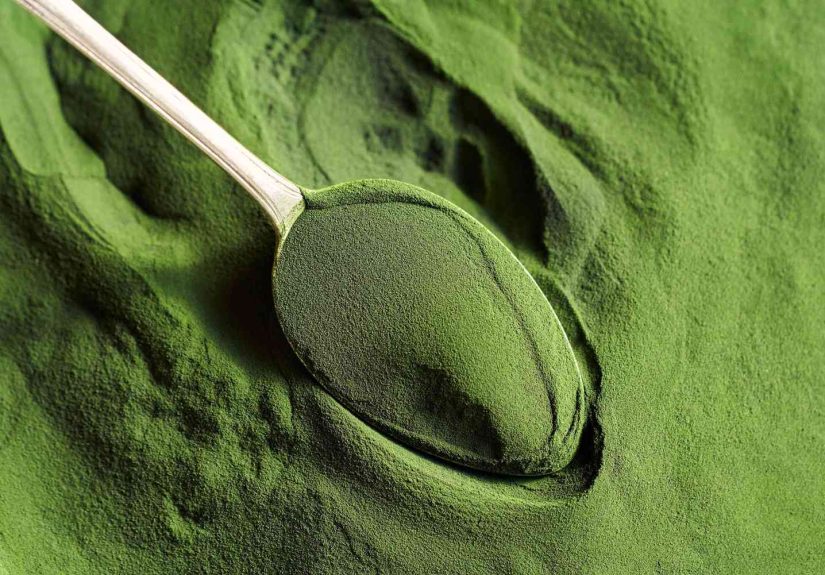
Microalgae: Tiny algae (or algae-like organisms) often sold as powders, tablets, or capsulesmost famously spirulina
(a blue-green algae/cyanobacterium) and chlorella (a green microalga).
Important distinction: “Algae” in the wild can include harmful blooms. The algae you want to eat is food-grade and processed for safety.
If your “source” is a mystery jar from the lake, please don’t.
Nutrition snapshot: why algae is more than a trendy garnish
Algae is low in calories but often high in “wow, that’s a lot of minerals.” Its nutrition varies wildly by species, growing conditions, and how it’s processed,
but there are a few recurring themes.
1) Iodine: the superstar (and sometimes the plot twist)
Seaweed is one of the most concentrated dietary sources of iodine, a mineral your body uses to make thyroid hormones.
That’s greatuntil it’s not. Iodine intake is a Goldilocks situation: too little is a problem, and too much can also be a problem.
Here’s the catch: iodine content in seaweed can be extremely variable. Some seaweeds (especially certain brown seaweeds like kombu/kelp)
can deliver very high amounts in small servings, while others (like many nori products) may be more moderate.
Translation: “a little seaweed” is not a reliable measurement if you’re trying to stay in a comfortable iodine range.
2) Minerals and vitamins: a salty little multivitamin vibe
Many edible seaweeds provide minerals such as iron, magnesium, calcium, and potassium, plus vitamins like folate
and sometimes vitamin K. Some varieties also contain plant compounds such as polyphenols and carotenoids
that act as antioxidants.
Two nutrition notes that matter in real life:
- Sodium varies a lot. Seaweed snacks can be salty, and seaweed seasonings can quietly jack up sodium in soups, rice bowls, and “just one more handful.”
- Serving sizes are small. A little seaweed can boost micronutrients, but it’s not usually the main protein source on your plate.
3) Fiber and unique polysaccharides (aka: your gut might throw a party)
Seaweeds contain fibers and complex carbohydrates that land plants don’t make in quite the same waythink alginates, fucoidans, and carrageenans (in whole-food context).
These can act like prebiotic-style fibers that feed beneficial gut microbes and may support digestion and satiety.
Human research is still evolving, but the “fiber + bioactive compounds” combo is one reason seaweed keeps showing up in nutrition conversations.
4) Microalgae: where the protein (and supplement hype) lives
Spirulina and chlorella are popular partly because they’re compact sources of nutrientsespecially proteinwhen dried into powders or tablets.
They also provide pigments (like phycocyanin in spirulina) and various micronutrients.
The key word is supplement. Microalgae products can be useful for some people, but quality control matters more than with a sheet of nori,
because contamination risks (from toxins or heavy metals) are a known issue in the supplement world.
Health benefits: what the evidence supports (and what’s still “promising but not proven”)
Edible algae sits in a sweet spot between “legit food” and “wellness trend.” Some benefits are straightforward nutrition.
Others are based on early clinical studies, lab findings, or population patterns that don’t always translate into guaranteed results.
Thyroid support (when iodine intake stays reasonable)
Because iodine is required for thyroid hormones, seaweed can help meet iodine needsespecially if your diet is low in seafood, dairy, and iodized salt.
However, too much iodine can contribute to thyroid dysfunction in susceptible people.
Practical takeaway: if you have a thyroid condition (or you’re pregnant/lactating), treat high-iodine seaweed and iodine-heavy kelp supplements like you would a spice:
powerful in tiny doses, not something you “free pour” like olive oil.
Heart health: fiber, minerals, and “may help” territory
Seaweed’s soluble fibers can bind with compounds in the digestive tract, which is one reason researchers study seaweed for cholesterol and cardiometabolic markers.
Some studies also examine microalgae (particularly spirulina) for effects on cholesterol, blood pressure, and inflammation.
The vibe of the evidence: encouraging, but not a prescription. If adding algae helps you swap chips for seaweed snacks twice a week
and makes your diet more plant-forward, your heart is probably pleased. If you’re expecting algae capsules to outwork your drive-thru habit… algae is not a miracle worker.
Gut and metabolic support: fiber does what fiber does
Seaweed can add fiber and unique polysaccharides, which may support digestion and satiety.
Some people find seaweed-based foods help them feel fuller, and some early research suggests possible benefits for blood sugar response.
But results depend on the whole meal and the person’s baseline diet.
Antioxidants and inflammation: colorful pigments, serious chemistry
Many seaweeds contain polyphenols and carotenoids; microalgae contain pigments like chlorophyll and phycocyanin.
These compounds have antioxidant properties in lab settings, and researchers are exploring what that means for humans.
It’s a “more research needed” zone, but it’s also a good reason to treat algae as a nutritious food rather than a gimmick.
Omega-3s: yes, but manage expectations
Some seaweeds contain omega-3 fats, and algae is famously the original source of DHA/EPA in the marine food chain.
That said, most seaweed snacks aren’t a huge omega-3 delivery system by serving size. If omega-3 intake is a priority,
algae-based DHA supplements (from controlled production) are often usedespecially by people who don’t eat fish.
Edible algae varieties you’ll actually see (and how to use them)
Nori (red seaweed, usually sold as sheets)
Mild, toasty, and the gateway algae for many Americans thanks to sushi. Use nori sheets for hand rolls,
crumble into rice bowls, or cut into strips for soups and salads. Nori snacks are convenientjust watch sodium if you’re grazing.
Wakame (brown seaweed)
Soft, slippery, and iconic in miso soup and seaweed salad. Wakame rehydrates quickly and works well in soups, cucumber salads, and cold noodle bowls.
Kombu / Kelp (brown seaweed)
Kombu is culinary power. It’s used to make broth (like dashi) because it contains natural glutamates that boost savory flavor.
It can also be dried into seasoning flakes or used in cooking beans to improve texture.
Kelp is also where iodine gets intense. If you’re eating kombu frequently or using kelp supplements, moderation matters.
Dulse (red seaweed)
Slightly briny and sometimes described as “ocean bacon” when crisped (which is a bold claim, but we’ll allow it).
Try it toasted over eggs, mixed into popcorn, or sprinkled on roasted vegetables.
Sea lettuce (green seaweed)
Delicate and bright. It works well in salads, as a garnish on seafood, or lightly toasted and crushed like a sea-salty herb.
Spirulina (microalgae supplement/powder)
Famous for its deep green-blue color. People add spirulina to smoothies, yogurt bowls, and energy bites.
Flavor note: it can taste “pond-adjacent,” so pair it with citrus, pineapple, cocoa, or peanut butter.
Chlorella (microalgae supplement/tablets)
Typically used in tablet form more than as a flavor ingredient, chlorella is marketed for a wide range of benefits.
Evidence varies by claim, and it can cause digestive upset in some peoplestart low if you try it.
Algae-derived ingredients: agar, alginates, carrageenan
These are functional fibers extracted from seaweeds and used for gelling, thickening, and stabilizing foods.
You’ll see agar in desserts and vegan “gelatin” recipes; alginates in some sauces and dairy-type products; carrageenan in some processed foods.
Whole-food seaweed and isolated extracts are not identical, so health effects shouldn’t be assumed to match one-to-one.
Safety: how to enjoy edible algae without the “oops”
Watch iodine if you have thyroid issues (and be extra cautious in pregnancy)
If you have hypothyroidism, hyperthyroidism, Hashimoto’s, Graves’, or you’re pregnant/lactating, talk with a clinician before making algae a daily habit
or taking kelp/iodine supplements. Excess iodine can trigger problems in susceptible people.
For many healthy adults, occasional seaweed is fine. The bigger risk tends to come from frequent high-iodine seaweed (especially certain kelps)
or from concentrated supplements where iodine can be extremely high.
Heavy metals and arsenic: skip hijiki, choose reputable brands
Seaweeds can accumulate heavy metals from their environment. One specific seaweedhijikiis well known for containing high levels of inorganic arsenic.
Many food safety agencies advise avoiding hijiki. If you’re shopping in the U.S., it’s reasonable to choose other seaweeds (nori, wakame, kombu in moderation, dulse)
and buy from reputable brands with transparent sourcing.
Microalgae supplements: prioritize quality control
Spirulina and other microalgae products can be contaminated with toxins such as microcystins when grown or harvested improperly.
This is one reason third-party testing matters. Look for brands that test for microcystins and heavy metals, and consider using products with recognized quality certifications.
Medication interactions and sensitive conditions
If you take blood thinners (like warfarin), have autoimmune conditions, or take prescription medications regularly, treat algae supplements like any supplement:
discuss with a clinician or pharmacist. Seaweeds and microalgae can contain bioactive compounds and nutrients that may complicate certain conditions or medications.
How to add edible algae to your diet (without making it weird)
- Start with food, not pills. Try nori snacks, wakame in soup, or a small seaweed salad once a week.
- Use kombu like a flavor tool. Make broth, then remove itthink “tea bag,” not “all-you-can-eat kelp buffet.”
- Blend microalgae thoughtfully. If spirulina tastes too “lakefront,” hide it with pineapple + citrus or cocoa + banana.
- Check labels for sodium. Seaweed snacks can be sneaky-salty.
- Buy from reputable sources. Especially for supplements and dried seaweed used frequently.
Sustainability bonus: seaweed can be a low-input crop
From a sustainability perspective, seaweed farming is often discussed as a low-input form of aquaculture because seaweeds don’t require freshwater, fertilizer,
or feed the way many land crops and animal systems do. Seaweed farms can also absorb nutrients from the water as they grow.
Sustainability depends on local practices and ecosystems, but it’s one reason seaweed is on the radar as a future-friendly food ingredient.
Bottom line
Edible algae can be a genuinely smart addition to a modern diet: nutrient-dense, flavorful, and surprisingly versatile.
Seaweeds bring minerals, fiber, and culinary magic; microalgae bring concentrated nutrients (with a bigger need for quality control).
The biggest “gotchas” are iodine extremes, hijiki arsenic concerns, and supplement contamination risks.
If you keep it food-first, vary your choices, and use high-iodine options with respect, algae can upgrade meals without turning them into a wellness circus.
(Unless you want the circus. In that case, I fully support your glittery spirulina smoothie era.)
Real-World Experiences: What It’s Like to Actually Eat Edible Algae
Most people don’t wake up one morning and announce, “Today, I become a seaweed person.” It’s usually more accidentallike trying sushi,
discovering roasted nori snacks at the grocery store, or ordering miso soup and realizing the slippery green ribbons are… kind of great.
Then suddenly you’re the person who keeps “seaweed flakes” next to the salt and pepper.
A common experience is the flavor upgrade. Kombu broth (even when you don’t know it’s kombu) tends to make soups taste deeper and more savory.
Home cooks often describe it as “restaurant flavor” without extra meat or extra salt. One simple move: simmer a strip of kombu in water,
remove it, and use that broth to cook rice or build a soup base. The result is subtle, not fishymore like turning the volume up on umami.
Then there’s the snack swap. People who keep seaweed snack packs around often say they reach for them when they want something crunchy and salty
but don’t want a heavy snack. The trade-off is sodium: it’s easy to eat multiple packs while working, so some folks learn to treat it like chipsportion it,
pair it with something filling (nuts, fruit, yogurt), and call it a win instead of an all-day habit.
With spirulina, the experience is… memorable. Fans love the color because it makes smoothies look like something served at a futuristic spa.
First-timers often report two immediate lessons: (1) a tiny amount goes a long way, and (2) it tastes better with strong flavors.
The most “successful” beginner combos tend to be pineapple-citrus (bright and tropical) or cocoa-banana (dessert camouflage).
People who enjoy spirulina long-term usually treat it as a small add-on, not the main event.
Chlorella experiences skew more practical than culinary. Many users choose tablets specifically to avoid taste.
Some report mild digestive changes at firstbloating or “my stomach is aware of this new decision”which often improves when they reduce the dose and increase gradually.
Others try it for general wellness goals and end up judging it the same way they judge any supplement: “Do I notice anything? Is it worth the routine?”
The most satisfied users typically pair supplements with clear habits (better sleep, consistent protein, more vegetables), so the supplement isn’t carrying the whole lifestyle.
There’s also a “learned respect” experience, especially around iodine. People with thyroid conditions or anyone who’s been told to watch iodine intake
often become label-readers fast. They might still enjoy nori or wakame occasionally, but they tend to avoid daily kelp-heavy products and skip iodine/kelp supplements unless medically advised.
The emotional tone is usually reliefrealizing they don’t have to fear seaweed, they just have to avoid extremes.
Finally, algae shows up in social life. Seaweed salad becomes the “I’m being healthy” side dish at sushi night.
Dulse flakes turn into a conversation starter at brunch (“Is that… seaweed on your eggs?”).
And once you’ve made a good kombu broth, you may find yourself evangelizing to friendspolitely, like a normal person,
not like someone trying to recruit them into an underwater kingdom. (Mostly.)