Table of Contents >> Show >> Hide
- What Is a Farmhouse Free-Standing Dish Towel Rack?
- Why This Small Upgrade Makes a Big Difference
- How to Choose the Right Dish Towel Rack
- Where to Put a Free-Standing Towel Rack
- How to Use It Like You’ve Had It Forever
- Cleaning and Maintenance: Keep the Rack as Fresh as the Towels
- Farmhouse Styling Ideas That Don’t Feel Overdone
- DIY: Build a Simple Farmhouse Free-Standing Dish Towel Rack
- Common Mistakes (So You Don’t Hate Your Rack)
- Conclusion: The Quiet Hero of a Farmhouse Kitchen
- Real-World Experiences: The Little Rack That Could (500+ Words)
In the grand hierarchy of kitchen upgrades, a farmhouse free-standing dish towel rack doesn’t exactly scream “life-changing.”
It doesn’t have Wi-Fi. It won’t julienne carrots. It won’t even pretend to be “smart.”
And yetthis humble little stand can quietly fix one of the most annoying daily kitchen problems: the perpetually damp, crumpled,
mysteriously funky dish towel that seems to live on your counter like it pays rent.
If you love farmhouse style, you already know the vibe: warm wood, honest materials, practical objects that look good doing their job.
A free-standing dish towel rack fits that brief perfectly. It’s functional, it’s flexible (no drilling), and it can make the area around your sink
feel more intentionallike you meant for it to look that tidy… even if you didn’t.
What Is a Farmhouse Free-Standing Dish Towel Rack?
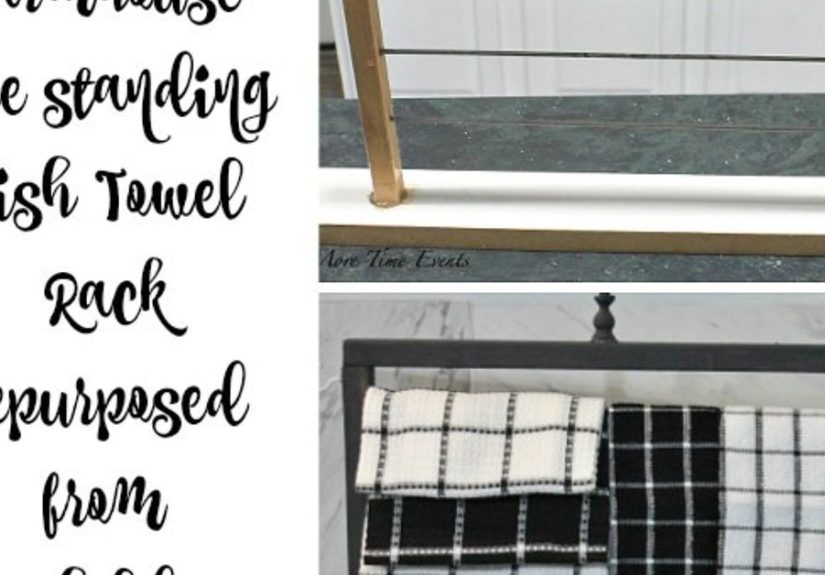
A free-standing dish towel rack is a countertop or floor stand designed to hang and dry kitchen towelsdish towels, hand towels,
bar mop towels, and sometimes even small cleaning cloths. “Farmhouse” usually refers to the look: natural wood, matte black metal,
brushed nickel, aged brass, turned legs, simple rails, and a sturdy, unfussy silhouette.
Unlike wall-mounted towel bars, a free-standing rack doesn’t require installation. You can place it near the sink, by the dishwasher,
on an island, or wherever your kitchen workflow makes sense. Think of it as a drying station that doubles as a decor piece
a tiny “mudroom bench” for your towels.
Why This Small Upgrade Makes a Big Difference
1) It Helps Towels Dry Faster (And Smell Less Like Regret)
The #1 reason towels get gross isn’t that they’re evilit’s that they stay wet too long. When towels are bunched on a counter,
draped over a faucet, or folded on a cabinet pull, airflow is limited. A towel rack separates fabric layers so air can circulate,
which speeds drying and helps reduce that sour “someone left the laundry in the washer for two days” aroma.
2) It Reduces Counter Clutter Without Being Bossy
Hooks and bars are great… if you want to commit to a spot forever. A free-standing dish towel rack is the opposite of commitment.
It’s the “we’ll see how it goes” of kitchen organization. Rearrange it seasonally, move it for parties, or shift it away from splash zones.
You get a tidier sink area without drilling holes or negotiating with your backsplash tile.
3) It Encourages Better Towel Habits
Many food-safety resources emphasize washing dish cloths/towels frequently and keeping cleaning cloths sanitary.
A dedicated rack makes it easier to separate towels by purpose (hands vs. dishes vs. wiping counters), rotate clean towels in,
and send used ones out to laundry before they become a science project.
How to Choose the Right Dish Towel Rack
Shopping for a towel rack sounds simpleuntil you realize there are options. One bar, two bars, three arms, ladder style,
weighted base, drip tray, wood, metal, mixed materials… and suddenly you’re comparing towel racks like you’re buying a car.
Here’s what actually matters.
Size and Capacity: Match the Rack to Your Real Life
Start by being honest about the number of towels you use daily. Many kitchens juggle at least two: one for hands, one for dishes.
Add a third if you cook a lot or wipe counters often. If you routinely handle big, thick cotton towels (or oversized flour-sack towels),
you’ll want longer bars and more space between them.
- Small kitchens: Look for a narrow footprint and vertical height. Two staggered bars can be plenty.
- Busy kitchens: Consider a 3-bar rack or a rack with multiple arms so towels don’t stack on top of each other.
- Entertaining households: A rack that holds both dish towels and cloth napkins can keep things orderly.
Material Choices: Pretty Is GoodPractical Is Better
The sink area is basically a humidity lounge, so your rack’s materials matter. Common choices include stainless steel,
powder-coated steel, wood, and mixed wood-and-metal designs.
-
Stainless steel: Classic, easy to wipe down, and fits modern-farmhouse kitchens well.
Just remember “stainless” is rust-resistant, not invinciblestanding water and harsh cleaners can still cause issues over time. -
Powder-coated metal: Often matte black (a farmhouse favorite) and tends to hide smudges well.
Look for a smooth, even coating without thin spots. -
Wood accents: Warm and charming, especially in a farmhouse kitchen. Make sure the wood is sealed or finished
so it doesn’t absorb water like a sponge auditioning for a role. - Mixed materials: Wood base + metal bars can be the sweet spot: cozy look, easy-clean surfaces where towels hang.
Stability: A Weighted Base Is Your Best Friend
In a kitchen, “cute but tips over” is not a personality trait you want. A good free-standing rack should feel planted.
Features that improve stability include a weighted base, a non-slip pad, or even suction cups
on some countertop designs. If you routinely grab towels one-handed while your other hand holds a dripping pan,
you’ll appreciate the extra steadiness.
Design Details That Actually Matter
The best designs make daily use easier without adding fussy parts you’ll hate cleaning later.
Keep an eye out for:
- Space between bars: More gap = better airflow and faster drying.
- Rounded bar edges: Towels slide on/off without snagging loops.
- Easy-clean surfaces: Fewer crevices around joints and decorative knobs.
- Optional drip management: A subtle tray or base lip can help contain drips if towels are very wet.
Where to Put a Free-Standing Towel Rack
Placement is half the magic. Put it where towels naturally end upthen the rack becomes effortless to use.
The goal is convenience without turning your counter into a towel showroom.
Best spots in most kitchens
- Next to the sink (but not directly in the splash zone): Close enough to grab, far enough to avoid constant soaking.
- Near the dishwasher: Perfect for that “one last thing” you don’t want to air-dry inside the machine.
- On a kitchen island: Great for households where the sink area is tight and the island is the real workhorse.
- In a pantry or utility nook: Useful if you keep cleaning cloths separate from dish towels.
Pro tip: if your rack sits near food prep, treat it like any other kitchen toolkeep it clean, and avoid storing towels that were used
for wiping up raw meat juices or other high-risk messes. Your kitchen can be cozy and sensible.
How to Use It Like You’ve Had It Forever
Create a Simple “Towel System” (No Spreadsheet Required)
The easiest way to keep kitchen towels fresher is to give each towel a job. Many households find this simple setup works well:
- Hand towel: For drying clean hands only.
- Dish towel: For drying clean dishes and glassware (or polishing).
- Cleaning cloth: For counters and spills (washed frequently and replaced often).
A multi-bar free-standing rack makes that separation visual. When the “counter cloth” has its own bar, it’s less likely to become
the towel you also use to dry a wine glass for company. (Your guests may never know, but your conscience will.)
Hang Towels for Airflow, Not Aesthetics Alone
Farmhouse style loves a casually draped towel. Practicality loves airflow. You can have both:
hang towels fully spread or folded lengthwise onceavoid thick, layered folds that trap moisture.
If a towel is soaking wet, give it a quick wring-out first, then hang it so the dampest part isn’t doubled over.
Cleaning and Maintenance: Keep the Rack as Fresh as the Towels
A towel rack lives in a high-splash, high-humidity zone, so it needs routine cleaning. The good news:
you don’t need special productsjust consistency.
Weekly quick-clean (5 minutes)
- Wipe bars and base with warm, soapy water.
- Rinse with a damp cloth to remove soap residue.
- Dry thoroughlyespecially around seams and joints.
Monthly deeper clean (or whenever it looks “questionable”)
If you notice buildup (water spots, grime, sticky residue), remove towels and clean more thoroughly.
Some racks or similar kitchen organizers can even be washed more aggressively if the material allows.
For metal, gentle cleaners and thorough drying are key. For wood, avoid soaking; use a damp cloth and dry immediately.
If you spot rust or discoloration
Even rust-resistant metals can develop spots over timeespecially if water sits on the surface.
A common approach for light rust on stainless steel is a baking soda paste applied briefly, then gently rubbed and rinsed,
always drying afterward. Avoid harsh abrasives that scratch, because scratches can make future rust more likely.
Farmhouse Styling Ideas That Don’t Feel Overdone
The easiest way to make a towel rack look “farmhouse” is to pair it with textiles and finishes that feel warm and lived-in.
You’re aiming for charming and functionalnot “set dressing for a butter commercial.”
Easy styling combos
- Matte black rack + neutral towels: A classic modern farmhouse look.
- Wood base + white/cream towels: Soft, cozy, and bright.
- Brushed metal rack + blue/green towels: A calm, fresh palette that still feels farmhouse-adjacent.
- Stripe or windowpane towels: Adds that relaxed “country kitchen” feel without getting busy.
If you have open shelving, a towel rack can help keep the countertop from looking cluttered while still showing off practical items.
It’s a small anchor that makes the sink area look intentional.
DIY: Build a Simple Farmhouse Free-Standing Dish Towel Rack
If you enjoy DIY projects (or just want a rack that matches your exact stain color), a basic farmhouse towel rack is approachable.
You can keep it minimal: a sturdy base, two vertical supports, and one or two horizontal dowels.
A beginner-friendly concept
- Base: A thick board for weight and stability.
- Uprights: Two supports (wood posts or simple cut boards).
- Bars: Smooth dowels or metal rods.
- Finish: Seal wood with a water-resistant finish; choose hardware that won’t rust easily.
The key is stability and sealant. Kitchens are humid. Unsealed wood can swell, stain, or warp.
A simple protective finish helps your DIY rack survive real lifelike when someone hangs a towel that’s basically a miniature waterfall.
Common Mistakes (So You Don’t Hate Your Rack)
- Overloading the bars: Towels stacked together don’t dry well. Airflow is the point.
- Parking it in the splash zone: Constant soaking defeats the purpose and encourages buildup.
- Using one towel for everything: Hands, dishes, counters, spillsthis is how towels get funky fast.
- Forgetting laundry rotation: Even a perfect rack can’t save a towel that’s overdue for washing.
- Ignoring the base: Water can pool under the stand; wipe and dry underneath occasionally.
Conclusion: The Quiet Hero of a Farmhouse Kitchen
A farmhouse free-standing dish towel rack is one of those rare items that’s both pretty and genuinely useful.
It helps towels dry faster, keeps your sink area less chaotic, and supports cleaner habits without feeling fussy.
Choose a stable design, pick materials that can handle moisture, and place it where your kitchen routine naturally happens.
Your towels will smell better, your counter will look calmer, and you’ll wonder why you didn’t do it sooner.
Real-World Experiences: The Little Rack That Could (500+ Words)
People tend to buy a free-standing dish towel rack for one of two reasons: either they’re chasing that cozy farmhouse look,
or they’re tired of playing “Where did the towel go?” every time they wash a dish. The funny part is that most households end up
keeping it for a third reason: the rack changes behavior without anyone having to announce a new rule.
One of the most common “first week” experiences is discovering how many towels you actually cycle through in a day.
A towel that used to get draped over the oven handle (and then forgotten) suddenly has a home. That makes it visibleand once it’s visible,
you notice when it’s damp, wrinkled, or starting to smell like it had a long night out. The rack becomes a gentle reminder:
“Hey friend, laundry exists.”
Another real-life win is the handoff momentthat chaotic minute when you’re juggling a wet pan, a slippery cutting board,
and the urge to keep your counters from turning into Lake Kitchen. A stable rack with a weighted base feels surprisingly helpful here.
Instead of hunting for a towel or re-folding one that slid off the faucet, you grab it in one motion.
It’s not dramatic, but it’s the kind of tiny efficiency that makes cooking feel less like an obstacle course.
In households with kids or frequent guests, the rack can also reduce confusion.
When there’s a clearly designated hand towel and a clearly designated dish towel, people are less likely to dry their hands
on the towel you were using to polish glasses. (No judgmentguests are wonderful, but they can be towel chaos agents.)
A multi-bar rack makes the “which towel is which” question easier to solve without anyone needing a tutorial.
There’s also the aesthetic side, which is very real in farmhouse kitchens.
A rack with wood and matte black metal can pull together other finishescabinet hardware, light fixtures, even the faucet
and make the sink area look styled instead of accidental. The best compliment is when someone says,
“Your kitchen feels so put together,” and you get to nod casually like you planned it… even if the rack arrived because your towels kept
sliding onto the floor.
Of course, not every experience is magical. People sometimes discover that a rack placed too close to the sink becomes a splash magnet.
Or that hanging a towel soaking wet can leave drips on the base. But those are usually easy fixes:
scoot it a few inches away from the faucet, wring towels out before hanging, and wipe the base during your weekly reset.
The rack isn’t high-maintenanceit just prefers not to be treated like a boat dock.
The lasting experience, though, is the “why didn’t I do this sooner?” effect.
A free-standing dish towel rack is the kind of purchase that doesn’t feel exciting until it quietly removes friction from your day.
It won’t transform your kitchen into a magazine spread overnight, but it can make your counters calmer, your towels fresher,
and your farmhouse style feel a little more lived-inin the best way.