Table of Contents >> Show >> Hide
- What Are Gallstones?
- Gallstone Symptoms: What Do Gallstones Feel Like?
- What Causes Gallstones?
- How Gallstones Are Diagnosed
- Gallstones Treatment Options
- Complications of Gallstones
- Can You Prevent Gallstones?
- Living With Gallstones: Practical Takeaways
- Experiences Related to Gallstones: What It Can Look Like in Real Life
- Conclusion
- SEO Tags
Gallstones sound oddly tiny for something that can make a grown adult clutch their side like they just lost an argument with a burrito. But these hardened bits of bile are no joke. They can sit quietly in the gallbladder for years without causing trouble, or they can suddenly block the normal flow of bile and trigger intense pain, nausea, and sometimes serious complications.
The tricky part is that gallstones are common, but the experience is not always dramatic at first. Some people never know they have them. Others get a sudden attack after a heavy meal and wonder why their upper abdomen feels like it is staging a protest. Understanding gallstone symptoms, gallstone causes, and gallstone treatment options can help you recognize what is happening and know when it is time to call a doctor instead of trying to tough it out with tea and optimism.
This guide breaks down what gallstones are, why they form, the symptoms that deserve attention, the treatment choices doctors use, and what real-life experiences with gallstones often feel like. The goal is simple: give you clear, practical information without making your digestive system sound like a haunted house.
What Are Gallstones?
Gallstones are hardened deposits that form in the gallbladder, a small organ tucked under the liver. The gallbladder stores bile, a digestive fluid that helps your body break down fats. When the ingredients in bile get out of balance, or when the gallbladder does not empty efficiently, that fluid can gradually form crystals and then stones.
Gallstones can be as small as a grain of sand or large enough to cause a serious blockage. Some people develop one stone. Others collect several, which feels unfair and overachieving in all the wrong ways.
Types of Gallstones
The two main types are:
- Cholesterol gallstones: These are the most common. They form when bile contains too much cholesterol or not enough substances to keep it dissolved.
- Pigment gallstones: These are darker stones that form when bile contains too much bilirubin, a substance produced when the body breaks down red blood cells.
Not every gallstone causes symptoms. In fact, many are considered “silent gallstones,” meaning they are found by accident during imaging for another issue and do not need treatment unless they start causing problems.
Gallstone Symptoms: What Do Gallstones Feel Like?
The most classic symptom is gallbladder pain, often called a gallstone attack or biliary colic. This pain usually appears in the upper right part of the abdomen, though some people feel it in the middle upper abdomen. It can also spread to the back or the right shoulder blade. Because apparently one painful location was not enough.
Common symptoms of gallstones include:
- Sudden pain in the upper right abdomen
- Pain in the center of the upper abdomen, just below the breastbone
- Pain that radiates to the back or right shoulder
- Nausea or vomiting
- Bloating or a feeling of fullness after eating
- Pain that starts after a heavy or fatty meal
Gallstone pain often builds quickly and may last from several minutes to a few hours. If the stone moves and the blockage clears, the pain may stop. If the blockage continues, more serious symptoms can show up.
Signs You Should Seek Medical Care Right Away
Some symptoms suggest a complication rather than a routine gallstone attack. These include:
- Abdominal pain lasting for hours
- Fever or chills
- Yellowing of the skin or eyes
- Dark urine
- Pale or clay-colored stools
- Severe vomiting
These warning signs can point to inflammation of the gallbladder, a blocked bile duct, infection, or even gallstone pancreatitis. At that point, this is no longer a “let’s see how I feel tomorrow” situation.
What Causes Gallstones?
Gallstones form when bile chemistry changes or bile sits in the gallbladder longer than it should. Doctors usually explain gallstones causes with a few key ideas:
- Too much cholesterol in bile: If bile contains more cholesterol than it can dissolve, crystals may form and grow into stones.
- Too much bilirubin: Certain liver problems or blood disorders can increase bilirubin and raise the risk of pigment stones.
- Poor gallbladder emptying: If the gallbladder does not empty completely or regularly, bile becomes more concentrated, which makes stones more likely.
In other words, gallstones are usually the result of chemistry, timing, and a gallbladder that is not exactly winning awards for efficient scheduling.
Gallstone Risk Factors
Several factors make gallstones more likely:
- Being female: Hormonal factors, especially estrogen, can increase risk.
- Pregnancy: Pregnancy changes bile composition and gallbladder movement.
- Age: Risk tends to rise as people get older.
- Obesity: Extra body weight is linked with higher cholesterol in bile.
- Rapid weight loss: Crash diets and very low-calorie plans can trigger gallstone formation.
- Family history: Genetics can play a meaningful role.
- Diabetes or metabolic problems: These conditions may increase risk.
- Prolonged fasting: When you go long stretches without eating, the gallbladder may not empty often enough.
- Certain ethnic backgrounds: Some populations have a higher risk than others.
- Blood disorders: Conditions that affect red blood cell breakdown can contribute to pigment stones.
One important point: gallstones are not always caused by a person eating “badly.” Diet matters, but it is not the whole story. Genetics, hormones, health conditions, and how fast you lose weight can all contribute.
How Gallstones Are Diagnosed
If a doctor suspects gallstones, they usually start with a medical history, a physical exam, and questions about the pattern of pain. Timing matters. Pain after meals, especially richer meals, often raises suspicion.
Doctors may also order blood tests to look for signs of infection, inflammation, liver problems, or pancreatitis. But the real star of the diagnostic show is usually imaging.
Tests Commonly Used
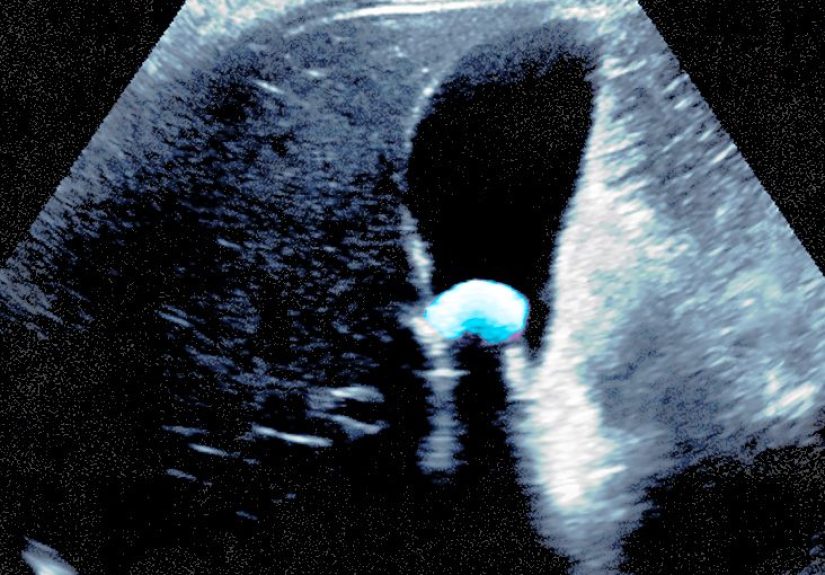
- Abdominal ultrasound: This is the most common and most useful first test for gallstones.
- CT scan: Sometimes used to look for complications or rule out other causes of pain.
- MRI or MRCP: Helpful when doctors suspect stones in the bile ducts.
- HIDA scan: Used to evaluate gallbladder function or possible blockage.
- ERCP: This is a specialized endoscopic procedure used more often to treat bile duct stones than to simply look for them.
Not every person with belly pain needs every test. The workup depends on symptoms, exam findings, and whether the doctor thinks the stone is still in the gallbladder or has moved into a bile duct.
Gallstones Treatment Options
Treatment for gallstones depends on one major question: Are the stones causing symptoms or complications?
1. Watchful Waiting for Silent Gallstones
If gallstones are found incidentally and you have no symptoms, treatment may not be necessary. Many silent gallstones stay silent. No drama, no surgery, no special intervention. Your doctor may simply tell you what symptoms to watch for in the future.
2. Pain Control During an Attack
If you are having an active gallstone attack, treatment may begin with pain relief, anti-nausea medication, fluids, and evaluation for complications. This addresses the immediate misery, but it does not prevent the next stone-related episode if the underlying problem remains.
3. Gallbladder Removal Surgery
The most common and most effective treatment for symptomatic gallstones is cholecystectomy, which means removing the gallbladder. For many patients, this is the definitive solution because gallstones tend to recur if the gallbladder stays in place.
Most surgeries are done as laparoscopic cholecystectomy, a minimally invasive procedure using small incisions and a camera. Recovery is generally faster than with open surgery, and many people go home the same day or shortly after.
Yes, you can live without a gallbladder. Bile will still flow from the liver into the small intestine. Some people notice temporary loose stools or digestive changes after surgery, but many return to normal routines fairly quickly.
4. ERCP for Stones in the Bile Duct
If a gallstone gets stuck in the common bile duct, doctors may use ERCP, a procedure that combines endoscopy and imaging. During ERCP, the doctor can often remove the stone and relieve the blockage without making a surgical incision in the abdomen.
This is especially important when there is jaundice, infection, or gallstone pancreatitis related to a bile duct obstruction.
5. Medications to Dissolve Gallstones
In selected cases, doctors may use oral medicines such as bile acids to dissolve small cholesterol stones. This approach is not common because it can take months or years, it does not work for every type of stone, and stones often return after treatment stops.
Think of it as the slow lane of gallstone treatment. Useful sometimes, but not the usual first choice for people with ongoing symptoms.
6. Shock Wave Treatment
Shock wave lithotripsy has been used in some cases to break stones into smaller pieces, but it is used only rarely for gallstones today. Surgery remains the standard solution for most symptomatic cases.
Complications of Gallstones
Untreated gallstones can lead to more than periodic pain. Possible complications include:
- Cholecystitis: Inflammation of the gallbladder
- Choledocholithiasis: A stone in the common bile duct
- Cholangitis: Infection in the bile duct system
- Gallstone pancreatitis: Inflammation of the pancreas caused by a stone-related blockage
These conditions can become serious quickly. That is why repeated attacks, fever, jaundice, or worsening pain deserve medical attention sooner rather than later.
Can You Prevent Gallstones?
You cannot control every risk factor, but you can lower your odds in some cases. Helpful habits include:
- Maintaining a healthy weight over time
- Avoiding very rapid weight loss
- Eating regular meals instead of prolonged fasting
- Choosing a balanced eating pattern with fiber-rich foods
- Managing conditions such as diabetes with your care team
The key is consistency. Your gallbladder tends to prefer stability over extremes. Dramatic dieting may look exciting on paper, but your bile may file a formal complaint.
Living With Gallstones: Practical Takeaways
If you have gallstones but no symptoms, you may not need immediate treatment. If you have repeated pain after meals, nausea, or attacks that seem to come and go, it is worth getting evaluated. And if you have jaundice, fever, or severe lasting pain, get medical care promptly.
Gallstones are one of those conditions that can be quiet for a long time and then become very loud all at once. The good news is that doctors have clear ways to diagnose them and highly effective treatments when they cause problems.
Experiences Related to Gallstones: What It Can Look Like in Real Life
The following experiences are illustrative composite scenarios based on common patterns patients describe. They are included to help readers understand how gallstones may feel in everyday life.
Experience 1: “I Thought It Was Just Indigestion”
A woman in her forties noticed a strange pattern: every time she had pizza night, fried food, or a large holiday meal, she got a squeezing pain under her right ribs. At first, she blamed stress, eating too fast, or “just getting older,” which is how many people casually explain away symptoms until their body files a stronger complaint. The pain would last about an hour, then disappear. Because it came and went, she kept postponing a doctor’s visit.
Eventually, one attack hit harder than the others. The pain spread to her back, she felt nauseated, and she could not get comfortable no matter how she sat. An ultrasound showed gallstones. For her, the biggest surprise was learning that the attacks had probably been happening for months and were not random indigestion at all. After laparoscopic gallbladder removal, she said the relief was less dramatic and more practical: no more fear every time dinner looked delicious.
Experience 2: “It Happened After I Lost Weight Fast”
A man in his fifties had been working hard to improve his health and lost weight quickly on a strict low-calorie plan. He felt proud, energized, and understandably focused on the number on the scale. Then he started having upper abdominal pain after meals. The episodes were sharp, short, and confusing because he was eating “healthier” than before. That made gallstones seem unlikely to him.
But rapid weight loss can increase the risk of gallstones, and his doctor explained that the body’s chemistry changes during fast dieting. Imaging confirmed stones. He was frustrated because he had been trying to do something good for his health and still ended up with a new problem. That reaction is common. Not every medical issue is a sign that you did something wrong. Sometimes it is about how the body responds to major change. Once he understood that, treatment felt less like punishment and more like a course correction.
Experience 3: “The Fever Is What Changed Everything”
Another patient had known about silent gallstones for years and had never needed treatment. Then one evening she developed the familiar upper right abdominal pain, but this time it did not fade. She became nauseated, felt chilled, and later developed a fever. By morning, her family noticed that the whites of her eyes looked yellow. That turned out to be the moment the situation moved from uncomfortable to urgent.
In the hospital, tests showed a blocked bile duct and signs of infection. She needed more than pain medication. Doctors performed ERCP to remove the obstructing stone and later scheduled gallbladder surgery. Her experience is a powerful reminder that gallstones are not always harmless just because they were quiet before. A change in symptoms matters. Fever, jaundice, and persistent pain are not subtle hints from the body; they are flashing signs that you should get help quickly.
Experience 4: “Recovery Was Easier Than I Expected”
Many people are more afraid of the treatment than the stones. One patient delayed surgery for months because the idea of losing an organ sounded dramatic, permanent, and frankly rude. But after repeated attacks disrupted work, sleep, and social plans, he decided to move forward with laparoscopic surgery. He expected a miserable recovery and a lifelong inability to enjoy normal meals.
What actually happened was much less theatrical. He was sore for a bit, moved slowly for a few days, and gradually resumed normal activities. He noticed some temporary digestive changes, especially with heavy meals, but they improved over time. What stuck with him most was not the inconvenience of recovery but the calm that followed it. He no longer had to analyze every twinge after dinner or wonder whether a meal out would end with pain. For many people, successful gallstone treatment feels less like a dramatic transformation and more like getting a noisy problem out of the way.
Conclusion
Gallstones can be silent, sneaky, or spectacularly rude. They form when bile hardens in the gallbladder, and while many never cause symptoms, others lead to pain, nausea, blocked ducts, infection, or pancreatitis. The most common warning sign is sudden upper abdominal pain, often after eating. Diagnosis usually starts with ultrasound, and the standard treatment for symptomatic gallstones is gallbladder removal surgery. In some situations, bile duct stones are treated with ERCP, while medication is reserved for select cases.
The bottom line is simple: if symptoms are mild and silent stones are found incidentally, you may only need monitoring. But if pain is recurring, or if fever, jaundice, and prolonged abdominal pain enter the picture, medical care should move to the top of your to-do list. Your gallbladder is small, but it can create a surprisingly large amount of drama when it decides to misbehave.