Table of Contents >> Show >> Hide
- What Are Handwoven Palm Placemats, Exactly?
- Why People Love Palm-Fiber Placemats
- Materials You’ll See Under the “Palm Placemat” Umbrella
- Shapes, Sizes, and How to Choose the Right One
- How to Style Handwoven Palm Placemats (Without Overthinking It)
- Performance and Real-Life Use: What to Expect
- How to Clean and Care for Handwoven Palm Placemats
- What to Look for When Buying Handwoven Palm Placemats
- Sustainability and the Human Side of Handwoven
- Conclusion: The Easiest Upgrade Your Table Will Ever Get
- of Real-World Experiences with Handwoven Palm Placemats
If your dining table could talk, it would probably ask for two things: a little protection and a lot more personality.
Enter handwoven palm placematsthe not-so-secret weapon of tables that look “effortless” (even when the cook is absolutely not).
They add warm texture, a relaxed coastal vibe, and that satisfying “someone actually thought about this” frame around every plate.
Plus, they help your table survive hot plates, rogue sauce splashes, and the occasional enthusiastic fork drop.
In this guide, we’ll break down what handwoven palm placemats are, why they’re having a major moment in modern tablescapes,
how to choose the right weave and shape, and how to keep natural fibers looking fresh without accidentally turning them into a science experiment.
You’ll also get styling ideas (from weeknight tacos to holiday hosting) and practical care tips so your placemats stay beautiful for years.
What Are Handwoven Palm Placemats, Exactly?
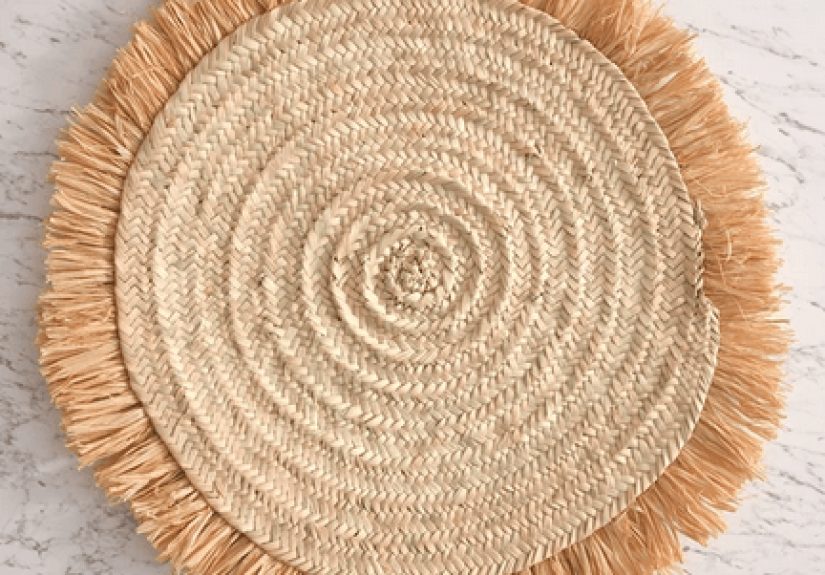
Handwoven palm placemats are table mats crafted by weaving fibers derived from palm plantsoften marketed as raffia,
palm fiber, or palm-leaf-based materials. The appeal is simple: palm-based fibers are lightweight but tough,
naturally textured, and easy to blend with everything from minimalist stoneware to colorful patterned plates.
Because they’re woven by hand, each piece typically has subtle variations (the good kind) that give your table an artisanal feel.
In the U.S. market, you’ll also see related natural-fiber placemats grouped togetherrattan, jute, seagrass, abaca, and similar weaves.
Even when the exact fiber varies by product, the styling and care principles overlap: natural fibers look incredible,
but they prefer gentle cleaning and a dry, well-ventilated life (don’t we all?).
Why People Love Palm-Fiber Placemats
1) Texture that instantly elevates the table
One reason woven placemats are so popular is how they add depth without trying too hard.
Home and lifestyle editors often recommend woven textures to make a table feel more layered and intentionalespecially when paired with ceramics,
linens, and natural materials. If your table setting feels “flat,” a palm placemat is basically a 2D-to-3D upgrade.
2) They’re practical, not just pretty
Placemats create a buffer between your dinnerware and your tabletophelping prevent heat marks, scratches, and stains.
Many woven styles also have a slightly grippy surface that keeps plates from sliding like they’re auditioning for an ice show.
3) Natural style that plays well with trends
Woven materials fit right into popular aestheticscoastal, boho, rustic modern, “cottage,” and even clean Scandinavian looks.
Because palm fibers are typically neutral (think sand, honey, straw, or soft natural browns), they mix easily with seasonal décor
without demanding a whole new dinnerware identity crisis.
4) Handmade character (a.k.a. the “no two are identical” charm)
If you’ve ever bought something handmade and then stared at it lovingly like it’s a tiny work of artsame vibe.
Many palm and raffia placemats are intentionally sold with the understanding that small variations are part of the point.
That handcrafted quality can make even simple meals feel a little more special.
Materials You’ll See Under the “Palm Placemat” Umbrella
The phrase “palm placemat” gets used broadly in product listings. Here are the most common palm-adjacent materials you’ll run into,
and what they typically feel like on a dining table.
Raffia (palm-derived fiber)
Raffia is often described as a pliable, natural fiber sourced from palm leaves and used in woven or crocheted home goods.
In placemats, raffia tends to look airy and artisanalsometimes tightly braided, sometimes crochet-like, sometimes fringed for extra personality.
It’s especially popular for casual entertaining and summer tablescapes.
Rattan and other woven natural fibers (common look-alikes)
Rattan placemats are frequently grouped with palm-fiber styles because the look is similar: warm, woven, and coastal-friendly.
Many well-known U.S. retailers carry handwoven rattan placemats and describe traditional patterns and artisan weaving origins.
If you love the palm aesthetic but want something sturdier, rattan can be a strong option.
Seagrass, jute, and other natural weaves
Seagrass and jute are common in woven placemats and share the same design language: organic texture, neutral color palette,
and a slightly rustic edge that works beautifully with both modern and farmhouse styles.
They’re also frequently recommended as durable materials that can be cleaned with simple spot care rather than machine washing.
Shapes, Sizes, and How to Choose the Right One
Common placemat sizes
Many placemats land around the “dinner plate plus breathing room” range (often in the neighborhood of 12×18 inches for rectangles),
while round placemats commonly sit around 13–15 inches in diameter. The best size depends on your plates, your table, and how much you like
a framed look versus a barely-there accent.
Round vs. rectangular
- Round feels soft, relaxed, and great for mixing with round plates and curved décor elements.
- Rectangular feels classic and structuredespecially helpful when you want your place settings to look neatly aligned.
Edge details: binding, stitching, and fringe
Edges matter more than people think. A reinforced edge (stitched, wrapped, or bound) can help the placemat keep its shape and resist fraying.
Fringe looks fun and beachy, but it can snagso if your house includes pets, toddlers, or a robot vacuum with a grudge, choose wisely.
How to Style Handwoven Palm Placemats (Without Overthinking It)
Everyday “nice but not trying too hard”
Start with neutral palm placemats, add white or cream plates, then bring in color through napkins or a simple bowl of fruit.
The woven texture does most of the visual work, so you don’t need twelve decorative objects and a centerpiece that blocks eye contact.
Coastal and breezy
Lean into light blues, soft greens, striped linens, and glassware. Woven placemats pair naturally with coastal themes,
and seagrass-style looks can give a subtle beach-house vibe without requiring you to install a lighthouse in your dining room.
Boho and eclectic
Mix patterns: a warm palm placemat under a colorful plate, then add textured napkins or mismatched glassware.
The placemat becomes a grounding “neutral” that keeps the whole look from tipping into craft-store-chaos (unless that’s your brandno judgment).
Holiday hosting that still feels warm
Natural fiber placemats look especially good with seasonal greens, candles, and deep-toned napkins.
If you’re hosting, woven placemats can help the table feel layered and invitinglike an event, not just “we ate near each other.”
Performance and Real-Life Use: What to Expect
Heat resistance
Woven placemats can handle warm plates and bowls well, but they’re not a substitute for a trivet under a screaming-hot skillet.
Think of them as everyday protection, not a force field.
Crumbs love a weave (and that’s okay)
Natural fibers have texture, and texture means little nooks. Crumbs will occasionally move in.
The good news: shaking them out or brushing them off is usually quick. The bad news: they will always choose to appear
when guests arrive, like they were waiting backstage for their big moment.
Moisture is the enemy
Palm and natural fibers don’t love being soaked. Prolonged moisture can lead to warping, weakening, or mildew.
The goal is quick cleanup, gentle wiping, and thorough drying.
How to Clean and Care for Handwoven Palm Placemats
Most palm-fiber and woven placemats are easiest to maintain with simple habits: remove debris, spot clean gently, dry well,
and store in a breathable place. Here’s a practical routine you can actually stick to.
Step 1: Daily or after-meal cleanup
- Shake or tap out crumbs outside or over the trash.
- Brush lightly with a soft brush if crumbs are stuck in the weave.
- Wipe gently with a barely damp cloth for small spotsavoid oversaturating.
Step 2: Spot clean stains (without wrecking the fibers)
For food spots, use a small amount of mild soap on a damp cloth. Blot and liftdon’t scrub like you’re trying to erase your browser history.
Many care guides for woven and natural materials recommend gentle wiping techniques and avoiding harsh chemicals.
If you do use a bit of soap, wipe again with a clean damp cloth to remove residue, then let the placemat air-dry.
Step 3: Dry properly
Always dry flat in a well-ventilated area. Avoid leaving damp placemats stacked, and don’t park them in intense direct sunlight for long periods,
which can fade natural fibers. Airflow is your best friend here.
Step 4: Prevent warping and mold during storage
- Store in a dry placenot under the sink, not in the basement corner that smells “historical.”
- Don’t seal them in plastic if they’re even slightly damp.
- Keep them flat when possible, or use gentle hangers designed not to crease.
A quick note on “washing” woven placemats
Some brands and experts mention wiping or light rinsing for certain woven products, while others recommend only damp-cloth cleaning.
The safe universal rule for palm and similar natural fibers: avoid soaking, avoid harsh cleaners, and dry thoroughly.
When in doubt, follow the specific care instructions from the brand you purchased.
What to Look for When Buying Handwoven Palm Placemats
Weave tightness and feel
A tighter weave tends to trap fewer crumbs and feels more structured under plates. A looser weave can look more artisanal and relaxed,
but it may snag more easily. If you host often (or have kids), slightly sturdier is usually less stressful.
Edge finishing
A well-finished edge can make the difference between “this will last” and “this will become a craft project in six weeks.”
Look for wrapped edges, stitched borders, or an intentional braided finish.
Coatings and finishes
Some placemats include a food-safe protective finish that makes them easier to wipe clean.
If you want palm placemats for daily use, a light protective finish can be helpfulespecially for homes that frequently serve
tomato sauce, curry, or anything that would like to leave a souvenir.
Color and variation
Many retailers note that natural fiber color can vary slightly from piece to piece. This is normal and part of the handcrafted appeal.
If you want a perfectly uniform look, choose a more processed or dyed fiberor embrace the variation and call it “organic charm.”
Sustainability and the Human Side of Handwoven
Natural-fiber placemats are often considered a more eco-conscious décor choice because they’re made from renewable plant materials
and can be long-lasting with proper care. Beyond materials, “handwoven” also points to craftsmanshipskills passed down through communities,
often using traditional patterns and techniques.
If sustainability matters to you, look for transparent product descriptions: where the placemats are made, what the fibers are,
and whether the brand supports fair labor practices. While product pages won’t tell the whole story, details about origin and technique
can be a good clue that the item isn’t just “handmade” in the vague, marketing-only sense.
Conclusion: The Easiest Upgrade Your Table Will Ever Get
Handwoven palm placemats are the rare home item that checks both boxes: they’re genuinely functional, and they make your space look better.
They add texture, warmth, and a relaxed sense of stylewhether you’re hosting a backyard dinner party or just trying to make Tuesday feel less Tuesday.
Treat them kindly (no soaking, no harsh cleaners, plenty of drying), and they’ll return the favor by making every meal look a little more intentional.
of Real-World Experiences with Handwoven Palm Placemats
The first thing most people notice when they start using handwoven palm placemats is that the table suddenly feels “set,” even when it’s not.
You can put down a woven placemat, add a plate, and the whole place setting looks like it has a plan. It’s the décor version of changing out of sweatpants:
nothing else about your life may be together, but the vibe says, “I tried.” That’s why palm and raffia placemats become a go-to for weeknights.
They make a simple bowl of pasta feel like a small eventwithout adding any real work.
Then comes the second experience: crumbs. Not a crisisjust a reality. Woven placemats have texture, and texture has tiny hiding spots.
People often develop a quick routine: lift, tap, done. You’ll also find that a soft brush (even a clean, dry dish brush) becomes oddly satisfying.
It’s the kind of small ritual that makes cleanup feel less like a chore and more like resetting the table for the next meal.
And if you host, you’ll appreciate how fast it is compared to washing fabric placemats after every gathering.
Another common “aha” moment: palm placemats are surprisingly good at making mixed dinnerware look coordinated.
Maybe you have plates from three different phases of your lifeminimalist phase, colorful phase, and “I found this at a discount store” phase.
A neutral woven placemat acts like a background that ties everything together. It’s especially helpful during the holidays,
when the table tends to collect extra items (serving bowls, candles, that one centerpiece you swear won’t block anyone’s viewuntil it does).
The placemats keep the foundation calm so the rest can be festive.
People also learn pretty quickly that moisture management is the secret to keeping natural fibers looking great.
A spill happens, you blot, you wipe gently, and you dry. The good habit is not leaving placemats stacked while damp,
because that’s how you get warping or a musty smell that absolutely no one invited to dinner.
Once you’ve had palm placemats for a while, you start treating them like a favorite straw hat:
durable enough for regular use, but happiest when cared for with a little respect.
Finally, there’s the “guest effect.” Woven placemats tend to get noticed. Not in a loud waymore like a quiet compliment:
“Your table looks so nice.” And you get to smile and pretend you spent an hour styling it, when really you just put down placemats and served tacos.
That’s the magic of handwoven palm placemats: they do a lot of aesthetic heavy lifting, so you don’t have to.