Table of Contents >> Show >> Hide
- Why Red Potatoes Are Great for Boiling
- Ingredients and Tools You Will Need
- How to Boil Red Potatoes: 11 Steps
- 1. Choose firm, smooth red potatoes
- 2. Decide whether to boil them whole or cut
- 3. Scrub the potatoes under running water
- 4. Leave the skins on for better texture and flavor
- 5. Put the potatoes in a pot and cover with cold water
- 6. Salt the water generously
- 7. Bring the water to a boil, then reduce to a simmer
- 8. Boil until fork-tender
- 9. Drain immediately
- 10. Season while warm
- 11. Serve, store, or use in another recipe
- How Long to Boil Red Potatoes
- Should You Peel Red Potatoes Before Boiling?
- Best Ways to Serve Boiled Red Potatoes
- Common Mistakes to Avoid
- Food Safety and Storage Tips
- Experience Notes: What Actually Helps When Boiling Red Potatoes
- Conclusion
Boiling red potatoes sounds easybecause it isbut there is a difference between “technically cooked” and “tender, buttery, perfectly seasoned little potato jewels.” Red potatoes are naturally waxy, thin-skinned, and pleasantly creamy, which makes them one of the best potatoes for boiling. They hold their shape better than starchy russets, so they are ideal for potato salad, simple side dishes, smashed potatoes, breakfast hash, soups, and weeknight dinners where you need a reliable carb that does not demand emotional support.
This guide explains exactly how to boil red potatoes in 11 easy steps, including how long to boil red potatoes, whether to peel them, how much salt to add, how to check for doneness, and what to do after draining them. Whether you are cooking baby red potatoes, quartered red potatoes, or whole medium potatoes, the goal is the same: soft centers, intact skins, and flavor that starts before the butter even enters the room.
Why Red Potatoes Are Great for Boiling
Red potatoes are considered a waxy potato, meaning they contain less starch and more moisture than floury varieties such as russets. That waxy texture helps them stay firm when simmered, which is why red potatoes are a favorite for potato salad and simple boiled potato side dishes. Their thin red skin is edible, colorful, and useful because it helps protect the flesh during cooking.
Another bonus: red potatoes do not need much fuss. You can boil them whole, halved, quartered, or cubed. You can serve them with melted butter and herbs, toss them with olive oil and garlic, chill them for salad, or smash them and roast them until crisp. Basically, red potatoes are the polite dinner guest of the vegetable world: dependable, adaptable, and unlikely to cause drama unless you forget them on the stove.
Ingredients and Tools You Will Need
Ingredients
- 1 1/2 to 2 pounds red potatoes
- Cold water, enough to cover the potatoes by about 1 inch
- 1 to 2 tablespoons kosher salt, depending on the amount of water
- Optional: butter, olive oil, chopped parsley, dill, chives, garlic, black pepper, lemon juice, or vinegar
Tools
- Large pot or saucepan
- Vegetable brush
- Knife and cutting board
- Colander
- Fork, paring knife, or cake tester for checking doneness
- Large bowl for seasoning or cooling
How to Boil Red Potatoes: 11 Steps
1. Choose firm, smooth red potatoes
Start with good potatoes and you are already halfway to a good dish. Choose red potatoes that feel firm and heavy for their size. The skin should look smooth, not wrinkled, shriveled, deeply bruised, or soft. Avoid potatoes with large green areas, excessive sprouting, or a bitter smell. A tiny sprout can usually be trimmed away, but a potato that looks like it is trying to start a small forest belongs in the compost, not your dinner.
2. Decide whether to boil them whole or cut
Small baby red potatoes can be boiled whole. Medium red potatoes cook more evenly when halved or quartered. Large red potatoes should usually be cut into 1 1/2- to 2-inch chunks. The key is consistency: pieces of similar size cook at the same speed. If one potato chunk is the size of a marble and another is the size of a golf ball, one will be mushy while the other is still doing crunches.
For potato salad, quartered or large chunks work well because they cook faster and still hold their shape. For a rustic side dish, whole baby red potatoes look beautiful and feel more special. For mashed red potatoes, cut them smaller so they soften quickly and mash easily.
3. Scrub the potatoes under running water
Because potatoes grow underground, they need a good rinse before cooking. Hold the potatoes under cool running water and scrub the skins with a vegetable brush or clean fingers. Do not wash potatoes days before you use them because extra moisture can encourage spoilage during storage. Wash them right before cooking, when they are ready for their big hot-tub moment.
4. Leave the skins on for better texture and flavor
In most cases, you do not need to peel red potatoes before boiling. Their skins are thin, tender, and full of earthy flavor. The skin also helps the potatoes hold together while they simmer. If you prefer a smoother mashed potato or are cooking for someone who dislikes skins, you can peel them, but for classic boiled red potatoes, leaving the skins on is the better move.
5. Put the potatoes in a pot and cover with cold water
Place the cleaned potatoes or potato pieces in a large pot. Add enough cold water to cover them by about 1 inch. Starting potatoes in cold water is important because it allows the inside and outside to heat gradually and cook evenly. If you drop potatoes into already-boiling water, the outside can soften before the center has caught up, leaving you with potatoes that are somehow both mushy and underdone. A kitchen miracle, but not the good kind.
6. Salt the water generously
Add salt to the water before cooking. A good starting point is 1 tablespoon of kosher salt for a medium pot of potatoes, or enough that the water tastes pleasantly seasoned. Salted water flavors the potatoes from the inside as they cook. If you wait until the end, the seasoning mostly sits on the surface. Think of salted boiling water as the potato’s first layer of personality.
If you are planning to serve the potatoes with salty ingredients such as bacon, Parmesan, ranch seasoning, or heavily salted butter, use a lighter hand. If you are making potato salad, seasoning the water is especially useful because chilled potatoes often taste flatter than hot potatoes.
7. Bring the water to a boil, then reduce to a simmer
Set the pot over medium-high heat and bring the water to a boil. Once it reaches a boil, reduce the heat so the water maintains a gentle simmer. A hard, aggressive boil can knock the potatoes around and make the skins split too much. A gentle simmer cooks them evenly while keeping their shape intact.
You do not need to stir constantly. In fact, over-stirring can break the potatoes apart, especially after they begin to soften. Let them cook calmly. Potatoes appreciate a peaceful environment. We all do.
8. Boil until fork-tender
Cooking time depends on size. Small whole baby red potatoes usually take about 15 to 20 minutes after the water reaches a boil. Halved or quartered red potatoes often take 10 to 15 minutes. Larger whole red potatoes may need 20 to 25 minutes or slightly longer. The best test is not the clock but the texture.
To check doneness, pierce a potato with a fork, thin knife, or cake tester. It should slide in with little resistance. For potato salad, stop when the potatoes are tender but still firm enough to hold their shape. For mashed potatoes, cook until they are very tender and easy to crush. If the skins begin to split slightly, that is usually a sign they are close or fully done.
9. Drain immediately
Once the potatoes are tender, pour them into a colander and drain well. Do not let them sit in hot water after they are done, because they will continue cooking and may become waterlogged. After draining, let them steam for a minute or two. This helps excess moisture evaporate and gives the potatoes a better texture for seasoning, mashing, or cooling.
10. Season while warm
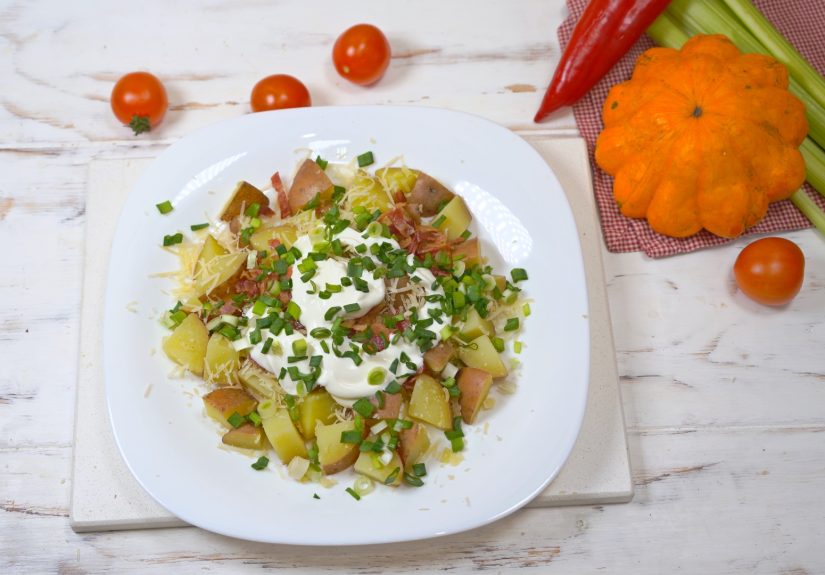
Warm potatoes absorb flavor beautifully. For a simple side dish, toss drained red potatoes with butter or olive oil, salt, black pepper, and fresh herbs such as parsley, dill, or chives. Add minced garlic for a bolder flavor, or a squeeze of lemon juice for brightness. If you are making potato salad, splash the warm potatoes with a little vinegar before adding dressing. The vinegar soaks in and gives the final salad more depth.
Here are a few easy seasoning combinations:
- Classic butter herb: melted butter, parsley, chives, salt, and pepper
- Garlic olive oil: olive oil, garlic, lemon zest, black pepper, and sea salt
- Dill potato salad base: vinegar, dill, mustard, celery, and a creamy dressing
- Spicy side dish: butter, smoked paprika, cayenne, garlic powder, and scallions
- Picnic style: olive oil, apple cider vinegar, red onion, parsley, and cracked pepper
11. Serve, store, or use in another recipe
Serve boiled red potatoes hot as a side dish, warm as part of a dinner bowl, or chilled in potato salad. If you are storing leftovers, cool them and refrigerate them in an airtight container within two hours of cooking. Properly stored cooked potatoes are best used within three to four days. Do not leave cooked potatoes sitting at room temperature for long periods, especially in warm weather, because cooked potatoes contain moisture and can become unsafe if handled carelessly.
How Long to Boil Red Potatoes
The most common question is simple: how long do red potatoes take to boil? The answer depends on size, cut, and final use.
| Potato Size | Approximate Boiling Time | Best Use |
|---|---|---|
| Small whole baby red potatoes | 15 to 20 minutes | Side dishes, smashed potatoes, salads |
| Halved red potatoes | 12 to 18 minutes | Potato salad, buttered potatoes |
| Quartered red potatoes | 10 to 15 minutes | Quick sides, soups, mashing |
| Large whole red potatoes | 20 to 25+ minutes | Peeling after boiling, slicing, meal prep |
Use these times as a guide, not a law. A potato does not care what your timer says. The fork test is always the final judge.
Should You Peel Red Potatoes Before Boiling?
Usually, no. Red potato skins are thin and tender, so peeling is optional. Leaving the skins on helps the potatoes stay intact and adds color to the plate. This is especially helpful for boiled baby red potatoes and potato salad. Peeling may be better if you want very smooth mashed potatoes or if the skins are damaged, tough, or unpleasant.
If you want peeled potatoes without using a peeler, you can score the skin lightly around the middle before boiling. After cooking and cooling slightly, the skins may slip off more easily. That trick is helpful for larger batches, though for small red potatoes, leaving the skins on is usually faster and tastier.
Best Ways to Serve Boiled Red Potatoes
Buttered red potatoes
Toss hot boiled red potatoes with melted butter, parsley, salt, and black pepper. This is the classic version, and it works with chicken, steak, fish, pork chops, or roasted vegetables.
Garlic herb red potatoes
Warm olive oil or butter with minced garlic, then toss with drained potatoes and fresh herbs. Add a squeeze of lemon juice to keep the flavor lively.
Red potato salad
Cool the boiled potatoes slightly, cut them into bite-size pieces, and mix with celery, onion, mustard, mayonnaise, vinegar, herbs, and seasonings. Red potatoes are excellent for potato salad because they stay firm instead of collapsing into mashed-potato confetti.
Smashed red potatoes
Boil small red potatoes until tender, drain, then gently smash them on a baking sheet. Brush with oil or butter, season well, and roast until crisp. This turns humble boiled potatoes into crunchy-edged magic.
Breakfast potatoes
Chill leftover boiled red potatoes, then slice and pan-fry them with onions, peppers, and eggs. Cold cooked potatoes brown nicely because some surface moisture has dried out.
Common Mistakes to Avoid
Starting with boiling water
Potatoes cook more evenly when they start in cold water. Boiling water can overcook the outside before the center softens.
Skipping the salt
Unsalted boiling water produces bland potatoes. You can add salt later, but the flavor will not be as balanced.
Using pieces of different sizes
Uneven cuts lead to uneven cooking. Keep pieces similar so everything finishes at the same time.
Boiling too aggressively
A rolling boil can break potatoes apart. Reduce the heat to a steady simmer once the water boils.
Overcooking
Overcooked red potatoes can become mushy, split, and waterlogged. Check them early and often near the end of cooking.
Forgetting to drain well
Potatoes left in hot water continue cooking. Drain them as soon as they are tender, then let them steam dry briefly.
Food Safety and Storage Tips
Store raw red potatoes in a cool, dark, dry, well-ventilated place. Do not wash them before storage because moisture can shorten their shelf life. Keep them away from direct light, which can encourage greening. If a potato has green skin, a very bitter taste, or extensive sprouting, it is safer to discard it.
Cooked red potatoes should be cooled and refrigerated within two hours. Store them in a covered container and use them within a few days. If the potatoes smell sour, feel slimy, or look questionable, do not taste-test them like a brave detective. Throw them away.
Experience Notes: What Actually Helps When Boiling Red Potatoes
After boiling red potatoes many different ways, the biggest lesson is that small details matter more than fancy ingredients. The first detail is size. When all the potatoes are similar in size, the cooking process feels almost effortless. When they are mixed sizes, you spend the last five minutes poking every potato in the pot like you are conducting a tiny vegetable orchestra. If you buy a bag of baby red potatoes, sort them before cooking. Leave the small ones whole and cut the larger ones in half. That one habit prevents most texture problems.
The second useful lesson is that salt belongs in the water, not just on the finished potatoes. Warm, freshly drained potatoes tossed with butter are delicious, but if the inside is bland, the dish still tastes unfinished. Salted cooking water gives the potatoes a gentle, even flavor from the beginning. You do not need to make the water unbearably salty; it should taste seasoned, not like a mouthful of ocean during a bad vacation.
Another experience-based tip is to let the drained potatoes steam dry. This step looks boring, but it improves almost everything. When potatoes are too wet, butter slides off, herbs clump, and creamy dressings become thin. Letting them sit in the colander for one or two minutes gives the surface a chance to dry. Then seasonings cling better, and the potatoes taste richer.
For potato salad, the best trick is to season the potatoes while they are still warm. A splash of vinegar, a pinch of salt, and a little pepper can transform the final dish. Warm potatoes absorb tangy flavors more easily than cold ones. Once they cool, add mayonnaise, mustard, celery, onion, herbs, or whatever your family insists is “the correct way.” Every household has a potato salad constitution, and someone is always prepared to defend it.
For weeknight dinners, boiled red potatoes are excellent because they can become several meals. On the first night, serve them hot with butter and parsley. The next morning, slice the leftovers and fry them with eggs. Later, toss cold pieces into a salad or warm them in a skillet with garlic and olive oil. A single pot of boiled red potatoes can quietly support multiple meals, which is exactly the kind of kitchen efficiency that makes you feel like you have your life together, even if the laundry says otherwise.
One final lesson: do not chase perfection too hard. A few split skins are fine. Slightly different shapes are fine. A rustic bowl of boiled red potatoes with butter, herbs, and black pepper is supposed to feel homey. The best version is tender, well-seasoned, and served while people are hungry enough to appreciate it. Potatoes are humble food, but when cooked carefully, they have a way of stealing attention from the main dish.
Conclusion
Learning how to boil red potatoes is one of those basic kitchen skills that pays off again and again. Start with firm potatoes, scrub them well, cut them evenly if needed, cover them with cold salted water, simmer gently, and drain them as soon as they are fork-tender. From there, you can keep things simple with butter and herbs or turn them into potato salad, smashed potatoes, breakfast hash, or a cozy side dish for almost any meal.
The secret is not complicated. Red potatoes already bring creamy texture, thin skins, and reliable structure to the pot. Your job is to cook them evenly, season them early, and avoid bullying them with a violent boil. Do that, and you will have tender boiled red potatoes that taste like comfort food without requiring a culinary degree, a stopwatch obsession, or a motivational speech from a celebrity chef.