Table of Contents >> Show >> Hide
- What Is Rubbing Alcohol, Exactly?
- Why You Should Not Dispose of Rubbing Alcohol Carelessly
- The Safest Rule of Thumb
- How to Dispose of Rubbing Alcohol Safely
- Can You Pour Rubbing Alcohol Down the Drain?
- What to Do With a Nearly Empty Bottle
- How to Dispose of an Empty Rubbing Alcohol Bottle
- How to Pack and Transport Rubbing Alcohol for Disposal
- What If the Bottle Is Leaking or Damaged?
- What Not to Do
- What About Expired Rubbing Alcohol?
- Special Note for Businesses, Clinics, Salons, and Workshops
- Quick Disposal Checklist
- Experience-Based Lessons: What People Usually Learn the Hard Way
- Conclusion
- SEO Tags
Rubbing alcohol is one of those products almost every home has hiding somewhere: under the sink, in the bathroom cabinet, in the first-aid kit, or lurking behind a half-used bottle of hydrogen peroxide from a mystery injury in 2022. It is handy, cheap, and surprisingly useful. It is also flammable, fast-evaporating, and not something you should casually dump wherever gravity seems enthusiastic.
If you are wondering how to dispose of rubbing alcohol safely, the short version is this: treat it like a household hazardous product unless your local waste authority gives you a more specific option. That means no pouring it onto the ground, into a storm drain, or into a septic system, and no mixing it with other cleaners in a chemistry experiment nobody asked for.
This guide walks through what rubbing alcohol is, why disposal matters, what to do with full bottles, nearly empty bottles, and empty containers, plus the safest procedures for storage, transport, and cleanup. By the end, you will know exactly how to handle leftover rubbing alcohol without risking a fire, a plumbing problem, or a stern lecture from your local waste program.
What Is Rubbing Alcohol, Exactly?
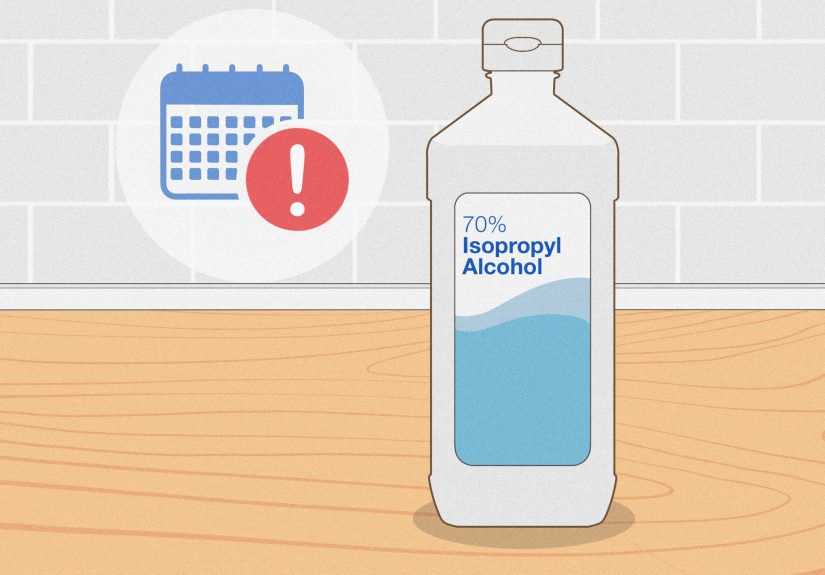
In most homes, rubbing alcohol refers to an isopropyl alcohol solution used for disinfecting, cleaning, and removing sticky residue. It evaporates quickly, which is part of its charm. It is also part of its problem. Fast evaporation means vapors build up easily, and those vapors can ignite if they meet heat, sparks, or open flame.
That is why this is not a “just rinse it away and hope for the best” product. Even though it looks harmless in a small plastic bottle, rubbing alcohol is still a flammable liquid. From a disposal standpoint, that little detail does a lot of heavy lifting.
Why You Should Not Dispose of Rubbing Alcohol Carelessly
Improper disposal of rubbing alcohol can create more than one problem at the same time, which is honestly very efficient of it. First, it is a fire risk. Second, it can affect plumbing, septic systems, or wastewater treatment when poured where it does not belong. Third, if it leaks in trash or transport, it can expose sanitation workers, pets, and children to fumes or contact hazards.
It also behaves differently from ordinary water-based products. A half bottle of rubbing alcohol is not the same as leftover dish soap. It is more volatile, more flammable, and more likely to cause trouble if stored near heat or mixed with something incompatible. That is why many local programs treat it as household hazardous waste, especially when there is more than a trace amount left in the container.
The Safest Rule of Thumb
If you have more than a tiny residue of rubbing alcohol left, the safest general approach is to bring it to a household hazardous waste collection site or event. This is the most widely defensible advice because household hazardous waste rules are local, not one-size-fits-all, and many communities specifically accept flammable liquids or rubbing alcohol through those programs.
Think of a household hazardous waste facility as the adult in the room. It is designed to handle products that are ignitable, reactive, corrosive, or toxic. Your kitchen sink is not. Your storm drain is absolutely not. And your garage floor definitely did not volunteer.
How to Dispose of Rubbing Alcohol Safely
1. Read the label first
Before you do anything, read the product label. Some products include disposal instructions, hazard warnings, storage directions, or concentration information that may affect what your local program wants you to do. If the label says “flammable,” take that seriously. If it also has first-aid or caution language, that is another clue you are not dealing with ordinary household waste.
2. Figure out how much is left
The amount matters. A sealed bottle that is half full should usually be handled differently from a bottle with only a film of liquid clinging to the bottom. In general:
- Mostly full or partly full bottle: store it safely and take it to a household hazardous waste site.
- Small leftover amount: check your local waste guidance before doing anything else.
- Completely empty container: local recycling or trash rules may allow regular disposal, but only when the bottle is truly empty and no free liquid remains.
3. Keep it in the original container
Do not pour rubbing alcohol into a food jar, an unlabeled spray bottle, or a coffee mug that is apparently “temporary.” Temporary household decisions have a way of becoming permanent household mysteries. The original container is safer because it is labeled, designed for the product, and easier for waste staff to identify.
4. Do not mix it with anything
Never mix rubbing alcohol with bleach, ammonia, acids, or random leftovers from your under-sink collection. Chemical mixtures can create toxic vapors, heat, or new disposal problems. Even if nothing dramatic happens immediately, you may turn a manageable product into one your local collection program cannot safely accept in the same way.
5. Store it safely until disposal day
Keep the container upright, tightly closed, away from children and pets, and far from heat, sparks, cigarettes, pilot lights, or direct sun. A cool, ventilated, low-traffic area is usually best. In other words, do not store it next to the water heater and call it “organized.”
6. Take it to a household hazardous waste collection facility
This is the best option for full, partial, expired, or unwanted rubbing alcohol. Many counties and cities run permanent drop-off sites or scheduled collection events for flammable household products. Some areas accept materials year-round, while others require appointments or special event dates. Search your city, county, or state waste department for “household hazardous waste” plus your ZIP code or municipality.
Can You Pour Rubbing Alcohol Down the Drain?
As a general-public safety answer, no. That is the safest advice to publish and follow unless your local authority explicitly says otherwise for a specific situation. National and local household hazardous waste guidance commonly warns people not to pour ignitable alcohol products down drains, toilets, storm drains, septic systems, or onto the ground.
Why the caution? Because alcohol vapors and residues can create fire hazards in pipes and sewer systems, and improper disposal can also interfere with septic systems or wastewater handling. On top of that, what is allowed in one city may be discouraged or prohibited in another. So if you are writing for a broad audience, the right answer is not “maybe.” It is “check local rules, but default to household hazardous waste disposal.”
What to Do With a Nearly Empty Bottle
A nearly empty bottle is where people get tempted to improvise. Resist that urge. There are usually three reasonable paths:
- Use it up for its intended purpose if the product is still in good condition and you can use it safely according to the label.
- Take it to household hazardous waste if there is still a meaningful amount left.
- Follow local guidance for trace residue if only a small film remains in the container.
Some local waste programs allow tiny residual amounts of certain household chemicals to be absorbed with kitty litter, newspaper, or another absorbent and then placed in the trash once fully dried and bagged. Other programs prefer collection-site drop-off for flammable products even when little remains. That variation is exactly why you should not turn one city’s disposal shortcut into a universal life philosophy.
How to Dispose of an Empty Rubbing Alcohol Bottle
If the bottle is completely empty, local rules may allow recycling or trash disposal. The key word there is completely. Not “mostly empty.” Not “I shook it once and heard nothing.” Completely empty, with no free liquid sloshing around.
Depending on the municipality, an empty bottle may be:
- accepted in curbside recycling,
- accepted in regular trash, or
- required to be handled more cautiously if the container still has flammable residue or labeling that your local program treats differently.
If your city has a searchable recycling guide, use it. If not, call your local public works or waste department. That two-minute check is much better than wish-cycling a chemical bottle into the recycling bin and hoping the sorting line feels generous.
How to Pack and Transport Rubbing Alcohol for Disposal
Once you know you are taking it to a household hazardous waste facility, do not just toss the bottle in the passenger seat like it is tagging along for brunch. Transport matters.
Smart transport steps
- Keep the product in its original container.
- Make sure the lid is tightly closed.
- Set the bottle upright in a box or bin so it will not tip.
- If the container is leaking, place it inside a larger sealed container with absorbent material around it.
- Transport it in a trunk or truck bed if possible, not loose in the cabin.
- Do not leave it sitting in a hot car for hours.
If you have several chemical products to drop off, keep them separated. Mixing containers in one bag is a bad idea for the same reason mystery leftovers in the office fridge are a bad idea: nobody wants surprises.
What If the Bottle Is Leaking or Damaged?
If the original container is cracked, warped, or leaking, handle it carefully. Wear gloves if needed, avoid breathing concentrated vapors, and move it away from heat or flame. Then place the entire container into a secondary, tightly closing plastic or glass container with non-flammable absorbent around it if possible.
Label the outer container clearly so nobody mistakes it for something safe or drinkable. Keep it out of reach until you can get it to the proper disposal site. If the leak is large, the fumes are strong, or you feel unsure, contact your local fire department, environmental health office, or poison center for guidance.
What Not to Do
Here is the “please do not make today more exciting” list:
- Do not pour rubbing alcohol into a storm drain, gutter, or onto soil.
- Do not flush it down a toilet.
- Do not dump it into a septic system.
- Do not mix it with bleach, ammonia, or other cleaners.
- Do not burn it off on purpose or leave open containers around to evaporate indoors.
- Do not transfer it into a food or beverage container.
- Do not throw a partly full bottle into regular trash unless your local authority specifically says that is acceptable.
In other words, if your disposal method sounds like a story that would begin with “So we thought it would probably be fine,” choose a different method.
What About Expired Rubbing Alcohol?
Expired rubbing alcohol should still be treated with respect. Even if the product is no longer ideal for disinfection, it may still be flammable and still needs careful handling. Expiration does not magically transform a solvent into harmless tap water. If you do not plan to use it, store it safely and bring it to a household hazardous waste site just as you would an unwanted partial bottle.
Special Note for Businesses, Clinics, Salons, and Workshops
This article is aimed at household disposal. If rubbing alcohol comes from a business, clinic, salon, shop, lab, or other commercial setting, the rules can be very different. Many local household hazardous waste programs are for residents only and do not accept business waste. Commercial generators may need to follow separate hazardous waste, workplace safety, storage, and transportation rules.
So if you are dealing with inventory, bulk containers, contaminated solvent, or waste from a business activity, do not rely on household advice. Contact your state environmental agency, local hazardous waste office, or licensed waste hauler.
Quick Disposal Checklist
- Read the label and confirm the product is rubbing alcohol or isopropyl alcohol.
- Keep it in the original container with the label attached.
- Do not mix it with any other cleaner or chemical.
- Store it in a cool, ventilated place away from heat and flame.
- Check your city or county household hazardous waste program.
- Take full or partial bottles to the designated drop-off site.
- For empty bottles, follow local recycling or trash instructions.
Simple, safe, and dramatically less exciting than an avoidable household chemical mishap.
Experience-Based Lessons: What People Usually Learn the Hard Way
One reason this topic confuses so many people is that rubbing alcohol feels familiar. It lives next to cotton balls and bandages, not next to industrial drums and warning sirens. Because it looks like an ordinary household staple, people tend to underestimate it. The most common real-world mistake is assuming that anything sold in a pharmacy must be gentle enough to pour down the drain. That logic works for almost nothing, and especially not for flammable liquids.
Another common experience is the “garage cleanout surprise.” Someone finds three half-used bottles: one in the bathroom bin, one in the toolbox, and one in a dusty cabinet nobody has opened since low-rise jeans were first fashionable. At that point, people often want one fast solution for everything. But disposal gets easier when you slow down and sort. Full and partial bottles usually belong in the household hazardous waste pile. Truly empty containers may go somewhere else. The mistake is treating every bottle the same without checking the contents.
People also learn that storage matters just as much as disposal. A bottle that sits upright, capped, and labeled is usually easy to deal with later. A bottle that leaked into a cardboard box of random cleaners becomes a mini crisis nobody scheduled. Once different liquids mix, your nice tidy disposal plan can disappear. Waste programs may not want unidentified chemicals, and now you are standing in the driveway wondering why “I’ll deal with it later” was somehow not a complete safety strategy.
Then there is the recycling confusion. Many households are trying to do the right thing, which is great, but chemical containers are one of those categories where good intentions need backup from local rules. Some people toss a not-quite-empty bottle into the recycling bin because the container is plastic. The problem is that recycling programs care very much about what is inside the plastic. A bottle with liquid residue is not the same as a rinsed soda bottle. The lesson people eventually learn is that “recyclable material” and “ready for recycling right now” are not always the same thing.
Finally, a lot of people discover that the safest disposal method is often the least dramatic one: wait for the next household hazardous waste drop-off day, pack the bottle properly, and let trained staff handle it. It is not glamorous. There is no triumphant movie montage. But it works. And with household chemicals, boring is usually a sign you are doing everything exactly right.
Conclusion
If you need to dispose of rubbing alcohol, the safest general answer is to treat it as a flammable household hazardous product and use your local household hazardous waste program for anything more than an empty container. Do not pour it down drains, onto the ground, into storm sewers, or into septic systems. Keep it in the original bottle, store it away from heat, and never mix it with other chemicals.
For empty bottles, check local recycling or trash rules. For partial bottles, choose caution over convenience. It may feel like a small product, but safe chemical disposal is one of those tiny household habits that prevents outsized problems. Your future self, your plumbing, and your local waste crew will all appreciate the effort.