Table of Contents >> Show >> Hide
- 1. Start With Your Track Event in Mind
- 2. Build a Base Before Going Full Speed
- 3. Use Dynamic Warm-Ups Before Every Workout
- 4. Improve Running Form Without Overthinking Every Step
- 5. Train Speed the Smart Way
- 6. Build Endurance Gradually
- 7. Add Strength Training Two to Three Times Per Week
- 8. Include Mobility and Flexibility Work
- 9. Practice Event-Specific Skills
- 10. Fuel Your Body Like an Athlete
- 11. Hydrate Before You Are Desperate
- 12. Prioritize Sleep and Recovery
- 13. Track Progress Without Obsessing Over It
- A Simple Weekly Track Conditioning Plan
- Common Mistakes to Avoid When Getting in Shape for Track
- Experience-Based Tips for Getting in Shape for Track
- Conclusion
Getting in shape for track is not just about running until your legs file a formal complaint. Track and field asks your body to do a lot: accelerate, sprint, pace, jump, throw, recover, repeat, and somehow still walk normally the next day. Whether you are preparing for your first school season, returning after a break, or trying to stop looking personally offended by the 400 meters, the goal is the same: build fitness safely, consistently, and intelligently.
The good news? You do not need a secret Olympic lab, a closet full of neon spikes, or a coach yelling motivational quotes through a megaphone. You need a balanced plan that includes running, strength training, mobility, recovery, nutrition, sleep, and patience. The last one is annoying but undefeated.
This guide breaks down how to get in shape for track in 13 practical steps. It is designed for sprinters, distance runners, hurdlers, jumpers, throwers, and beginners who still think “tempo run” sounds like a music class. Use it as a smart starting point, and always follow your coach, athletic trainer, doctor, or school program when you have specific instructions.
1. Start With Your Track Event in Mind
Track is not one sport disguised in matching uniforms; it is a whole buffet. A 100-meter sprinter, a 1600-meter runner, a high jumper, and a shot put athlete all need fitness, but not the exact same kind. Before building your training plan, identify your main event or the event group you want to try.
Sprints, Distance, Jumps, Throws, and Hurdles Need Different Focus
Sprinters need acceleration, power, speed mechanics, and full recovery between hard efforts. Distance runners need aerobic endurance, pacing, efficient form, and durable legs. Jumpers need speed, explosiveness, rhythm, and technical skill. Throwers need strength, coordination, mobility, and powerful movement from the ground up. Hurdlers need speed plus timing, mobility, courage, and the ability to not negotiate with every hurdle mid-race.
If you are new, try different events early in the season. Your “best” event may surprise you. Many athletes discover they are better at the 400 meters, long jump, or hurdles only after giving those events a fair chance.
2. Build a Base Before Going Full Speed
One of the biggest mistakes beginners make is jumping into intense workouts too quickly. Your lungs may be excited. Your playlist may be ready. Your shins, however, may not have received the memo.
Start with a general fitness base. For two to four weeks, focus on easy running, bodyweight strength, mobility, and light drills. This helps your muscles, tendons, bones, and joints adapt to regular training. A base does not mean you jog forever. It means you prepare your body so harder workouts actually make you better instead of making you injured.
Beginner Base Example
A simple beginner week might include three easy runs, two strength sessions, one mobility-focused day, and one rest day. Keep the effort comfortable. You should finish most early workouts feeling like you could do a little more, not like you saw the ghost of every bad decision you have ever made.
3. Use Dynamic Warm-Ups Before Every Workout
A proper warm-up is not optional. It prepares your heart, lungs, muscles, joints, and nervous system for faster movement. For track athletes, a good warm-up should gradually move from easy activity to event-specific drills.
Start with five to ten minutes of light jogging or brisk walking. Then add dynamic movements such as leg swings, walking lunges, high knees, butt kicks, skips, ankle bounces, hip circles, and side shuffles. Finish with a few short strides if you are doing a faster workout.
Why Dynamic Beats Static Before Track
Long static stretching before sprinting or jumping may make your muscles feel loose, but it does not prepare you as well for explosive movement. Dynamic warm-ups are better before track workouts because they raise body temperature, increase blood flow, improve range of motion, and rehearse the movement patterns you are about to use.
4. Improve Running Form Without Overthinking Every Step
Good running form helps you move efficiently and reduces wasted energy. But here is the catch: trying to micromanage every foot strike, arm swing, and eyebrow position while running usually makes you stiff. Focus on a few simple cues.
Run tall. Keep your shoulders relaxed. Let your arms swing forward and back instead of across your body. Land with your feet under your hips, not way out in front like you are trying to stop a runaway shopping cart. Keep your face relaxed too. Yes, your face. Sprinting with a clenched jaw does not make you faster; it just makes race photos more dramatic.
Simple Form Drills
Add drills two or three times per week after warming up. Good options include A-skips, B-skips, high knees, straight-leg bounds, marching drills, and relaxed strides. Keep drills smooth and controlled. The goal is better coordination, not winning the national championship of skipping aggressively.
5. Train Speed the Smart Way
If you want to get faster for track, you need speed work. But speed training is not the same as running hard all the time. True speed work involves short, high-quality efforts with enough rest to stay fast.
For sprinters, this might mean 6 to 8 short sprints of 20 to 40 meters with full recovery. For middle-distance runners, speed development might include strides, short hill sprints, or controlled 150-meter repeats. For distance runners, speed work improves running economy and finishing power.
Quality Beats Chaos
Stop a speed session before your form falls apart. When your sprint turns into survival jogging with jazz hands, you are no longer training speed. You are training fatigue. There is a difference, and your hamstrings know it.
6. Build Endurance Gradually
Even sprinters need some endurance, and distance runners obviously need plenty. The key is gradual progress. Increase your total weekly running slowly, especially if you are new or returning after time off.
Easy runs should feel conversational. If you cannot speak in short sentences, slow down. These runs strengthen your aerobic system, improve recovery, and build the durability needed for harder workouts later. For distance athletes, easy running is the foundation. For sprinters and jumpers, it should be used carefully and not overdone.
Do Not Race Every Run
Many athletes accidentally turn every workout into a competition. That is a fast route to tired legs and cranky motivation. Easy days are supposed to be easy. Hard days are supposed to be purposeful. Recovery days are where your fitness actually has room to show up and unpack its suitcase.
7. Add Strength Training Two to Three Times Per Week
Strength training helps track athletes produce more force, maintain better posture, reduce muscle imbalances, and handle the demands of running, jumping, and throwing. You do not need to lift like a superhero trapped in a gym commercial. You need consistent, well-coached strength work.
Begin with bodyweight exercises: squats, lunges, push-ups, planks, glute bridges, calf raises, step-ups, and side planks. As you progress, add resistance with proper supervision. Good strength training for track should include lower-body strength, core control, upper-body stability, and hip strength.
Track-Friendly Strength Exercises
Useful exercises include goblet squats, Romanian deadlifts, split squats, rows, medicine ball throws, farmer carries, and controlled plyometrics. Focus on form first. Adding weight to messy movement is like adding hot sauce to burnt toast: technically possible, spiritually unnecessary.
8. Include Mobility and Flexibility Work
Mobility helps your joints move through a healthy range of motion with control. Flexibility helps muscles lengthen. Track athletes need both, especially in the hips, ankles, hamstrings, calves, shoulders, and upper back.
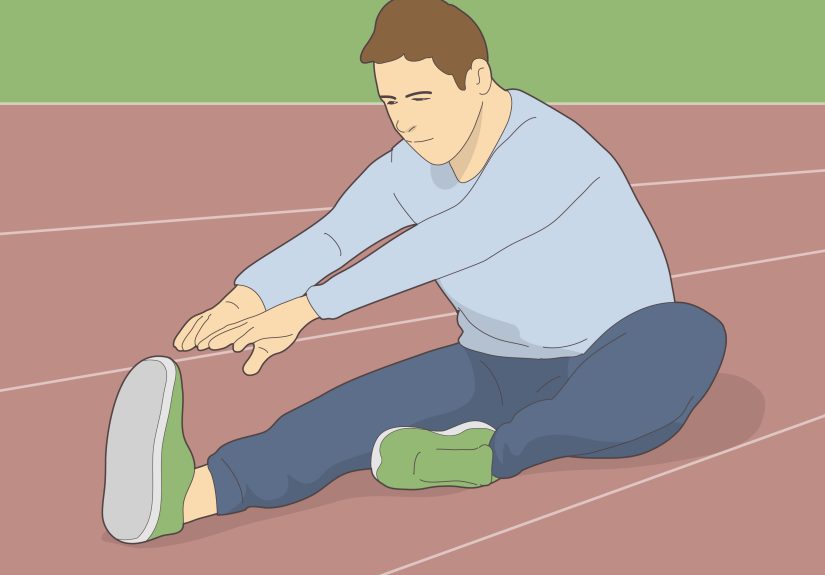
Use dynamic mobility before workouts and slower stretching after workouts or on recovery days. After training, hold gentle stretches for the calves, hip flexors, quads, hamstrings, glutes, and lower back. Do not force positions or bounce. Stretching should feel like mild tension, not a medieval negotiation.
Mobility Matters for Event Technique
Hurdlers need hip mobility. Sprinters need ankle stiffness plus hip range. Jumpers need controlled mobility for takeoff and landing. Throwers need shoulder, hip, and thoracic spine mobility. Better movement quality can make technical practice smoother and safer.
9. Practice Event-Specific Skills
General fitness gets you ready to train. Event-specific practice helps you compete. Once you have a base, spend time learning the skills of your event.
Sprinters should practice starts, acceleration, upright sprint mechanics, and relaxation at speed. Distance runners should practice pacing, race rhythm, surges, and finishing kicks. Hurdlers should work on lead-leg and trail-leg drills. Jumpers should practice approaches, takeoff mechanics, and landing positions. Throwers should learn footwork, release angles, and safe throwing technique.
Technique Is a Multiplier
Fitness without technique is like owning a sports car and driving it with the parking brake on. You may still move, but you are wasting power. Spend time on drills, listen to feedback, and record your form occasionally if your coach allows it.
10. Fuel Your Body Like an Athlete
Track training requires energy. That means food is not the enemy; it is your training partner. Athletes need enough calories, carbohydrates, protein, healthy fats, vitamins, minerals, and fluids to support growth, school, practice, recovery, and normal life.
Carbohydrates help fuel running and high-intensity workouts. Protein supports muscle repair. Healthy fats support overall health. Fruits and vegetables provide important micronutrients. A balanced plate might include rice or potatoes, chicken or beans, vegetables, fruit, and water. For a snack, try yogurt with fruit, peanut butter toast, a turkey sandwich, trail mix, or a smoothie.
Before and After Practice
Before practice, choose something easy to digest, such as a banana, toast, oatmeal, or a light sandwich. After practice, aim for a combination of carbohydrates and protein within a reasonable window. Chocolate milk, yogurt and granola, eggs and toast, rice and chicken, or a bean burrito can all work.
Avoid extreme dieting, skipping meals, or trying to “get lighter” without professional guidance. Track performance improves when your body is fueled, recovered, and healthy.
11. Hydrate Before You Are Desperate
Hydration affects performance, focus, temperature regulation, and recovery. Do not wait until you feel like a raisin in running shoes. Drink water throughout the day, especially when training in heat or humidity.
For most practices, water is enough. For longer, hotter, or very intense sessions, a sports drink or salty snack may help replace electrolytes. Pay attention to urine color, thirst, sweat rate, and how you feel. Pale yellow is usually a good sign. Dark urine, dizziness, headache, chills, confusion, or stopping sweating during hot exercise are warning signs that need attention.
Heat Safety Comes First
If conditions are hot, adjust intensity, take breaks, find shade, and tell a coach or adult if you feel unwell. Toughness is not ignoring heat illness. Toughness is speaking up early enough to stay safe and train another day.
12. Prioritize Sleep and Recovery
Recovery is not laziness wearing pajamas. It is when your body adapts to training. Without enough sleep and rest, workouts pile up like homework you forgot existed.
Teen athletes often need more sleep than they get. A consistent sleep schedule, less late-night screen time, a calming bedtime routine, and smart time management can improve recovery. If you train hard, sleep is one of the simplest performance tools available.
Use Rest Days Correctly
Rest days do not erase progress. They protect it. A good weekly plan alternates hard and easy days. If you feel unusually sore, moody, exhausted, or slower than normal for several workouts in a row, your body may need more recovery.
13. Track Progress Without Obsessing Over It
Keep a simple training log. Write down what you did, how you felt, your sleep, any soreness, and your times when relevant. Over time, patterns appear. Maybe you run better after more sleep. Maybe your shins hurt when you increase mileage too quickly. Maybe eating a giant greasy meal one hour before intervals was, scientifically speaking, a dramatic plot twist.
Use progress markers such as better workout consistency, improved form, faster repeats, easier recovery, stronger lifts, or more confidence at practice. Times matter in track, but they are not the only sign you are getting in shape.
A Simple Weekly Track Conditioning Plan
Here is a sample beginner-friendly structure. Adjust it based on your event, coach, fitness level, and school schedule.
Sample Week
- Monday: Warm-up, running drills, short speed work, strength training.
- Tuesday: Easy run or tempo-style conditioning, mobility.
- Wednesday: Event technique practice, light plyometrics, core work.
- Thursday: Intervals or hill work, cooldown, stretching.
- Friday: Easy recovery run or cross-training, mobility.
- Saturday: Longer easy run for distance athletes or technical session for sprinters, jumpers, and throwers.
- Sunday: Rest or gentle walking and stretching.
This is only an example. Sprinters may need less distance volume and more recovery between high-speed sessions. Distance runners may need more aerobic mileage. Throwers may spend more time in the weight room and technical practice. The best plan is the one that fits your event and lets you improve without constantly feeling beat up.
Common Mistakes to Avoid When Getting in Shape for Track
Doing Too Much Too Soon
Fast progress feels exciting until your body waves a tiny white flag. Increase training gradually and give your muscles, tendons, and bones time to adapt.
Skipping Warm-Ups
Showing up late and sprinting cold is not efficiency. It is a suspense movie for your hamstrings.
Ignoring Pain
Normal muscle soreness can happen. Sharp pain, swelling, limping, pain that changes your form, or pain that gets worse needs attention from a coach, parent, athletic trainer, or healthcare professional.
Comparing Yourself Constantly
Someone will always be faster, stronger, taller, more experienced, or better at looking calm before races. Focus on your own progress. Track rewards patience and consistency.
Experience-Based Tips for Getting in Shape for Track
One of the most useful lessons in track is that fitness is built in boring little deposits. You rarely wake up one day magically faster. Instead, you warm up properly on a random Tuesday, finish your drills with better posture, choose an easy pace when your ego wants a race, eat a real dinner, sleep enough, and repeat. Then, weeks later, you notice the curve feels smoother, the final 100 meters hurts slightly less, or your start finally stops looking like a baby deer discovering electricity.
A common experience for new athletes is early-season shock. The first few practices can feel brutal, especially if you are coming from a less running-heavy sport or no sport at all. That does not mean you are bad at track. It means your body is learning a new language. The first week may be mostly soreness and confusion. The second week often feels a little more organized. By the third or fourth week, many athletes start to feel actual rhythm. The key is not quitting during the awkward beginning.
Another real-world tip: respect your shoes. You do not need the most expensive pair on the wall, but you do need shoes that fit well and match your training. Worn-out shoes can make easy runs feel harder and may contribute to aches. Spikes are useful for racing and certain workouts, but they should be introduced gradually. Wearing spikes too often before your calves and feet are ready can turn your lower legs into a complaint department.
Practice habits also matter more than most beginners think. Arrive with enough time to warm up. Bring water. Know the workout. Listen when the coach explains the purpose. During drills, do them well instead of just surviving them. During rest intervals, actually rest. Some athletes jog around, talk nonstop, or turn recovery into another workout. Then they wonder why their next rep looks like it was assembled from spare parts.
Race-day experience teaches its own lessons. Your first meet may feel chaotic: numbers, heats, calls, event schedules, spikes, snacks, and someone asking where the relay baton went. Pack your bag the night before. Bring water, light snacks, layers, extra socks, and anything your coach requires. Warm up early enough, but not so early that you are cold again by race time. If your event is delayed, stay relaxed and do a few light movements to keep your body ready.
Finally, remember that confidence comes from preparation, not perfect feelings. You will not feel amazing every day. Some workouts are clunky. Some races are disappointing. Some days your legs seem to have joined a different team. That is normal. The athletes who improve are not the ones who feel perfect all season. They are the ones who keep showing up, ask good questions, recover well, and learn from each session. Track is honest: it shows you where you are, then gives you another chance to get better.
Conclusion
Getting in shape for track requires more than running hard and hoping your legs develop a personality of steel. The best approach is balanced: build a base, warm up properly, improve form, train speed and endurance, lift intelligently, practice your event, fuel your body, hydrate, sleep, recover, and track your progress. Whether you are chasing a personal record or just trying to survive your first 400 meters with dignity, consistency will take you further than panic training ever will.
Start where you are. Progress gradually. Listen to your body. Trust good coaching. And remember: every strong track season is built one smart workout at a time.