Table of Contents >> Show >> Hide
- 1) Choose the Right Tomato Variety (Because “One Tomato” Is Not a Thing)
- 2) Timing Is Everything (Tomatoes Hate Being Rushed)
- 3) Pick the Perfect Spot: Sun, Airflow, and Drainage
- 4) Planting Tomatoes the Right Way (Deep Is the Secret Sauce)
- 5) Support Early: Stakes, Cages, and Trellises
- 6) Watering Tomatoes: Consistent Moisture, Not a Monsoon
- 7) Fertilizing: Feed the Plant, Not Just the Leaves
- 8) Pruning and Training (Optional, but Useful)
- 9) Pollination and Fruit Set: When Flowers Drop for No Reason
- 10) Troubleshooting Common Tomato Problems (Without Panic Googling)
- 11) Growing Tomatoes in Containers (Yes, You Can Do This)
- 12) Harvesting and Storing Tomatoes for Best Flavor
- Final Tomato Checklist (Print This in Your Brain)
- of “Been There” Tomato Experiences (So You Feel Less Alone)
- Conclusion
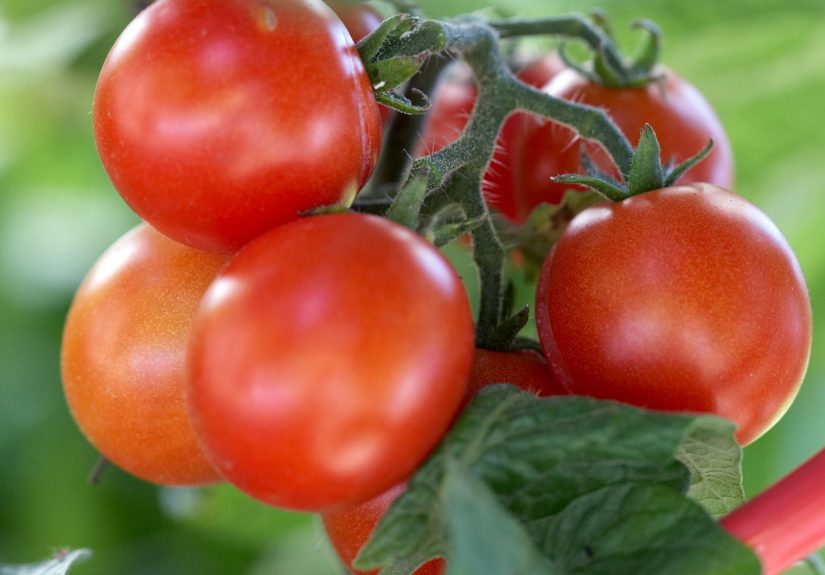
Tomatoes are the overachievers of the garden: they want sun, warmth, steady water, decent food, and a little emotional support (aka a cage).
Give them those basics, and they’ll reward you with the kind of flavor that makes store-bought tomatoes taste like damp paper towels.
This guide walks you through tomato growing tips that actually workwhether you’re planting in a backyard bed, raised garden, or a container on a balcony.
1) Choose the Right Tomato Variety (Because “One Tomato” Is Not a Thing)
Start with a simple question: What do you want tomatoes to do? Snack? Sauce? Sandwich heroics? The best tomato variety is the one that fits
your space, your climate, and your patience level.
Determinate vs. indeterminate: the personality test
- Determinate (“bush” tomatoes): grow to a set height, produce a big flush of fruit over a shorter window, and behave better in pots.
- Indeterminate (“vining” tomatoes): keep growing and producing until frost or disease ends the party. They need taller support and more tying.
Quick variety cheat sheet
- Cherry/grape: beginner-friendly, fast, and generous (the “golden retriever” of tomatoes).
- Roma/paste: thicker flesh, fewer seedsgreat for sauce and roasting.
- Slicers: classic sandwich tomatoes; pick disease-resistant varieties when possible.
- Heirlooms: unbeatable flavor, but often more finicky about disease and cracking.
2) Timing Is Everything (Tomatoes Hate Being Rushed)
Tomatoes are warm-season plants that sulk in cold soil. Planting too early is the gardening equivalent of sending someone to the beach in a parka.
For most of the U.S., you’ll transplant outdoors after the danger of frost passes and when the soil has warmed.
Starting from seed vs. buying transplants
Starting seeds indoors gives you variety options you’ll never find at the garden center. Begin about 6–8 weeks before your last expected frost.
Use a seed-starting mix, provide strong light (a sunny window rarely cuts it), and keep seedlings warm.
Buying transplants is faster and simpler. Choose sturdy, stocky plants with healthy leavesskip the tall, spindly ones that look like they’ve been training for a spaghetti impersonation contest.
Harden off (aka “tomato boot camp”)
Before transplanting, gradually introduce seedlings to outdoor sun and wind over 7–10 days.
This reduces transplant shock and helps plants settle in faster.
3) Pick the Perfect Spot: Sun, Airflow, and Drainage
Tomatoes are sun addicts. Aim for full sunat least 6–8+ hours of direct sunlight daily.
Good airflow matters, too: it helps leaves dry faster and can reduce disease pressure.
Soil basics for tomato success
- Drainage: Tomatoes hate “wet feet.” If your soil stays soggy, use raised beds or containers.
- Organic matter: Mix in compost to improve structure and nutrient-holding ability.
- pH: Tomatoes typically do well in slightly acidic to neutral soil (many gardeners target roughly the high-5s to about 7).
Pro tip: If you can swing it, do a soil test. It’s the cheapest way to avoid guessing games with fertilizer and pH amendments.
4) Planting Tomatoes the Right Way (Deep Is the Secret Sauce)
Unlike most plants, tomatoes can grow roots from buried stems. Planting them deep encourages a stronger root systemmore stability, better water uptake, and a sturdier plant overall.
Step-by-step transplanting
- Dig a hole deep enough to bury the stem up to the first set of healthy leaves (or trench-plant sideways if the plant is tall).
- Remove the lowest leaves that would sit below the soil line.
- Set the plant in, backfill gently, and water thoroughly to settle soil around roots.
- Add a label. Trust me: “mystery tomato” is a very real category by July.
Spacing that prevents chaos later
Crowded tomatoes create a humid jungle where diseases throw a rave. Space plants roughly 18–36 inches apart depending on variety and support method.
If you’re using sturdy cages and pruning lightly, you can sometimes go a bit closerjust don’t turn your bed into a tomato mosh pit.
5) Support Early: Stakes, Cages, and Trellises
Support isn’t optional if you want clean fruit and fewer disease problems. Keeping foliage and fruit off the ground improves airflow and reduces splashing soilone of the easiest ways diseases move around.
Common support options
- Cages: great for many gardeners; pick heavy-duty cages, especially for indeterminate varieties.
- Stakes: simple, space-saving; requires consistent tying as the plant grows.
- Trellis/string weave: excellent for rows and high production, common in larger gardens.
Install support at planting time. Waiting until later is how you end up wrestling a tomato plant like it owes you money.
6) Watering Tomatoes: Consistent Moisture, Not a Monsoon
Most tomato problems get worse with inconsistent watering. The goal is steady soil moisture: not bone-dry, not swampy.
A common guideline is about 1 inch of water per week (rain included), sometimes more during hot weather or heavy fruitingespecially in containers.
Best practices
- Water deeply so moisture reaches the root zone.
- Water at the base (drip irrigation or soaker hoses are ideal). Wet leaves stay wet, and diseases love that.
- Mulch (straw, shredded leaves, compost) to reduce evaporation and soil splash.
Quick check: stick your finger into the soil. If the top inch is dry, it’s time to waterespecially for potted tomato plant care.
7) Fertilizing: Feed the Plant, Not Just the Leaves
Tomatoes need nutrients, but too much nitrogen can produce gorgeous leaves and fewer fruits. (Congratulations, you’ve grown a very healthy bush.)
If you didn’t do a soil test, choose a tomato or vegetable fertilizer and follow label directions.
A simple feeding rhythm
- At planting: mix compost into soil; consider a balanced starter fertilizer if needed.
- After fruit set: many gardeners “side-dress” (apply fertilizer near the plant) periodically to support ongoing production.
- In containers: nutrients wash out faster, so a consistent plan (slow-release plus occasional liquid feeding) often works well.
Watch your plant: pale leaves can mean it’s hungry; a thick jungle of dark leaves with few flowers can mean you’re overfeeding nitrogen.
8) Pruning and Training (Optional, but Useful)
Pruning isn’t mandatory, but it can improve airflow and make maintenance easierespecially for indeterminate tomatoes.
The main idea: remove what’s unhelpful, not half the plant.
Smart pruning moves
- Remove leaves that touch the soil line to reduce disease risk.
- Thin a little for airflow if the center becomes a dense thicket.
- For indeterminate varieties, you can remove some “suckers” (the shoots between a leaf and stem) if you want fewer, larger fruits and easier tying.
Avoid dramatic haircutting during extreme heat; fruit can sunscald if suddenly exposed to harsh afternoon sun.
9) Pollination and Fruit Set: When Flowers Drop for No Reason
Tomato flowers are self-fertile, but they still need movement (wind, buzzing bees) for good pollination. Extreme heat can interfere with fruit set and cause blossoms to drop.
If temperatures spike, focus on consistent watering and consider providing light afternoon shade in very hot regions.
Easy fruit-set boosters
- Encourage pollinators with nearby flowering plants.
- Gently tap flower clusters midday to shake pollen loose.
- Keep plants evenly watered (stress can reduce fruit set).
10) Troubleshooting Common Tomato Problems (Without Panic Googling)
Blossom-end rot (black leathery spot on the bottom)
This isn’t a bug, and it usually isn’t because your soil has “no calcium.”
It’s often tied to inconsistent moisture that disrupts calcium movement into developing fruit. Fix the watering rhythm, mulch, and avoid over-fertilizing.
A soil test can help if you suspect true calcium deficiency or pH issues.
Cracking
Fruit cracks when a dry period is followed by heavy watering or rain. Mulch and consistent irrigation help. Pick nearly ripe fruit early if storms are coming.
Leaf spots and blights
Many foliar diseases start on lower leaves, especially during wet weather. Preventive habits matter:
- Use mulch to reduce soil splash.
- Avoid overhead watering.
- Give plants space and support for airflow.
- Remove infected leaves (don’t compost diseased material unless your compost gets truly hot).
- Rotate cropsavoid planting tomatoes (and their relatives like peppers/potatoes) in the same spot year after year.
Pests: hornworms, aphids, and other freeloaders
- Hornworms: handpick (they’re big enough to have their own zip code) or use BT when needed.
- Aphids/whiteflies: blast with water, use insecticidal soap if severe, and encourage beneficial insects.
- Stink bugs: reduce weeds nearby; harvest promptly; use row covers early if pressure is high.
11) Growing Tomatoes in Containers (Yes, You Can Do This)
Container tomatoes are perfect for patios and small spaces, but they demand more attentionmostly because pots dry out faster.
Container must-haves
- Size: at least 5 gallons per plant (bigger is better for moisture stability).
- Drainage: holes are non-negotiable.
- Soil: use potting mix (not garden soil), ideally with compost blended in.
- Support: even “compact” tomatoes get ambitious.
Water more frequently, feed more regularly, and mulch the surface to reduce evaporation. If you forget watering for a day in midsummer, your tomato will remember forever.
12) Harvesting and Storing Tomatoes for Best Flavor
Harvest when fruit is fully colored and slightly firm. For many varieties, the best flavor happens when tomatoes ripen at room temperaturenot in the fridge.
Store harvested tomatoes around typical room temps, out of direct sun. Refrigeration can dull flavor and cause mealy texture if used too long.
Ripening green tomatoes indoors
If frost is coming, pick mature green or partially colored fruit. Store in a single layer. A ripe tomato nearby can speed ripening (tomatoes produce ethylene gas).
Avoid overly hot ripening spots; extreme heat can slow ripening and impact color development.
Final Tomato Checklist (Print This in Your Brain)
- Full sun, good drainage, and airflow
- Plant after frost; warm soil; harden off seedlings
- Plant deep, support early, mulch generously
- Water consistently; aim for deep watering at the base
- Feed wisely; don’t overdo nitrogen
- Prevent disease with spacing, sanitation, and crop rotation
- Harvest at full color; store at room temperature for best flavor
of “Been There” Tomato Experiences (So You Feel Less Alone)
If you’re new to growing tomatoes, here’s a comforting truth: nearly everyone has a “tomato season” that starts with confidence and ends with a slightly frantic
relationship to watering schedules. It often begins innocentlyone plant becomes two, then somehow you’re Googling “tomato trellis ideas” at 11:48 p.m.
because your indeterminate variety has decided it’s training for the Olympics.
A classic early experience is the overloving phase. You feed your tomato plant like it’s a teenage athlete, and it responds with lush, dark green leaves
so beautiful you consider framing them. Then you realize you’ve grown a leafy masterpiece with suspiciously few flowers. That’s the moment many gardeners learn:
tomatoes need balanced nutrition, not a nitrogen buffet.
Then comes the watering lesson, usually delivered by blossom-end rot. One week you water like a responsible adult, the next week life happens,
then you “make up for it” with a dramatic soak. Tomatoes, being divas with a strong sense of fairness, respond by developing that dreaded black spot on the fruit bottom.
The experience tends to convert people into mulch enthusiasts overnight. Suddenly you’re debating straw vs. shredded leaves like it’s a sports rivalry.
Many gardeners also run into the tomato jungle problem. Plants grow quickly, especially when heat and sun line up. If your spacing was optimistic,
you eventually find yourself parting leaves like you’re exploring a rainforest, trying to locate the fruit you swear was there yesterday. That’s when pruning and support
start to feel less like “extra work” and more like “basic safety equipment.”
Heat waves create their own tomato drama. You’ll see flowers dropping and wonder what crime you committed. Usually it’s just temperature stress interfering with fruit set.
The best growers learn to respond with steadiness: consistent watering, a little shade cloth in the hottest regions, and patience.
Tomatoes are resilientonce conditions improve, they often bounce back with a fresh round of blossoms.
The most universal experience, though, is the first truly sun-warmed tomato you harvest at peak ripeness. It’s the moment you realize why people get a little intense
about tomato varieties. After that, you’ll understand why gardeners casually say things like, “I’m only growing four plants this year,” the same way people say,
“I’m only having one potato chip.”
Conclusion
Growing tomatoes is mostly about nailing the basics: warm timing, full sun, deep planting, steady watering, and support. Add smart feeding and disease prevention,
and you’ll stack the odds heavily in your favor. Start simple, observe your plants, and adjust as you gobecause tomatoes are excellent teachers, especially when they’re
not busy trying to outgrow their cages.