Table of Contents >> Show >> Hide
- What Is a Homemade Meat Tenderizer?
- The Best Homemade Meat Tenderizer Recipe
- How Homemade Meat Tenderizers Work
- Homemade Meat Tenderizer Ideas by Ingredient
- How to Choose the Right Tenderizer for Each Cut
- Food Safety Tips for Homemade Meat Tenderizer
- Common Mistakes to Avoid
- Quick Homemade Meat Tenderizer Formulas
- Experience Notes: What Actually Works in a Home Kitchen
- Conclusion
Some cuts of meat walk into your kitchen already tender. Others arrive with the confidence of a leather boot and the chew of a gym mat. The good news? You do not need a mystery packet from the spice aisle to fix tough steak, pork chops, chicken breast, or budget-friendly roasts. A smart homemade meat tenderizer can turn everyday ingredientssalt, citrus, vinegar, yogurt, pineapple, kiwi, papaya, baking soda, garlic, herbs, and oilinto a flavor-packed helper that makes dinner softer, juicier, and much more lovable.
The trick is understanding what kind of tenderizing your meat needs. A thick chuck roast does not behave like thin skirt steak. Chicken breast needs moisture and gentle treatment. Pork shoulder loves time. Stir-fry beef can become silky with a little baking soda magic. In other words, meat tenderizing is not one recipeit is a toolkit. Once you learn which tool to use, you can make homemade meat tenderizer with confidence instead of hoping dinner does not fight back.
This guide explains how to make natural meat tenderizer at home, when to use acidic marinades, when to use fruit enzymes, how salt works, why baking soda can be powerful, and how to avoid common mistakes that turn meat mushy instead of tender. Let’s give tough cuts a glow-up.
What Is a Homemade Meat Tenderizer?
A homemade meat tenderizer is any kitchen-made mixture or technique that helps soften meat before cooking. It may be a marinade, dry rub, fruit paste, brine, baking soda treatment, or even a simple salt-and-rest method. The goal is not just “soft meat.” The real goal is better texture, better juiciness, better flavor, and a final bite that feels delicious instead of exhausting.
There are four main ways to tenderize meat at home:
- Salt tenderizing: Helps meat hold moisture and seasons it more deeply.
- Acid tenderizing: Uses vinegar, citrus juice, wine, buttermilk, or yogurt to soften the surface and add brightness.
- Enzyme tenderizing: Uses fruits such as pineapple, papaya, kiwi, mango, or fig to break down proteins.
- Alkaline tenderizing: Uses a small amount of baking soda to raise pH and help meat stay tender and juicy during quick cooking.
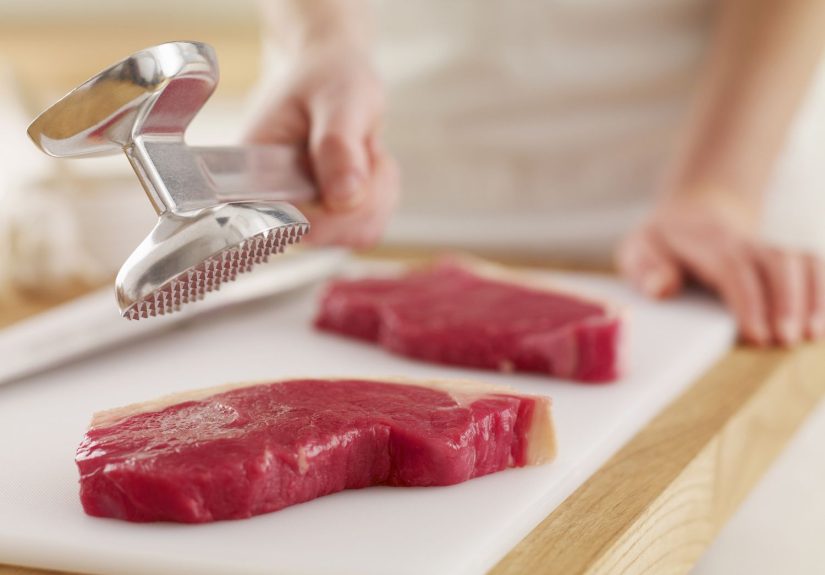
You can also tenderize mechanically by pounding meat with a mallet, slicing against the grain, scoring the surface, or cutting tough meat into thinner pieces. The best homemade meat tenderizer often combines two approaches: for example, salt plus acid for fajitas, or baking soda plus cornstarch for stir-fry beef.
The Best Homemade Meat Tenderizer Recipe
This all-purpose marinade works beautifully for steak, pork chops, chicken thighs, boneless chicken breast, lamb, and kebab meat. It tenderizes gently, seasons well, and adds flavor without taking over the entire meal like an overexcited dinner guest.
All-Purpose Homemade Meat Tenderizer Marinade
Ingredients:
- 1/4 cup olive oil or neutral oil
- 2 tablespoons lemon juice or apple cider vinegar
- 1 tablespoon soy sauce or Worcestershire sauce
- 1 teaspoon kosher salt
- 1 teaspoon brown sugar or honey
- 2 cloves garlic, minced
- 1/2 teaspoon black pepper
- 1 teaspoon Dijon mustard, optional
- 1 tablespoon chopped rosemary, thyme, parsley, or cilantro
Instructions:
- Whisk all ingredients in a bowl until combined.
- Place meat in a zip-top bag or covered glass container.
- Pour marinade over the meat and turn to coat evenly.
- Refrigerate while marinating. Do not leave raw meat on the counter.
- Remove meat from marinade, pat dry, and cook using your preferred method.
- Discard used marinade unless you boil it thoroughly before using it as a sauce.
Recommended marinating times: Thin steak or chicken pieces need about 30 minutes to 2 hours. Pork chops and chicken thighs can handle 2 to 6 hours. Large roasts can go longer, but avoid leaving meat in acidic marinades for days because the texture can become unpleasantly soft on the outside while still dense inside.
How Homemade Meat Tenderizers Work
Salt: The Quiet Hero
Salt is the simplest homemade meat tenderizer, and it is probably already sitting on your counter pretending to be ordinary. When applied before cooking, salt draws out a little moisture, dissolves, and then moves back into the meat. This helps season the meat and improve moisture retention. For steaks, pork chops, and chicken, a salt-forward marinade or dry brine can make a noticeable difference.
For a basic dry-brine tenderizer, sprinkle meat with kosher salt and refrigerate it uncovered on a rack. Thin cuts may need only 30 to 60 minutes. Thick steaks or roasts may benefit from several hours. Before cooking, pat the surface dry so the meat browns instead of steaming.
Acid: Bright, Flavorful, and Easy to Overdo
Acidic ingredients such as lemon juice, lime juice, vinegar, wine, tomato juice, buttermilk, and yogurt can soften the outer layer of meat while adding flavor. This is why recipes for fajitas, Greek chicken, kebabs, and barbecue marinades often include citrus or vinegar.
But acid is not a bulldozer. It mostly works near the surface, and too much acid for too long can make meat mealy or chalky. Use acid like seasoning, not like a punishment. A small amount balanced with oil, salt, aromatics, and a touch of sweetness creates a better homemade meat tenderizer than a bowl of straight lemon juice.
Fruit Enzymes: Powerful Natural Tenderizers
Some fruits contain enzymes that break down proteins. Pineapple contains bromelain, papaya contains papain, kiwi contains actinidin, and figs contain ficin. These natural meat tenderizers are effective, but they are strong. A little can make tough meat tender. Too much can make the outside feel mushy, almost as if the steak lost its will to be steak.
For a quick enzyme tenderizer, mash 1 peeled kiwi with 1 tablespoon soy sauce, 1 tablespoon oil, 1 minced garlic clove, and a pinch of salt. Coat 1 to 1 1/2 pounds of beef, pork, or lamb and refrigerate for 20 to 45 minutes. Rinse lightly or wipe off excess paste, pat dry, and cook. Kiwi is especially useful because it tenderizes quickly without adding as much tropical sweetness as pineapple.
Baking Soda: The Stir-Fry Secret
Baking soda is a homemade meat tenderizer that works especially well for thinly sliced beef, chicken, pork, and shrimp used in stir-fries. It raises the pH on the surface of the meat, which helps proteins stay looser during cooking. The result is a softer, juicier texture.
Use baking soda carefully. For 1 pound of thinly sliced meat, sprinkle with 1/2 teaspoon baking soda and 1 tablespoon water. Toss well, refrigerate for 15 to 30 minutes, then rinse lightly and pat dry. After that, season or marinate as desired. Do not use too much baking soda or leave it too long, or the meat may taste soapy and feel oddly slippery. Nobody wants dinner to taste like it came with a cleaning schedule.
Homemade Meat Tenderizer Ideas by Ingredient
1. Pineapple Juice Tenderizer
Pineapple juice can soften tough cuts quickly because of its natural enzymes. Mix 1/4 cup fresh pineapple juice with 2 tablespoons soy sauce, 1 tablespoon oil, garlic, ginger, and black pepper. Use it on flank steak, skirt steak, pork, or chicken thighs for 20 to 45 minutes. Fresh pineapple works better than canned pineapple for tenderizing because heat processing can reduce enzyme activity.
2. Papaya Paste Tenderizer
Papaya is famous for tenderizing meat, and many commercial meat tenderizers rely on papain. To make a homemade version, blend 2 tablespoons ripe papaya with 1 tablespoon oil, 1 teaspoon lime juice, garlic, salt, and pepper. Spread it thinly over meat and refrigerate for 30 to 60 minutes. This works well for beef kebabs, lamb, and tougher grilling cuts.
3. Yogurt Tenderizer
Yogurt is wonderful for chicken, lamb, and kebabs. Its mild acidity tenderizes gently, while its thickness helps spices cling to the meat. Combine 1/2 cup plain yogurt with 1 tablespoon lemon juice, 1 teaspoon salt, garlic, cumin, paprika, and black pepper. Marinate chicken pieces for 2 to 8 hours in the refrigerator. The result is tender, flavorful meat that browns beautifully.
4. Buttermilk Tenderizer
Buttermilk is a classic choice for chicken because it tenderizes while keeping the meat moist. Mix 1 cup buttermilk with 1 teaspoon salt, pepper, garlic powder, and paprika. Add chicken breast, thighs, or cutlets and refrigerate for 4 to 12 hours. Before cooking, let excess buttermilk drip off and pat lightly if you want better browning.
5. Vinegar and Herb Tenderizer
For pork chops, steak tips, and grilled chicken, mix 2 tablespoons apple cider vinegar or red wine vinegar with 1/4 cup oil, 1 teaspoon salt, garlic, mustard, and herbs. Marinate 30 minutes to 4 hours depending on thickness. Vinegar gives a clean tang, making it excellent for barbecue-style dishes.
6. Salt and Sugar Dry Rub
For grilling, a dry tenderizer is sometimes better than a wet marinade. Mix 1 tablespoon kosher salt, 1 teaspoon brown sugar, 1 teaspoon black pepper, 1 teaspoon smoked paprika, and 1/2 teaspoon garlic powder. Rub over steak, pork, or chicken and refrigerate for 1 to 8 hours. The sugar helps browning, while salt improves flavor and juiciness.
How to Choose the Right Tenderizer for Each Cut
For Steak
Use salt for ribeye, New York strip, sirloin, and filet because these cuts do not need aggressive tenderizing. For flank steak, skirt steak, hanger steak, or round steak, use a citrus-vinegar marinade, kiwi paste, or mechanical tenderizing. Always slice steak against the grain after cooking. This one step can make even a properly marinated steak seem dramatically more tender.
For Chicken
Chicken breast benefits from buttermilk, yogurt, salt brines, and short acidic marinades. Chicken thighs are more forgiving and can handle bolder flavors. Avoid long enzyme marinades for chicken breast because the texture can become too soft. For stir-fry chicken, a short baking soda treatment or cornstarch-based velvet marinade works well.
For Pork
Pork chops can dry out quickly, so use salt, buttermilk, apple cider vinegar, or a balanced marinade with oil and herbs. Pork shoulder and ribs are naturally tough but become tender through slow cooking, so marinades help flavor more than they perform miracles. For thin pork cutlets, pounding plus a short marinade is the winning combination.
For Lamb
Lamb loves yogurt, lemon, garlic, rosemary, cumin, and mint. A yogurt-based homemade meat tenderizer is ideal for lamb kebabs, shoulder chops, and leg of lamb cubes. Keep flavors bold but balanced so the lamb remains the star.
Food Safety Tips for Homemade Meat Tenderizer
Homemade meat tenderizer is easy, but raw meat safety matters. Always marinate meat in the refrigerator, never on the counter. Use a covered container or sealed bag to prevent leaks. Keep raw meat separate from ready-to-eat foods, especially salads, fruit, bread, and cooked dishes.
Do not reuse marinade that has touched raw meat unless you boil it first. A smarter option is to reserve a clean portion of marinade before adding raw meat. That reserved portion can become a sauce, glaze, or dipping liquid later.
Cook meat to safe internal temperatures with a food thermometer. Whole cuts of beef, pork, veal, lamb, and fish should reach 145°F, with a 3-minute rest for whole cuts of beef, pork, veal, and lamb. Ground meats should reach 160°F. Poultry should reach 165°F. Tender meat is lovely, but safely cooked tender meat is the real dinner champion.
Common Mistakes to Avoid
Using Too Much Acid
A little lemon or vinegar adds brightness. A swimming pool of acid can make meat tough, dry, or oddly textured. Balance acid with oil, salt, herbs, and a touch of sweetness.
Marinating Too Long
Longer is not always better. Fruit enzymes and strong acids can over-tenderize the surface. Thin cuts need less time than thick cuts. When in doubt, start with a shorter marinating time and adjust next time.
Forgetting to Pat Meat Dry
Wet meat does not brown well. After marinating, pat the surface dry with paper towels. This helps create a better sear, especially on steak, pork chops, and chicken thighs.
Ignoring the Grain
The grain is the direction muscle fibers run. If you slice with the grain, you get long, chewy fibers. If you slice against the grain, you shorten those fibers and make the meat easier to chew. This is especially important for flank steak, skirt steak, brisket, and London broil.
Quick Homemade Meat Tenderizer Formulas
For Fajitas
Mix lime juice, orange juice, oil, salt, garlic, cumin, chili powder, and cilantro. Marinate skirt steak or chicken for 1 to 4 hours. Grill hot and slice thinly against the grain.
For Stir-Fry Beef
Toss thin beef slices with baking soda and water for 20 minutes. Rinse, pat dry, then season with soy sauce, garlic, ginger, and a little cornstarch. Cook quickly over high heat.
For Grilled Pork Chops
Combine apple cider vinegar, olive oil, Dijon mustard, brown sugar, salt, pepper, and thyme. Marinate pork chops for 1 to 4 hours, then grill or pan-sear.
For Chicken Kebabs
Mix plain yogurt, lemon juice, garlic, paprika, cumin, salt, and pepper. Marinate chicken for 2 to 8 hours. Thread onto skewers and grill until cooked through.
Experience Notes: What Actually Works in a Home Kitchen
After using homemade meat tenderizers on everything from weeknight chicken breast to “why was this steak so cheap?” beef cuts, one lesson becomes clear: the best tenderizer is the one that matches the cooking method. A pineapple marinade may sound exciting, but it is not ideal when you forget the meat in the fridge and return hours later to something that feels suspiciously like meat pudding. Enzymes are powerful. Treat them like tiny kitchen scissors, not a slow cooker.
For quick dinners, baking soda is one of the most useful tricks. It shines with thinly sliced beef for stir-fries, especially cuts like round, chuck, or sirloin tip. The first time you try it, the difference can feel almost suspicious. The beef browns quickly, stays juicy, and has that tender restaurant-style bite. The key is restraint. Use a small amount, give it a short rest, rinse or wipe it off, and dry the meat well. Too much baking soda announces itself immediately with a strange taste, and once you notice it, there is no pretending it is “chef’s choice.”
For steak night, salt usually beats complicated marinades. A good sprinkle of kosher salt, a rack, and time in the refrigerator can improve browning and texture without covering up the beef flavor. This works especially well for sirloin, strip steak, and ribeye. Add pepper and garlic powder right before cooking if you want a classic steakhouse vibe. If the cut is lean and thin, use oil or butter during cooking to help keep it juicy.
For chicken breast, yogurt and buttermilk are the most forgiving. They tenderize gently and help seasonings stick. A yogurt marinade with lemon, garlic, paprika, and salt can turn bland chicken into something worth making again. But chicken breast still needs careful cooking. Even the best homemade meat tenderizer cannot rescue chicken that has been cooked until it resembles a kitchen sponge with ambition. Use a thermometer and pull it at the safe temperature instead of guessing by color.
For pork chops, a balanced marinade works better than a super-acidic one. Apple cider vinegar, mustard, oil, brown sugar, salt, and herbs give pork a savory-sweet flavor while keeping the texture pleasant. Thin pork chops can go from juicy to dry very quickly, so marinate briefly, pat dry, and cook over medium-high heat just until done.
The biggest practical tip is to write down what you did. Meat thickness, marinade strength, and time all matter. If a kiwi marinade made flank steak perfect in 30 minutes, note it. If lemon juice made chicken too firm after overnight marinating, note that too. Homemade meat tenderizer gets easier because your kitchen teaches you. The more you cook, the more you learn when to use salt, when to use yogurt, when to use fruit, and when to simply slice thinner and stop making dinner complicated.
Conclusion
Learning how to make a homemade meat tenderizer is really about learning how meat responds to salt, acid, enzymes, alkaline ingredients, and time. Salt improves seasoning and juiciness. Acid adds brightness and gentle surface tenderizing. Fruits like pineapple, papaya, and kiwi bring serious enzyme power. Baking soda can transform thin slices of meat for stir-fries. And simple techniques such as pounding, cutting against the grain, and patting meat dry can make your results even better.
The best part is that you do not need fancy equipment or expensive ingredients. With a lemon, a little salt, a splash of vinegar, a spoonful of yogurt, or a piece of kiwi, you can create tender, flavorful meat at home. Just remember the golden rules: marinate in the refrigerator, do not overdo strong tenderizers, keep raw meat separate, cook to safe temperatures, and slice thoughtfully. Do that, and tough meat will have a much harder time ruining dinner.