Table of Contents >> Show >> Hide
- What Is League of Legends?
- The Basic Controls Every New Player Should Know
- Understanding Summoner’s Rift
- How to Win a League of Legends Match
- Choosing Your First Champion
- The Laning Phase: Your First Big Lesson
- Gold, Items, and Recalling
- Vision: The Skill Beginners Ignore Too Often
- Objectives: Dragons, Baron, Towers, and Inhibitors
- Team Fighting for Beginners
- Communication and Pings
- Best Game Modes for New Players
- Common Beginner Mistakes to Avoid
- How to Improve Faster
- Beginner Experience: What It Actually Feels Like to Learn League of Legends
- Conclusion
- SEO Tags
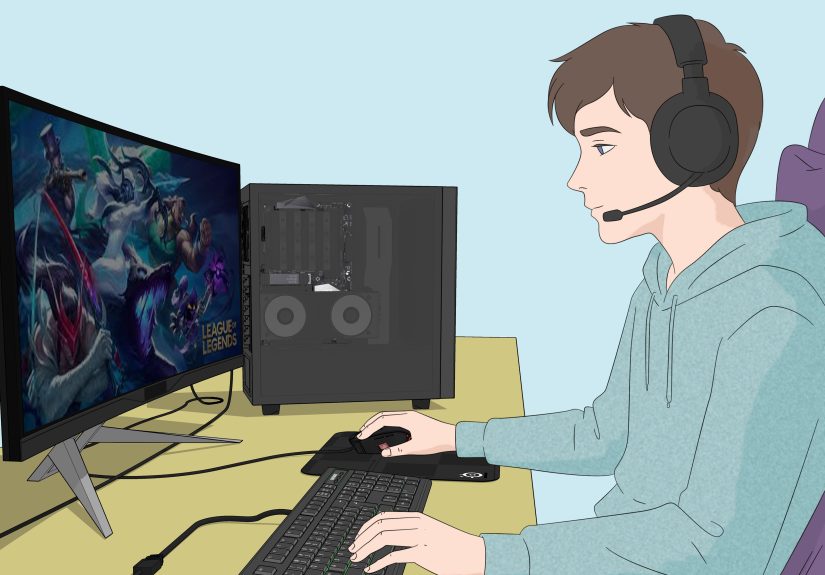
Learning how to play League of Legends can feel like being dropped into a chess match, a dodgeball game, and a group project all at onceexcept everyone is yelling “dragon” and your character is wearing boots that somehow make them better at magic. The good news? League of Legends, often called LoL, is much easier to understand once you break it into simple pieces: pick a champion, play your role, earn gold, destroy towers, win team fights, and eventually smash the enemy Nexus.
This beginner-friendly League of Legends guide explains the core rules, the map, champion roles, laning, objectives, items, vision, team fighting, and practical habits that help new players improve without melting their keyboard. Whether you are brand new to MOBAs or returning after a long break, this guide will help you step onto Summoner’s Rift with a plan instead of pure panic.
What Is League of Legends?
League of Legends is a five-versus-five multiplayer online battle arena game. Two teams battle on a map called Summoner’s Rift, and the main goal is simple: destroy the enemy team’s Nexus before they destroy yours. The Nexus is the glowing structure inside each team’s base. It is protected by towers, inhibitors, minions, and five enemy players who would strongly prefer that you leave their shiny crystal alone.
Each player controls one champion. Champions have unique abilities, strengths, weaknesses, and jobs. Some are tanks who start fights and soak damage. Some are marksmen who deal steady damage from range. Some are mages who burst enemies with spells. Others are assassins, fighters, enchanters, or supports who protect teammates, control vision, and set up plays.
The Basic Controls Every New Player Should Know
Before worrying about advanced strategy, get comfortable with the controls. You move your champion by right-clicking on the ground. You attack enemies by right-clicking them. Most champions use abilities on the Q, W, E, and R keys. The R ability is usually the ultimate, a powerful spell with a longer cooldown. Your champion also has a passive ability that works automatically.
You also choose two summoner spells, commonly placed on D and F. Popular spells include Flash, Heal, Ignite, Teleport, Smite, and Ghost. Flash is especially important because it lets your champion instantly blink a short distance. In beginner terms, Flash is the “oops button.” Use it to escape danger, chase a low-health enemy, or dodge a fight-ending ability.
Understanding Summoner’s Rift
Summoner’s Rift has three lanes and a jungle area between them. Minions automatically walk down each lane and fight enemy minions. Towers defend each lane and attack enemies who get too close. The jungle contains neutral monsters that give gold, experience, buffs, or team-wide advantages when defeated.
Top Lane
Top lane is often home to fighters, tanks, and bruisers. It is a long lane where one-on-one duels matter. Top laners usually need patience, map awareness, and the emotional strength to survive being ignored by everyone until a giant team fight suddenly depends on them.
Jungle
The jungler does not stay in a lane. Instead, they clear jungle camps, help teammates through ganks, and secure neutral objectives like dragons and Baron Nashor. Jungle is one of the most strategic roles because it influences the whole map. It is also the role most likely to receive blame from teammates, even when someone loses a duel under the enemy tower at level two. Stay strong, junglers.
Mid Lane
Mid lane is the shortest lane and sits in the center of the map. Mages and assassins often play here because they can quickly move to other areas. A good mid laner clears waves, pressures the opponent, and roams to help top, bot, or jungle fights.
Bot Lane
Bot lane usually includes a marksman, often called an ADC, and a support. The marksman focuses on farming gold and scaling into a major damage threat. Early on, they may feel fragile. Later, if protected well, they can shred towers, tanks, and enemy dreams.
Support
Support helps the bot laner survive, controls vision, protects teammates, and starts or stops fights. Supports may not always have the most gold, but they can decide games with one good ward, one perfect crowd-control ability, or one brave decision to save the carry from certain doom.
How to Win a League of Legends Match
Winning is not just about getting kills. Kills help, but League is an objective-based game. You win by turning advantages into map pressure. That means destroying towers, taking dragons, controlling Baron, breaking inhibitors, and finally destroying the Nexus.
A common beginner mistake is chasing kills across the map while minions destroy your towers. A better habit is to ask, “What can we take after this?” If your team wins a fight near dragon, take dragon. If you kill the enemy bot lane, hit the tower. If you win a late-game fight, push waves and threaten Baron or the Nexus. Kills are useful because they create time and space. Objectives are how you cash the check.
Choosing Your First Champion
When you are new, do not try to master every champion immediately. League has many champions, and each one has a different kit. Pick a small champion pool so your brain can focus on the game instead of asking, “Wait, what does this button do?” every thirty seconds.
Beginner-friendly champions often have simple abilities and clear goals. For top lane, Garen teaches trading, durability, and basic fighting. For mid lane, Annie helps beginners learn burst damage and ability timing. For bot lane, Ashe teaches positioning, kiting, and map utility. For jungle, Warwick or Amumu can help players understand clearing camps and starting fights. For support, Lux, Soraka, Leona, or Sona can teach different styles such as poke, healing, engage, and protection.
The Laning Phase: Your First Big Lesson
The early part of the game is called the laning phase. During this time, your main job is to earn gold and experience while avoiding unnecessary deaths. The most reliable way to earn gold is by last-hitting minions. This means landing the final hit that kills a minion. If a minion dies nearby, you gain experience, but you only get gold if you last-hit it.
Last-hitting may sound boring, but it is one of the most important League of Legends skills. Think of each minion as a tiny walking paycheck. Miss too many, and your opponent gets stronger faster. Practice last-hitting in the Practice Tool or beginner games until it feels natural.
Trading in Lane
Trading means exchanging damage with your lane opponent. A good trade is when you damage the enemy more than they damage you. A bad trade is when you lose half your health to cast one spell that misses so badly it should come with an apology letter.
Trade when your important abilities are ready, when the enemy wastes a spell, or when your minion wave is stronger. Avoid fighting inside a huge enemy minion wave early, because minions deal surprising damage. Yes, those tiny soldiers are petty and organized.
Gold, Items, and Recalling
Gold buys items, and items make your champion stronger. You earn gold from minions, jungle monsters, champion kills, assists, towers, and objectives. To spend gold, you must recall back to base. Recalling takes time, so do it when your minion wave is pushed, when you are low on health or mana, or when you have enough gold for an important item component.
Use recommended items when you are learning. They are not always perfect, but they are good enough for beginners and prevent the classic new-player tragedy of buying random items that look cool but do absolutely nothing for your champion. Later, learn why items work: damage champions want damage stats, tanks want durability, supports want utility, and junglers need tools that help them clear camps and control fights.
Vision: The Skill Beginners Ignore Too Often
Vision wins games. Wards reveal areas of the map, helping you spot enemies before they surprise you. If you keep dying to jungle ganks, the answer is not always “my jungler hates me.” Sometimes the answer is, “I walked into darkness like the main character in a horror movie.”
Use your trinket ward in river bushes, jungle entrances, or objective areas. Supports and junglers often use Oracle Lens to clear enemy wards. Control Wards are useful because they provide lasting vision and deny enemy vision in important zones. Before taking dragon, Baron, or a tower siege, place wards around entrances so your team can see enemies coming.
Objectives: Dragons, Baron, Towers, and Inhibitors
Objectives are the big prizes on the map. Towers protect lanes and must be destroyed to reach the enemy base. Inhibitors sit inside the base; destroying one causes your team to spawn stronger minions in that lane for a limited time, making it easier to pressure the enemy Nexus.
Dragons provide team advantages and force teams to fight around the bottom side of the river. Baron Nashor is a powerful neutral monster that helps teams push lanes and siege towers. Objective timing changes across patches and game modes, so always pay attention to the in-game timer and current rules. The principle stays the same: secure vision first, push nearby lanes, then take the objective when your team has numbers, position, or pressure.
Team Fighting for Beginners
Team fights are where League becomes beautifully chaotic. Abilities fly everywhere, health bars disappear, someone flashes into a wall, and the support somehow gets a triple kill. To survive the madness, know your champion’s job before the fight begins.
If you are a tank or engage support, your job may be to start the fight and absorb damage. If you are an assassin, look for enemy carries who are out of position. If you are a marksman, stay safe and deal consistent damage to the closest threat. If you are a mage, land important spells from a safe distance. If you are an enchanter support, protect your strongest teammate and use shields, heals, or crowd control at the right moment.
A simple beginner rule is this: do not walk past the enemy frontline just to hit the enemy backline unless you are sure you can survive. Many new players lose fights because they chase the “perfect target” and forget that five enemy champions are allowed to hit back.
Communication and Pings
You do not need to type an essay to communicate in League. Pings are faster and usually safer for everyone’s blood pressure. Use pings to warn teammates about missing enemies, request help, signal objectives, or say you are on the way. Good communication helps your team make decisions together.
Keep chat respectful. League is competitive, and mistakes happen constantly. Flaming teammates rarely improves the game. In fact, it usually turns one mistake into five more mistakes and a typing contest. Focus on useful information: summoner spell cooldowns, enemy locations, objective timers, and whether your team should fight or retreat.
Best Game Modes for New Players
New players should start with tutorials, Co-op vs. AI, and beginner-friendly normal modes. Practice Tool is excellent for testing champions, practicing last-hitting, learning jungle clears, and understanding ability ranges without pressure. Swiftplay and normal Summoner’s Rift modes are helpful when you want real games with faster learning.
Ranked should wait until you understand at least one role, several champions, basic warding, objective control, and how not to panic when your lane opponent hits level six first. Ranked is more serious because players are trying to climb, so give yourself time to build confidence before jumping in.
Common Beginner Mistakes to Avoid
Chasing Too Far
Low-health enemies are tempting, but chasing into darkness often gives the enemy team a free kill. If you cannot see their teammates, assume they are nearby, waiting with friendship-ending abilities.
Ignoring Minions
Minions are the foundation of gold income. If you only chase kills and ignore farm, you may fall behind even with a few flashy plays.
Fighting Without Vision
Before major objectives, ward the area. Do not start Baron while the enemy team is missing and your vision looks like someone turned off the lights.
Not Looking at the Minimap
The minimap is your radar. Glance at it often. If the enemy mid laner disappears and you are pushed up in bot lane, danger may be jogging toward you with dramatic music.
Playing Too Many Champions
Trying every champion is fun, but improvement is faster when you focus on a few. Learn one role deeply before trying to become a five-role genius overnight.
How to Improve Faster
Improvement in League comes from repetition and reflection. After a match, ask one simple question: “What was one mistake I can fix next game?” Maybe you missed too much farm. Maybe you forgot to ward. Maybe you fought before buying items. Maybe you used Flash after you were already doomed, which is the League equivalent of locking the door after the raccoon is already in your kitchen.
Watch short guides for your champion, review your deaths, and pay attention to better players in your role. Do not obsess over winning every game. Focus on controllable habits: farming, warding, positioning, recalling at good times, and fighting around objectives. If those improve, wins usually follow.
Beginner Experience: What It Actually Feels Like to Learn League of Legends
The first few games of League of Legends can feel confusing, hilarious, and slightly unfair. You may lock in a champion because they look cool, walk to the wrong lane, press every ability at once, and accidentally Flash under an enemy tower. This is normal. Every experienced player has a graveyard of embarrassing beginner moments. The difference is that veteran players have simply made those mistakes thousands of games earlier and now pretend they were “learning opportunities.”
One of the best experiences as a beginner is finding a champion that finally makes sense. Maybe you play Garen and realize that spinning at enemies is both simple and deeply satisfying. Maybe Ashe teaches you how powerful basic attacks can be when you stand in the right place. Maybe Lux makes you fall in love with long-range skill shots, especially when you land one and immediately feel like a tactical genius. That first champion connection matters because it turns confusion into curiosity.
Another memorable experience is learning that League is not only about mechanics. At first, you may think the best player is the one with the most kills. Then you lose a game where your team had more kills but ignored towers and objectives. That is when the real lesson arrives: League rewards decision-making. A quiet player who farms well, wards properly, and shows up to dragon on time may be more valuable than someone chasing highlight clips across the map.
Playing with friends can make learning much easier. A friend can explain why the jungler is pathing toward dragon, why your support placed a ward in a strange bush, or why everyone suddenly wants to retreat even though nobody is dead yet. Friends also make losses less painful. It is much easier to laugh about a failed tower dive when someone on voice chat admits, “Okay, that was absolutely my fault,” instead of everyone silently judging the scoreboard.
Solo learning has its own rewards too. When you play alone, you start noticing patterns. You learn that pushing the wave without vision is risky. You learn that recalling with enough gold for a strong item feels better than staying in lane at low health. You learn that some enemies are scary early but manageable later. You learn that patience wins more games than panic.
The most satisfying beginner milestone is the first game where things slow down mentally. You are no longer just reacting. You know your lane matchup, you check the minimap, you ward before pushing, you save your crowd control for the right target, and you help your team take an objective after a fight. You may not carry the whole match, but you feel useful. That feeling is the real beginning of learning League.
Expect frustration, but do not let it become the main character. League has a steep learning curve because it combines mechanics, strategy, teamwork, timing, and emotional control. Some games will be messy. Some teammates will make baffling decisions. Some opponents will make you wonder if they were built in a laboratory. Keep your focus narrow: improve one skill at a time. Today, farm better. Tomorrow, ward better. Next week, learn objective timing. Over time, the chaos starts to look like a game you can actually readand eventually, one you can win on purpose.
Conclusion
Learning how to play League of Legends is a journey from “Why is everyone pinging me?” to “Group mid, dragon in thirty seconds.” Start with the basics: understand the map, choose one role, practice a few beginner-friendly champions, farm consistently, ward dangerous areas, and fight around objectives. You do not need perfect mechanics to enjoy League. You need curiosity, patience, and the ability to laugh when your first big play turns into a scenic tour of the enemy fountain.
The best way to improve is to play with purpose. Each match should teach you something: better last-hitting, smarter recalls, safer positioning, cleaner team fights, or stronger objective control. League is deep, competitive, and sometimes ridiculous, but that is exactly why millions of players keep returning to Summoner’s Rift. Learn the fundamentals, respect the map, and remember: destroying the Nexus is always better than chasing one more kill into the fog of war.