Table of Contents >> Show >> Hide
- Know Your Damage First: The 4-Level Dog Claw Reality Check
- Tools and Materials: Build a Smart Repair Kit
- Step-by-Step: How to Repair Dog Damage to Wood Flooring
- Common Mistakes That Make Dog Scratch Repairs Look Worse
- Prevention Plan: How to Stop Repeat Dog Damage
- When to Call a Pro
- 500-Word Experience Section: Real-World Lessons from Dog Owners and Flooring Pros
- Conclusion
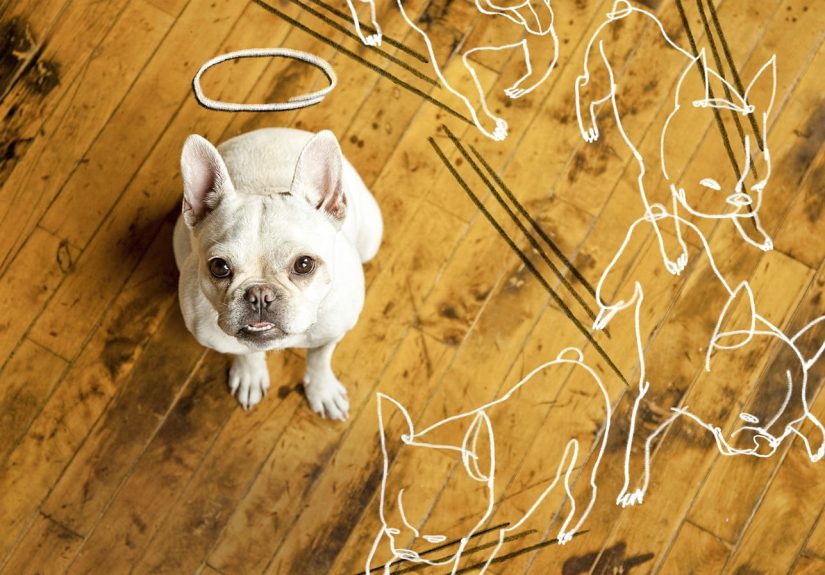
Dog owners already know the truth: your pup is either an angel in a fur coat or a tiny demolition crew with zoomies.
Either way, wood floors eventually tell the storylight claw trails, deeper gouges near doors, cloudy finish where water bowls live, and mystery scuffs that appear overnight like tiny crop circles.
The good news? Most dog-related floor damage is repairable without replacing the whole floor. The better news?
If you diagnose the damage correctly, you can fix it faster, make it blend better, and avoid turning a 30-minute touch-up into a weekend-long sanding marathon.
This guide walks you through practical, real-world methods for repairing dog damage to wood flooringplus prevention strategies that actually work in busy pet homes.
Know Your Damage First: The 4-Level Dog Claw Reality Check
Before you grab supplies, classify the damage. This is the step most people skip, and it’s why many repairs look worse the next day.
Level 1: Surface scuffs (finish only)
You can see marks in reflected light, but you can’t feel much depth with your fingernail. These are usually in the finish layer, not the wood itself.
Level 2: Light scratches (through some finish)
Faint lines are visible at normal standing height. You may feel a slight catch with a fingernail. Color often still matches the floor overall.
Level 3: Deep scratches and small gouges (into wood fibers)
Your nail clearly catches. You may see lighter raw wood. These need filling, color correction, and resealing.
Level 4: Widespread wear, repeated claw traffic, or moisture damage
Hallways, corners, feeding zones, and patio doors look dull or heavily scratched across larger areas. Spot repair may look patchy; recoating or refinishing is often the better route.
Tools and Materials: Build a Smart Repair Kit
You don’t need a contractor truck full of gear. You need the right kit for your damage level:
- Microfiber cloths and hardwood-safe cleaner
- Touch-up marker or blending pencil matched to floor tone
- Tinted wax stick (for minor to moderate scratches)
- Fine sandpaper (220 grit for local blending)
- Stainable wood filler + putty knife (for deep gouges)
- Color-matching stain pen (if filler needs tint correction)
- Compatible topcoat (often polyurethane) for sealing repaired areas
- Painter’s tape to isolate repair zones
- Vacuum with hard-floor setting (no aggressive beater bar)
- Nitrile gloves and good room ventilation
Pro tip: color mismatch is the #1 reason DIY repairs look obvious. Always test marker, filler, and finish in a hidden area first.
Step-by-Step: How to Repair Dog Damage to Wood Flooring
Step 1: Clean, dry, and inspect in bright angled light
Dust and grit hide true depth and can cause new scratches while you work. Clean the area with a hardwood-safe product, let it dry fully, then inspect from multiple angles.
If you skip this, every repair product sticks to dirt first and wood second.
Step 2: Fix Level 1 and Level 2 scratches fast
For light damage, start with the least invasive method:
- Use a matching touch-up marker, following the grain direction.
- Let it dry completely before evaluating color.
- If needed, apply a second thin passnot a heavy first coat.
- Buff gently with a clean microfiber cloth.
If the scratch is visible but shallow, a tinted wax stick can improve blending. Fill the line, buff excess, and feather into surrounding finish.
On satin floors, over-buffing can create shiny “repair halos,” so keep pressure light.
Step 3: Repair Level 3 deep scratches and gouges
Deep claw marks need structure and color restoration. Here’s a reliable sequence:
- Prep: Clean and isolate the area with painter’s tape.
- Fill: Press stainable wood filler into gouges with a putty knife. Slightly overfill.
- Dry: Let filler cure fully according to label directions.
- Level: Sand lightly with 220 grit until flush with surrounding floor.
- Color: Apply stain pen or blending marker to match adjacent wood tone.
- Seal: Apply thin compatible topcoat to lock the repair and restore protection.
Keep coats thin. One thick coat tends to flash differently (looks shinier/duller) than the rest of the floor. Two thin coats with full dry time usually blend better than one heavy application.
Step 4: Handle Level 4 damage with strategy, not panic
If you have broad zones of wear (hallways, turning spots, door approaches), do not chase every scratch individually.
It becomes patchwork and often looks worse than before. Better options:
- Screen-and-recoat for mostly finish-level wear across a room.
- Full refinish when scratches are deep, frequent, and widespread.
- Professional assessment if boards are cupped, split, or moisture-stained.
For heavy sanding projects, remember engineered wood has a thinner wear layer than solid hardwood, so aggressive sanding can remove too much material.
Step 5: Respect drying and cure windows
Many repairs fail because paws return too early. “Dry to touch” is not “ready for traffic.”
Follow product cure times, block pet access, and keep airflow steady. If needed, create a temporary no-dog lane using gates.
Common Mistakes That Make Dog Scratch Repairs Look Worse
- Using too much water: Moisture can swell wood fibers and weaken finish over time.
- Using harsh cleaners: Acidic or aggressive products can dull or strip protective coatings.
- Skipping color tests: Wrong undertone stands out immediately once sealed.
- Sanding across grain: Creates visible haze and micro-scratch patterns.
- Mixing incompatible finishes: Some topcoats won’t bond well over unknown existing products.
- Overusing steam: Heat + moisture can stress some wood floor finishes and seams.
If your floor already has mystery layers from past DIY fixes, do a small hidden compatibility test before any visible-area repair.
Prevention Plan: How to Stop Repeat Dog Damage
Repair is good. Preventing a sequel is better. Use this maintenance system:
1) Nail routine that’s actually sustainable
Keep nails trimmed and edges smooth. Frequent tiny trims are easier than occasional major trimsfor both dog and human nerves.
2) Dirt control at entry points
Grit behaves like sandpaper under paws. Place mats at every entrance and clean them often. This is one of the highest-impact, lowest-cost fixes.
3) Traffic armor in zoomie lanes
Use runners in hallways, around corners, and between favorite launch points (couch to window, bed to door, door to kitchen).
Choose breathable pads suitable for hardwood so moisture doesn’t get trapped.
4) Floor-safe cleaning routine
Dust frequently with microfiber, clean with hardwood-specific products, and avoid soaking the floor.
The goal is clean and protectednot squeaky clean but stripped.
5) Humidity discipline
Wood behaves better in stable indoor conditions. Large swings in humidity can exaggerate gaps, movement, and finish stress, making scratches more visible.
6) Food and water station protection
Put waterproof mats under bowls. Wipe splashes quickly. Chronic moisture + claws is a rough combo for finish longevity.
When to Call a Pro
DIY works beautifully for many repairs, but call a flooring professional when:
- You have extensive deep gouging across multiple rooms
- Previous repairs are uneven, discolored, or peeling
- Boards are loose, cupped, or moisture-damaged
- Your floor is engineered and you’re unsure how much sanding remains
- You need a uniform finish across a large visible area
A pro can evaluate whether you need localized board replacement, screen-and-recoat, or full refinishingsaving you from expensive guesswork.
500-Word Experience Section: Real-World Lessons from Dog Owners and Flooring Pros
In real homes, dog-related floor damage is rarely one dramatic event. It’s usually a slow-motion pattern: a little claw wear near the back door, repeated pivots at hallway corners, and surface dullness where a high-energy dog launches toward a squirrel that has committed the crime of existing. The homeowners who get the best outcomes tend to do three things early: identify damage type correctly, repair in small stages, and lock in prevention fast.
One common experience: owners see light claw marks and assume full refinishing is necessary. In many cases, it isn’t. A careful cleaning, accurate color marker, and light buffing restore appearance enough that damage is only visible under strong side lighting. The emotional impact of that result is big. People move from “my floor is ruined” to “my floor is lived-in but still beautiful.” That mindset shift matters because it leads to smarter maintenance instead of panic spending.
Another pattern shows up with medium scratches. Many homeowners use filler too early when a wax stick or marker would have blended better. Overfilling shallow lines creates tiny ridges that catch light and attract dirt. Experienced contractors often start with the least invasive method and only escalate when the scratch truly breaks wood fibers. This staged approach saves time and avoids the patchy “spot-repair quilt” look.
Deep gouges create the steepest learning curve. The most frequent DIY mistake is rushing dry times. Repairs look perfect at midnight, then sink slightly by morning because filler wasn’t fully cured before sanding and sealing. Pros handle this by planning a two-day window: fill and cure on day one, level/color/seal on day two. It sounds slower, but the final blend looks cleaner and lasts longer.
Homes with multiple dogs often report that prevention changed everything more than any single repair technique. Weekly nail maintenance, entry mats, and hallway runners reduced new scratches dramatically. In families that adopted this trio, “new damage rate” dropped enough that spot fixes stayed manageable instead of snowballing into a whole-house project. The floor stopped losing ground each month.
Moisture is another recurring lesson. Water bowl zones are frequently underestimated. Repeated drips soften finish edges, and then claws turn that softened area into visible wear quickly. Owners who switched to larger waterproof mats and immediate wipe-ups saw fewer cloudy patches and less finish breakdown.
Finally, experienced homeowners learn to embrace realistic perfection. Wood floors in dog homes should look cared-for, not museum-untouched. The winning strategy is not “never get a scratch.” It’s “repair early, blend well, and prevent repeats.” With that approach, floors keep character, dogs keep freedom, and nobody has to choose between a beautiful home and a happy pet.
Conclusion
If you remember one thing, make it this: match the repair to the damage depth. Surface marks respond to cleaning, marker, and buffing.
Deep gouges need filler, light sanding, color correction, and resealing. Widespread wear calls for recoating or refinishing strategynot random spot fixes.
Add a simple prevention routine (trim nails, trap grit, protect high-traffic zones), and your floor can stay gorgeous even in a high-energy dog household.