Table of Contents >> Show >> Hide
- What Is Ascorbic Acid?
- How to Store Ascorbic Acid: 9 Steps
- Step 1: Keep Ascorbic Acid in an Airtight Container
- Step 2: Store It in a Cool Place
- Step 3: Protect It From Moisture
- Step 4: Keep It Away From Direct Light
- Step 5: Avoid Frequent Opening and Closing
- Step 6: Use Clean, Dry Tools Every Time
- Step 7: Label the Container Clearly
- Step 8: Keep It Away From Incompatible Materials
- Step 9: Check for Signs of Spoilage or Degradation
- Best Places to Store Ascorbic Acid at Home
- Should You Refrigerate Ascorbic Acid?
- How Long Does Ascorbic Acid Last?
- Common Mistakes When Storing Ascorbic Acid
- Practical Experiences: What Actually Works When Storing Ascorbic Acid
- Conclusion
- SEO Tags
Ascorbic acid sounds like something that belongs in a laboratory with bubbling beakers and dramatic lighting, but it is simply vitamin C in its pure, powdered form. People use it in kitchens, home canning, skincare formulations, laboratory work, supplement routines, and food preservation. The catch? Ascorbic acid is a little fussy. It dislikes moisture, heat, light, oxygen, and careless scooping with a damp spoon. In other words, it behaves like a tiny powdered diva with excellent antioxidant credentials.
Learning how to store ascorbic acid correctly helps preserve its potency, prevent clumping, reduce oxidation, and keep it safe for its intended use. Whether you bought a small jar for fruit preservation or a bulk bag for formulation work, the same basic rules apply: keep it dry, sealed, labeled, cool, and away from anything that can speed up degradation.
This guide walks you through nine practical steps for storing ascorbic acid at home, in a pantry, or in a small workspace. You do not need a chemistry degree. You just need a good container, a sensible shelf, and the emotional strength to stop leaving the lid half-open.
What Is Ascorbic Acid?
Ascorbic acid is the chemical name for vitamin C, a water-soluble compound known for its antioxidant properties. In powdered form, it is often white to pale yellow, acidic in taste, and easy to dissolve in water. It is used in dietary supplements, food processing, beverage preparation, cosmetics, and laboratory applications.
The same qualities that make ascorbic acid useful also make it sensitive. Because it is a reducing agent, it reacts readily with oxygen and can gradually lose strength when exposed to air, moisture, heat, light, and certain metals. Dry ascorbic acid is generally more stable than dissolved ascorbic acid, but poor storage can still shorten its useful life.
How to Store Ascorbic Acid: 9 Steps
Step 1: Keep Ascorbic Acid in an Airtight Container
The first rule of ascorbic acid storage is simple: close the container tightly every time. Air exposure invites oxygen into the container, and oxygen can accelerate oxidation. Over time, oxidation may reduce potency and cause changes in color, texture, or smell.
If the original packaging is sturdy, resealable, and moisture-resistant, you can keep using it. If the package is a thin pouch that never seals quite right, transfer the powder to a clean, dry, airtight container. Amber glass jars, food-grade plastic bottles, or laboratory-style screw-cap containers can work well.
Avoid containers with loose lids, decorative cork tops, or cracked seals. They may look charming on a kitchen shelf, but ascorbic acid is not auditioning for a farmhouse magazine spread. It wants protection.
Step 2: Store It in a Cool Place
Heat speeds up many chemical reactions, including the degradation of vitamin C. For most household uses, room temperature storage is acceptable when the product label allows it, but “room temperature” should mean a consistently cool indoor place, not a cabinet above the stove.
Choose a pantry, cupboard, drawer, or storage cabinet away from ovens, dishwashers, radiators, sunny windows, and hot appliances. A temperature range around normal indoor conditions is usually suitable for dry ascorbic acid, but always check the manufacturer’s label. Some specialty or laboratory-grade products may list a recommended range.
Do not store ascorbic acid in a garage, attic, shed, or car unless you enjoy turning useful powder into a chemistry experiment with no clear ending.
Step 3: Protect It From Moisture
Moisture is one of the biggest enemies of powdered ascorbic acid. Even a little humidity can cause clumping, caking, discoloration, or faster breakdown. Once water enters the container, the powder becomes more vulnerable because dissolved vitamin C is less stable than dry vitamin C.
Keep the container away from sinks, steam, humid bathrooms, laundry rooms, and refrigerator condensation. If you live in a humid climate, consider placing the sealed container inside a second airtight bag or storage box. You may also use a food-safe desiccant packet if it came with the product or if the manufacturer confirms it is appropriate.
Never scoop ascorbic acid with a wet spoon. Even a “mostly dry” spoon can introduce enough moisture to create clumps. Use a clean, completely dry measuring spoon and close the lid immediately after use.
Step 4: Keep It Away From Direct Light
Light, especially prolonged exposure, can contribute to vitamin C degradation. Clear containers on open shelves may look neat, but they are not ideal for long-term storage. If your ascorbic acid came in an opaque or amber container, keep it there. If you transfer it, choose a dark glass jar or store the container inside a closed cupboard.
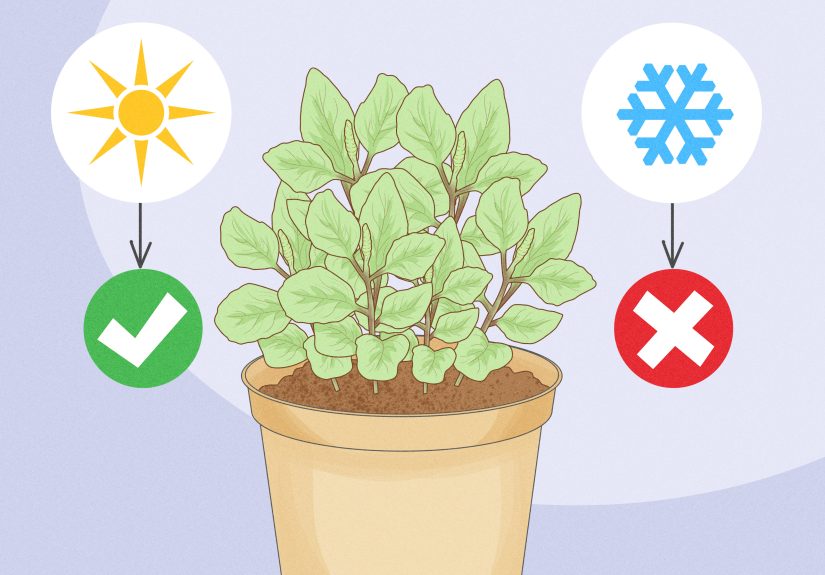
Sunlight is especially problematic because it brings both light and heat. A sunny kitchen windowsill may be perfect for basil, but it is not a spa retreat for ascorbic acid.
If you prepare ascorbic acid solutions, light protection becomes even more important. Solutions tend to degrade faster than dry powder, so store them in clean, tightly closed, light-resistant containers and use them promptly according to the recipe, protocol, or product guidance you are following.
Step 5: Avoid Frequent Opening and Closing
Every time you open the container, fresh air and humidity can enter. This does not mean you need to treat ascorbic acid like a museum artifact, but it does mean smart portioning helps.
If you bought a large quantity, divide it into smaller containers. Keep one small “working jar” for regular use and leave the bulk supply sealed until needed. This reduces repeated exposure and helps the main supply stay fresher longer.
For example, if you use ascorbic acid weekly for preventing cut apples from browning, place a small amount in a labeled pantry jar and keep the rest in a sealed container in a cool, dark cabinet. Your future self will thank you, probably while eating better-looking apple slices.
Step 6: Use Clean, Dry Tools Every Time
Good storage is not only about where the container sits. It is also about how you handle the powder. Use a clean, dry spoon, scoop, or spatula each time. Do not dip fingers into the container. Do not return unused powder to the original jar after it has touched food, liquid, skin, or a work surface.
Cross-contamination can introduce moisture, oils, microbes, or other substances. This matters especially if the ascorbic acid is used for food, supplements, skincare, or lab work. A tiny bit of contamination may not look dramatic, but storage problems usually begin quietly before they become obvious.
Keep a dedicated scoop inside the container only if it is dry and the container has enough space to close tightly. Otherwise, store the scoop separately in a clean bag or drawer.
Step 7: Label the Container Clearly
If you transfer ascorbic acid from its original package, label the new container immediately. Include the product name, purchase date, transfer date, lot number if available, expiration or best-by date, and intended use.
This step is especially important because many white powders look suspiciously similar. Ascorbic acid, citric acid, baking soda, powdered sugar, and cornstarch should not be part of a guessing game. The kitchen is not a game show, and “mystery powder” is not a category anyone needs.
A proper label also helps you rotate stock. Use older product first, and avoid mixing old and new batches in the same container unless the manufacturer says it is fine. Keeping batches separate makes it easier to track quality and freshness.
Step 8: Keep It Away From Incompatible Materials
Ascorbic acid can react with some metals and may be affected by contact with reactive surfaces or impurities. For storage, avoid metal containers unless they are specifically designed and approved for chemical or food storage. Glass and suitable food-grade plastic are usually more practical choices for household use.
Also keep ascorbic acid away from strong oxidizing agents, household cleaners, bleach, and unknown chemicals. If you store it in a workshop, laboratory, or utility room, give it its own safe space. Do not place it beside cleaning products or anything with strong fumes.
For food or supplement use, keep it in a food-safe area. For lab use, follow the safety data sheet and your workplace procedures. The main idea is simple: store it with compatible materials, not next to things that belong in a hazard-symbol parade.
Step 9: Check for Signs of Spoilage or Degradation
Before using stored ascorbic acid, inspect it. Fresh ascorbic acid powder is usually white or nearly white. Some slight variation may occur depending on grade and manufacturer, but noticeable yellowing, browning, strong odor, wet clumps, or unusual texture can suggest moisture exposure or degradation.
Clumping alone does not always mean the product is unsafe, but it does mean moisture may have entered. If the powder has changed color, smells odd, or was stored in poor conditions, replace it. When ascorbic acid is used for supplements, food preservation, cosmetics, or precise formulations, potency matters.
Follow the expiration date or retest date on the label. If the product is past its date, it may still look normal but may not perform as expected. For critical uses, do not rely on appearance alone.
Best Places to Store Ascorbic Acid at Home
The best storage location is cool, dry, dark, and stable. A pantry shelf inside a sealed container is often ideal. A kitchen cabinet can also work if it is not near the stove, sink, dishwasher, or sunny window.
A bedroom closet or interior storage cabinet may be better than a kitchen if your kitchen gets hot and humid. If you live in a tropical or coastal climate, double protection is helpful: an airtight primary container placed inside a secondary sealed box or zip-top bag.
Avoid bathrooms. They are humid, steamy, and full of temperature swings. Bathrooms are great for towels and dramatic mirror speeches, but not for storing moisture-sensitive powders.
Should You Refrigerate Ascorbic Acid?
Refrigeration is not always necessary for dry ascorbic acid powder unless the product label recommends it. In some cases, refrigeration can create condensation when the container is opened and closed, especially if you take a cold jar into a warm, humid room.
If you do refrigerate it, keep the container tightly sealed and let it warm to room temperature before opening. This helps reduce condensation inside the container. For most household users, a cool, dry cabinet is simpler and safer than casual refrigeration.
Prepared ascorbic acid solutions are different. Once dissolved in water or another liquid, vitamin C is more vulnerable to degradation. Follow the recipe or protocol, refrigerate if instructed, protect from light, and use the solution within the recommended timeframe.
How Long Does Ascorbic Acid Last?
The shelf life depends on the product grade, packaging, storage conditions, and manufacturer. Unopened ascorbic acid stored correctly may remain useful until its labeled expiration or best-by date. Once opened, it is more exposed to air and humidity, so careful handling becomes more important.
Do not judge shelf life only by the calendar. A jar opened often in a humid kitchen may degrade faster than a sealed jar stored in a cool, dark pantry. The best approach is to buy amounts you can use within a reasonable time, keep the container closed, and avoid bulk purchases unless you truly need them.
Common Mistakes When Storing Ascorbic Acid
Leaving the Lid Loose
A loose lid allows air and humidity to enter. Always close the container firmly after each use.
Using Wet Measuring Spoons
Wet spoons are a fast route to clumps. Keep all tools dry.
Storing It Near Heat
Cabinets above ovens, stovetops, and dishwashers often get warm. Choose a cooler location.
Keeping It in Clear Containers on Open Shelves
Light exposure can reduce quality over time. Use opaque packaging or closed cabinets.
Forgetting to Label Transferred Powder
Never rely on memory when storing white powders. Labels prevent confusion and mistakes.
Practical Experiences: What Actually Works When Storing Ascorbic Acid
In real life, ascorbic acid storage is less about perfection and more about building habits that are easy to repeat. The most successful setup is usually boring in the best possible way: a small airtight jar for daily use, a larger sealed container for backup, and both stored in a cool, dark cabinet. No fancy gadgets, no complicated system, no tiny laboratory coat required.
One practical experience many home users notice is that powder stored in a kitchen cabinet near steam tends to clump faster. Even if the lid seems closed, repeated exposure to humid air from boiling pasta, dishwashing, or hot tea can affect texture. Moving the container to a pantry shelf or interior closet often makes a big difference. The powder stays looser, pours more easily, and looks fresher for longer.
Another useful habit is portioning. If you buy ascorbic acid in a one-pound or larger bag, do not open the big bag every time you need a teaspoon. Transfer a small amount to a dry, labeled jar and seal the rest tightly. This is especially helpful for people who use ascorbic acid for fruit preservation, homemade beverages, or occasional baking projects. The working jar handles daily exposure, while the backup supply stays protected.
People who use ascorbic acid in skincare experiments often learn another lesson quickly: solutions do not behave like dry powder. A freshly mixed vitamin C solution may look clear and bright at first, but it can oxidize faster than expected if left in a clear bottle or stored in a warm bathroom. The better approach is to mix small batches, use clean equipment, choose dark containers, and avoid pretending that a month-old homemade solution is still at peak performance just because it has not grown legs and walked away.
For food use, labeling is more valuable than it sounds. A neat label with the date opened and intended use prevents confusion later. This is particularly important if your pantry contains citric acid, baking powder, cream of tartar, or other white powders. Ascorbic acid has a sharp acidic taste, but taste-testing mystery powders is not a storage strategy. It is a dare, and not a smart one.
Humidity control can also be surprisingly important. In dry climates, an airtight jar may be enough. In humid climates, a secondary sealed bag or container adds extra insurance. Some users keep the original container inside a larger airtight food storage box with other moisture-sensitive ingredients. The goal is to reduce how often humid air reaches the powder.
The final experience-based tip is to buy the right amount. Bulk pricing can be tempting, but ascorbic acid is only a bargain if you can store and use it before quality declines. For occasional use, a smaller container may be smarter than a giant bag that sits around for years. Fresh, well-stored powder beats forgotten bargain powder every time.
Conclusion
Storing ascorbic acid correctly is not complicated, but it does require consistency. Keep it airtight, dry, cool, dark, and clearly labeled. Use clean tools, avoid moisture, protect it from heat and light, and inspect it before use. If you prepare ascorbic acid solutions, treat them as more fragile than dry powder and use them promptly according to your recipe or instructions.
With the right storage habits, ascorbic acid can stay useful, easy to handle, and ready for its next job, whether that job is keeping fruit from browning, supporting a formulation, or helping you feel like the most organized person in the pantry aisle.
Note: This article is for general storage education. Always follow the label, safety data sheet, or professional instructions for the specific grade and intended use of your ascorbic acid.