Table of Contents >> Show >> Hide
- What Makes a Great Justice League Story?
- Justice League Adaptations Ranked
- Justice League Members Ranked by Importance
- Most Common Justice League Fan Opinions
- Why Justice League Rankings Are So Divisive
- Best Justice League Villains Ranked
- Final Ranking Verdict
- Experiences Related to Justice League Rankings And Opinions
The Justice League is not just a superhero team. It is the comic book equivalent of assembling the world’s most overqualified group project: Superman brings hope, Batman brings strategy, Wonder Woman brings leadership, Flash brings snacks and sarcasm, Aquaman brings ocean authority, Cyborg brings tech support, and Green Lantern brings a glowing ring that solves problems unless the plot needs him to struggle.
Since its comic book debut in The Brave and the Bold #28 in 1960, the Justice League has become one of DC’s most recognizable brands. The team has appeared in comics, animated television, direct-to-video movies, video games, theatrical films, and enough fan debates to power the Bat-Signal for a decade. But ranking the Justice League is tricky because fans are not ranking only stories. They are ranking tone, nostalgia, character balance, action, emotional payoff, and whether Batman is written as a genius or simply a very rich man with trauma and excellent cardio.
This article ranks major Justice League versions, explores popular opinions, compares the theatrical and Snyder Cut versions, and breaks down why some adaptations soar while others land like a poorly timed boom tube.
What Makes a Great Justice League Story?
A great Justice League story needs more than famous heroes standing in a dramatic line. The team works best when each member has a clear role and the threat feels big enough to justify bringing together icons who usually headline their own stories.
The best Justice League adaptations usually share five qualities: strong team chemistry, a memorable villain, meaningful character conflict, a sense of mythic scale, and moments that make each hero feel essential. If Superman can solve everything alone in five minutes, the League becomes decorative. If Batman somehow outmuscles gods without preparation, the story becomes accidental comedy. Balance is everything.
Justice League Adaptations Ranked
1. Justice League / Justice League Unlimited
For many fans, the animated Justice League and Justice League Unlimited series remain the gold standard. They understood that the League is not only about spectacle. It is about personalities colliding under impossible pressure.
The animated universe gave us a confident Superman, a fiercely intelligent Wonder Woman, a dryly funny Batman, a heroic John Stewart Green Lantern, a noble Martian Manhunter, a charming Flash, and a complex Hawkgirl. Later, Justice League Unlimited widened the roster and made the DC Universe feel alive. Episodes such as “Starcrossed,” “A Better World,” and “Epilogue” proved that superhero animation could handle betrayal, politics, identity, legacy, and grief without losing its Saturday-morning sense of adventure.
Opinion: This is the best Justice League adaptation because it respects every member. Nobody feels like a background decoration. Even the lesser-known heroes get moments that make viewers say, “Wait, why do I suddenly care deeply about The Question?”
2. Zack Snyder’s Justice League
Zack Snyder’s Justice League is not a casual watch. At over four hours, it is less “movie night” and more “clear your schedule, hydrate, and emotionally prepare.” Yet it earns its high ranking because it finally gives the team room to breathe.
The 2021 version greatly improves Cyborg’s arc, restores a more mythic tone, expands the threat of Darkseid, and makes the resurrection of Superman feel more consequential. Ray Fisher’s Victor Stone becomes the emotional center of the story, while Flash gets a climactic moment that is genuinely thrilling. The movie is indulgent, yes, but it is also coherent in a way the theatrical cut often is not.
Opinion: The Snyder Cut is not perfect. It is long, sometimes too solemn, and occasionally behaves as if slow motion is a legal requirement. But as a Justice League story, it has vision, emotional weight, and a stronger sense of purpose.
3. Justice League: The New Frontier
Justice League: The New Frontier is one of the smartest animated Justice League films because it treats the team as part of a larger cultural moment. Set against a mid-century backdrop, it explores fear, paranoia, heroism, and the uneasy relationship between power and public trust.
Its retro style gives the story a distinct personality. Instead of simply asking, “Can the heroes punch the monster?” it asks, “Why does the world need heroes at all?” That question is central to the Justice League myth.
Opinion: It is not the flashiest Justice League movie, but it is one of the most thoughtful. It feels like a love letter to DC’s Silver Age with a modern brain attached.
4. Justice League: Doom
Justice League: Doom succeeds because it uses one of the most fascinating ideas in DC history: Batman has contingency plans for defeating his teammates. Naturally, this raises an important question: is Batman the world’s greatest detective or the world’s most dramatic coworker?
The story works because it creates conflict within the League without making anyone look foolish. Batman’s paranoia is understandable. The team’s anger is also understandable. That tension makes the film more than a simple action piece.
Opinion: This is one of the most rewatchable animated Justice League films. It has a strong premise, a clean pace, and enough moral tension to fuel a dozen fan arguments.
5. Justice League: The Flashpoint Paradox
Although The Flashpoint Paradox is more Flash-centered than League-centered, it belongs in the conversation because it shows how broken the DC Universe becomes when its central heroic balance collapses. Wonder Woman and Aquaman are terrifying in this timeline, Superman is absent from public life, and Batman is not Bruce Wayne.
The film is intense, violent, and emotionally sharp. It reminds viewers that the Justice League is not just a team; it is a stabilizing force. Remove the right people from the board, and the whole world tilts into disaster.
Opinion: It is not the warmest Justice League story, but it is one of the most impactful. It proves that alternate timelines are fun only until everyone starts committing war crimes in capes.
6. Justice League Action
Justice League Action deserves more credit than it often receives. It is lighter, faster, and more kid-friendly, but it understands the joy of DC superheroes. The episodes are short, energetic, and packed with characters from across the DC roster.
This version does not aim for grand tragedy. It aims for fun. Sometimes that is exactly what the League needs. Not every Justice League story must involve apocalyptic despair, ancient gods, and Batman looking like he has not slept since 1996.
Opinion: It is not the deepest adaptation, but it is charming, accessible, and great for younger fans or adults who want superhero adventure without a four-hour emotional workout.
7. Justice League (2017 Theatrical Cut)
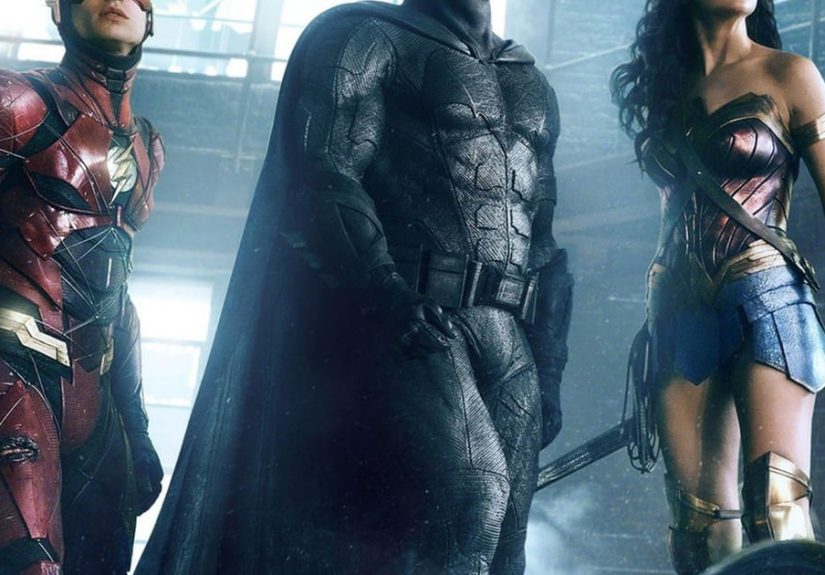
The 2017 theatrical Justice League is one of the most debated superhero movies of the modern era. It has likable moments, a strong cast, and flashes of what could have been a crowd-pleasing team adventure. Gal Gadot’s Wonder Woman brings confidence, Jason Momoa’s Aquaman adds swagger, Ezra Miller’s Flash provides nervous energy, and Ben Affleck’s Batman tries to hold the team together.
The problem is that the film feels stitched together from competing visions. The tone swings from mythic drama to sitcom banter. The villain Steppenwolf lacks impact. Cyborg’s story is underdeveloped. Superman’s return should feel monumental, but the film rushes through it as if someone had a dinner reservation.
Opinion: The theatrical cut is not unwatchable, but it is frustrating. It is a superhero buffet where several dishes are undercooked, one dessert is missing, and someone definitely changed the recipe halfway through.
Justice League Members Ranked by Importance
1. Superman
Superman is the League’s moral sun. He represents hope, restraint, and the belief that power should serve compassion. When Superman is written well, he does not make the team unnecessary. He inspires them to be better.
2. Batman
Batman is the strategist, detective, financier, and professional worrier. He gives the League tactical structure and dramatic tension. His lack of powers makes him vulnerable, but his mind makes him dangerous. Also, someone has to pay for the Watchtower.
3. Wonder Woman
Wonder Woman is the League’s warrior diplomat. She bridges myth and humanity, compassion and combat. In many versions, she is the best natural leader because she combines Superman’s idealism with Batman’s willingness to make hard choices.
4. The Flash
The Flash is the heart and spark of the team. His speed is wildly powerful, but his personality is just as important. He brings humor, empathy, and emotional accessibility to a group that can otherwise become very serious people floating above cities.
5. Green Lantern
Green Lantern expands the League beyond Earth. Whether it is Hal Jordan, John Stewart, Jessica Cruz, or another ring-bearer, the Lantern role connects the team to cosmic law, alien civilizations, and large-scale science fiction storytelling.
6. Cyborg
Cyborg has become increasingly important in modern Justice League stories. His connection to technology, alien systems, and Mother Box mythology makes him essential in many adaptations. When written with care, Victor Stone is not just “the computer guy.” He is a deeply human character wrestling with identity, loss, and transformation.
7. Aquaman
Aquaman is often underestimated by casual viewers, which is hilarious because ruling most of the planet should probably count for something. His best Justice League portrayals emphasize his royal authority, environmental relevance, and physical power.
8. Martian Manhunter
Martian Manhunter is one of the League’s most underrated members. His powers are immense, but his emotional value is even greater. As a survivor of a lost civilization, J’onn J’onzz brings loneliness, wisdom, and quiet dignity to the team.
Most Common Justice League Fan Opinions
The Animated League Is Still the Best
This opinion is popular because the animated series had time to develop relationships. Fans watched the team argue, fail, learn, and grow. The show also gave supporting heroes enough attention to make the DC Universe feel enormous without becoming messy.
The Snyder Cut Is Better Than the Theatrical Cut
This is one of the least controversial opinions among modern DC fans. Even viewers who do not love Snyder’s style often agree that the 2021 version has clearer character arcs, stronger world-building, and a more consistent tone.
Batman Should Not Dominate Every League Story
Batman is popular, but the Justice League becomes less interesting when every solution revolves around him. The team works best when Batman is brilliant but not magically superior to gods, aliens, speedsters, and cosmic warriors.
Wonder Woman Deserves More Leadership
Many fans believe Wonder Woman should lead the League more often. She has battlefield experience, diplomatic training, moral clarity, and the ability to challenge both Superman and Batman. In other words, she is the adult in the room, even when the room is exploding.
Martian Manhunter Should Be in More Adaptations
Leaving Martian Manhunter out of major Justice League stories often feels like removing one of the team’s spiritual pillars. His calm intelligence and alien perspective offer something different from every other member.
Why Justice League Rankings Are So Divisive
Justice League rankings are divisive because fans want different things from DC. Some want bright heroism. Some want mythic seriousness. Some want comic-book weirdness. Some want grounded drama. Some want all of that at once, which is basically asking a movie to juggle flaming batarangs while riding a seahorse.
The Justice League also carries enormous expectations. These are not minor characters. Superman, Batman, and Wonder Woman are cultural icons. When they share the screen, fans expect magic. If the story feels rushed or the villain feels generic, disappointment hits harder than it would with lesser-known heroes.
The best Justice League stories understand that the team is not simply powerful. It is symbolic. The League represents unity across difference: alien and human, god and mortal, king and orphan, scientist and soldier, loner and idealist. The drama comes from making those differences matter.
Best Justice League Villains Ranked
1. Darkseid
Darkseid is the ultimate Justice League villain because he is not just strong. He is ideological. He represents control, despair, and the destruction of free will. A good Darkseid story makes the League fight not only for survival but for the soul of existence.
2. Brainiac
Brainiac works because he challenges the League intellectually and cosmically. He is cold, calculating, and terrifyingly efficient. Against Brainiac, punching is helpful, but thinking is mandatory.
3. Vandal Savage
Vandal Savage is compelling because he has history on his side. His immortality makes him patient, strategic, and arrogant. He is especially effective in stories that connect past, present, and future.
4. Starro
Starro may look like a giant alien starfish, but that is exactly why comic books are wonderful. As the League’s classic first major foe, Starro is bizarre, memorable, and thematically sharp because mind control threatens the individuality that the League protects.
5. Lex Luthor
Lex Luthor becomes especially dangerous when he attacks the League politically rather than physically. He knows how to weaponize public fear, ego, and institutional power. Also, he hates Superman with the dedication of a man who has turned jealousy into cardio.
Final Ranking Verdict
The best Justice League adaptation remains the animated Justice League and Justice League Unlimited era because it captures the team’s scale, warmth, humor, and moral complexity. Zack Snyder’s Justice League earns a strong second place for restoring character depth and mythic ambition. The 2017 theatrical cut ranks lower because it has the ingredients but not the structure to make them shine.
In the end, the Justice League works because it is bigger than one hero. Superman may inspire the dream, Batman may prepare the plan, and Wonder Woman may lead the charge, but the League matters because it turns individual greatness into collective responsibility. That is why fans keep ranking, debating, defending, and revisiting these stories. The Justice League is not just about who wins the fight. It is about whether heroes can stand together when the world is too heavy for one pair of shoulders.
Experiences Related to Justice League Rankings And Opinions
Discussing Justice League rankings often feels less like reviewing entertainment and more like entering a friendly courtroom where everyone has evidence, passion, and at least one extremely specific complaint about characterization. One fan may argue that Justice League Unlimited is unbeatable because it shaped their childhood understanding of DC heroes. Another may insist that Zack Snyder’s Justice League is the definitive version because it gives Cyborg, Flash, and Superman the emotional scale they deserved. A third person may quietly defend the 2017 film because, despite its flaws, it was their first time seeing the League together in live action. None of these opinions are meaningless. They reveal how personal superhero stories can become.
The most enjoyable way to experience Justice League rankings is to watch different versions with different expectations. The animated series rewards patience. It builds character relationships over time, so the emotional payoffs feel earned. The Snyder Cut rewards viewers who like operatic visuals, mythic stakes, and slow-burn character restoration. The theatrical cut works best as a study in how editing, tone, and studio pressure can reshape a story. Animated films like Doom and The New Frontier are ideal for viewers who want compact, idea-driven stories without committing to a full series.
Fan conversations also show how Justice League opinions change with age. Younger viewers may first love Flash because he is funny and fast. Later, they may appreciate Wonder Woman’s leadership or Martian Manhunter’s loneliness. Batman may seem cool because of the gadgets, then fascinating because of his trust issues. Superman may appear too perfect at first, then become more meaningful when viewers understand how difficult kindness can be in a cynical world.
Another common experience is realizing that no single Justice League version satisfies everyone. Some fans want bright colors and classic heroism. Others prefer darker stakes and philosophical conflict. Some want cosmic chaos with Green Lantern mythology. Others want grounded team drama centered on Batman and Superman. This is why rankings remain active years after each release. The Justice League is flexible enough to support many interpretations, but iconic enough that every interpretation is judged intensely.
The best personal approach is to rank Justice League stories by what they are trying to accomplish. If the goal is team chemistry, the animated series wins. If the goal is visual grandeur, the Snyder Cut has a strong case. If the goal is moral debate, Justice League: Doom stands tall. If the goal is historical imagination, The New Frontier deserves praise. A fair ranking does not simply ask, “Which one is best?” It asks, “Which one best understands the Justice League’s purpose?”
That purpose is simple but powerful: impossible people choosing teamwork over isolation. The Justice League reminds viewers that even legends need help. Even gods need trust. Even Batman, despite his best efforts to pretend otherwise, needs friends. That is the emotional engine behind every great Justice League story, and it is why the rankings will never truly end.
Note: This article is an original editorial synthesis based on real Justice League publication history, adaptation history, public reception data, and widely discussed fan opinions. It is written for web publication in standard American English.