Table of Contents >> Show >> Hide
If your bed could talk, it would probably say, “Please stop dressing me in sweaty polyester.”
Enter the linen duvet cover and pillowcases: cool, breathable, perfectly rumpled, and quietly
luxurious. Whether you’re a hot sleeper, a design lover, or just tired of wrestling with
heavy comforters, linen bedding can completely change how your bedroom feels and how well
you sleep.
In this guide, we’ll walk through the benefits of linen duvet covers and pillowcases, how they
compare to other fabrics, what to look for when shopping, and how to care for them so they
stay soft and beautiful for years. We’ll finish with some real-life style and care insights
so you can decide if linen is truly your bedding soulmate.
Why Choose Linen for Your Duvet Cover and Pillowcases?
1. Naturally breathable and moisture-wicking
Linen is made from the flax plant, and its fibers are thicker and more open than many other
textiles. That open weave allows more air to circulate around your body, so heat doesn’t get
trapped under the duvet. At the same time, linen can absorb a high percentage of its own
weight in moisture without feeling damp, then release it back into the air. Translation:
fewer sweaty wake-ups at 3 a.m. and less of that “stuck to the sheets” feeling.
For hot sleepers, this is huge. A linen duvet cover acts like a breathable shell around your
insert, helping regulate the micro-climate in your bed especially helpful in warm or humid
climates and in homes that run warm at night.
2. Year-round temperature regulation
Linen isn’t just a summer fabric. Those same fibers that help you stay cool in July also trap
a bit of warmth in January. Linen insulates by creating tiny pockets of air in the fabric.
In warm weather, excess heat and humidity escape; in cooler months, your natural body heat is
gently held next to your skin without feeling stifling.
That’s why so many people happily use linen duvet covers and pillowcases all year long.
Instead of swapping out your bedding every season, you can layer: a linen duvet with a lighter
insert for summer and a loftier insert or extra blanket in winter.
3. Hypoallergenic and friendly to sensitive skin
Linen’s breathability helps it stay drier than many synthetic or tightly woven fabrics, which
can discourage dust mites, bacteria, and mold. Less trapped moisture and dust means fewer
irritants hanging out in your bedding. That’s good news for anyone with allergies or
sensitive, easily reactive skin.
Combine that with linen’s naturally smooth (but textured) fibers and you get pillowcases that
are gentle on your face while still feeling substantial and cozy.
4. Softens over time, not falls apart
New linen can feel slightly crisp or “nubbly” at first, especially if it hasn’t been
stonewashed. But one of the joys of linen is that it gets softer and more relaxed with every
wash. Instead of thinning out or pilling quickly, a good linen duvet cover actually improves
with age.
That makes linen a smart long-term investment. While the upfront price is often higher than
basic cotton or polyester blends, the cost per year of use can be lower because you’re not
replacing it as often.
5. Effortlessly stylish (wrinkles included)
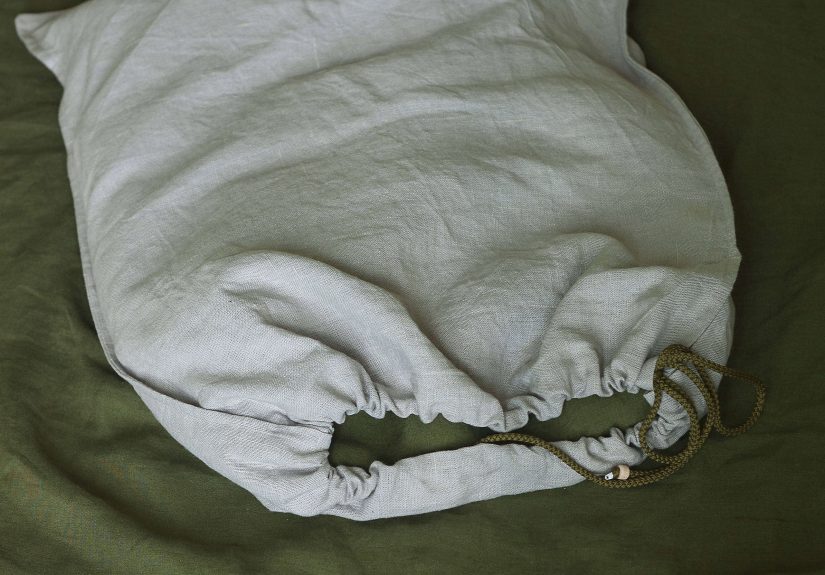
Linen bedding has a very specific look: slightly rumpled, matte, and relaxed. It’s the
opposite of shiny, hyper-crisp hotel sheets and that’s exactly why so many people love it.
A linen duvet cover drapes beautifully over the bed and looks good even when you don’t have
the patience to make every corner perfect.
If you like interiors that feel lived-in, natural, and cozy rather than stiff and formal,
linen duvet covers and pillowcases fit right in. The wrinkles are a feature, not a flaw.
Consider it “pre-approved messiness.”
Linen vs. Other Bedding Fabrics
Linen vs. cotton
Cotton is the default for a lot of bedding and good cotton is wonderful. But linen brings
a different personality to your bed:
- Breathability: Linen generally breathes better than cotton because of its looser weave and thicker fibers.
- Texture: Cotton (especially sateen) feels smooth and silky; linen feels textured and relaxed.
- Durability: Quality linen tends to be extremely durable and long-lasting.
- Look: Cotton gives you a crisp, polished look; linen gives you a soft, casual, “Sunday morning” vibe.
If you overheat easily, live in a warmer climate, or just love a relaxed, natural aesthetic,
linen bedding often wins. If you crave ultra-smooth sheets and a more formal bed, cotton may
still be your favorite and there’s nothing wrong with mixing a linen duvet cover with
cotton sheets.
Linen vs. synthetic blends
Synthetic or microfiber duvet covers may be cheaper, but they usually don’t breathe as well.
They can trap heat and moisture, which isn’t ideal if you want a cool, dry sleep environment.
Linen, by contrast, is a natural fiber, biodegradable, and generally made with fewer
synthetic finishes.
If you’re trying to create a more eco-conscious home and reduce how much time you spend tossing
and turning, trading that polyester cover for linen can be a big upgrade.
How to Choose a Linen Duvet Cover and Pillowcases
1. Don’t obsess over thread count focus on GSM
Thread count is a huge marketing buzzword for cotton, but it doesn’t really apply to linen in
a useful way. Linen fibers are thicker, so you’ll naturally have a lower thread count than
cotton, and that’s fine. Instead, pay attention to GSM (grams per square meter),
which measures fabric weight.
For linen bedding, many brands sit around the 150–190 GSM range. That’s usually a sweet spot
where the fabric feels substantial but still breathable and drapey. Lighter GSM linen will
feel more airy and summery; heavier GSM feels denser and cozier, better for cooler climates
or people who like a weightier feel.
When you’re reading product descriptions, look for:
- GSM info: Anything in the mid range tends to work well for most people.
- 100% linen, often from flax: Many brands highlight “European flax linen” or “French flax linen.”
- Stonewashed or pre-washed: This makes linen softer and more relaxed right out of the package.
2. Check construction details and closures
The design details of your linen duvet cover and pillowcases make a big difference in everyday
use and in how much you swear while making the bed.
- Closures: Duvet covers may use buttons, ties, or zippers. Buttons and ties look more relaxed; zippers are convenient but can be harder to repair if they break.
- Corner ties: Look for ties or loops inside the corners to secure the insert. They help keep your comforter from balling up in one spot.
- Pillowcase style: Envelope closures hold the pillow in place better than open-end designs, especially with softer linen that tends to relax and shift.
3. Colors and style that suit your bedroom
Linen takes dye beautifully in muted, earthy, and neutral tones: think oatmeal, dove gray,
clay, deep forest, or soft blush. Those colors pair well with the fabric’s matte texture and
slightly crinkled surface.
If you like to change your decor often, stick with a neutral linen duvet cover and swap out
pillowcases or throws in seasonal colors. If your bedroom is otherwise simple, a rich,
saturated linen duvet like deep blue or terracotta can become the main statement piece.
4. Sizing and fit
Linen tends to drape generously, but you still want the correct size:
- Match the duvet cover to your insert size (Queen with Queen, King with King) to avoid extra shifting.
- If you like a “hotel overflow” look, some people size up the duvet cover (and insert) by one size for extra overhang on the sides.
- Make sure pillowcase sizes match your pillows; standard, queen, and king pillows all differ in length.
How to Care for Linen Duvet Covers and Pillowcases
1. How often to wash
Pillowcases live right next to your face, so aim to wash them about once a week more often
if you have acne-prone skin, allergies, or sleep with pets. Duvet covers can usually go
one to two weeks between washes, depending on how much you sweat and whether you use a top
sheet or blanket underneath.
You don’t need to baby linen, but keeping a simple washing schedule helps keep the fabric
fresh and your sleep environment clean.
2. Washing linen the right way
Most linen duvet covers and pillowcases can be washed at home. Always double-check the care
label, but these guidelines are common:
- Use cool or warm water: Up to about 104°F (40°C) is typical. Hotter water can cause unnecessary shrinkage and fading.
- Gentle cycle: Linen doesn’t need aggressive agitation to get clean.
- Mild detergent: Avoid harsh detergents and chlorine bleach, which can weaken fibers or cause discoloration.
- Wash similar colors together: Don’t mix dark linen with bright whites in the same load.
Because linen absorbs a lot of water, an extra spin cycle can help reduce drying time and
prevent that heavy, overly wet feel when you pull it from the washer.
3. Drying and ironing (or not)
You can tumble dry linen on low heat or line-dry it. Line drying is gentler on the fibers and
helps maintain color, but many people prefer the convenience of a dryer.
- Low heat: High heat can make linen brittle over time.
- Remove slightly damp: Taking linen out while it’s still a bit damp and laying or hanging it flat helps minimize sharp creases.
- Skip fabric softener: Linen softens naturally with washing; softeners can build up and affect breathability.
As for ironing, it’s completely optional. If you love a sleek, hotel-style look, you can
iron or steam your duvet cover and pillowcases on medium heat. If you prefer that relaxed,
lived-in linen vibe, embrace the wrinkles and call it a design choice.
4. Stain and spot care
Treat stains promptly:
- Blot (don’t rub) fresh spills with a clean cloth.
- Use a gentle, oxygen-based stain remover on tough spots like makeup or body oils.
- Avoid chlorine bleach, which can leave yellowish marks on linen over time.
When in doubt, test any stain remover on a hidden seam first. Once the stain is treated, wash
the whole duvet cover or pillowcase to avoid awkward clean patches.
Who Will Love Linen Duvet Covers and Pillowcases?
Linen bedding isn’t just for design bloggers and boutique hotels. It works especially well for:
- Hot sleepers: If you constantly kick one leg out of the covers, linen’s breathability can help you stay comfortable under the duvet.
- People with sensitive skin or allergies: Less trapped moisture and dust can make your bed feel calmer and cleaner.
- Fans of natural, minimalist decor: Linen’s texture and soft colors help pull together a cozy, uncluttered bedroom.
- Anyone who wants long-lasting bedding: Good linen is built for years of use and only gets better with time.
If you prefer a super crisp, perfectly smooth look every single day and hate wrinkles with a
passion, linen might frustrate you. But if you’re okay with a bit of texture and a relaxed
aesthetic, it might be exactly what your bedroom has been missing.
Everyday Experiences With Linen Duvet Covers and Pillowcases
So what is it actually like to live with linen on your bed? Imagine this: you swap out your
old duvet cover for a new linen set on a Saturday morning. The fabric feels slightly textured
in your hands but not rough, and it drapes over the bed with a soft, weighty fall. By the
time you’ve tucked in the corners and fluffed the pillows, your bedroom already looks more
“put together” even if nothing else has changed.
That night, you climb in and notice that linen doesn’t cling the way some slick or synthetic
fabrics do. There’s a bit of air between you and the duvet cover, so instead of a humid,
sealed-off feeling, you get light, breathable warmth. If your climate is hot or humid, that
difference can be surprisingly dramatic. Many people report that they wake up fewer times at
night feeling overheated once they switch to linen bedding, especially when paired with a
breathable insert.
Over the first few weeks, the set quietly adjusts to your life. With each wash, the duvet
cover and pillowcases relax a little more, softening and losing that initial crispness. The
texture becomes something you notice in a good way it’s cozy when you’re reading in bed,
and it doesn’t feel icy when you slide under the covers on cooler nights.
You also learn small tricks that make daily use easier. Corner ties inside the duvet cover,
for example, suddenly feel non-negotiable after you’ve wrestled your insert into place a few
times and realized how much they keep everything aligned. Envelope-style pillowcases stop
pillows from sneaking out the end, even when you’re a restless sleeper.
On the care side, linen tends to be forgiving. You toss the duvet cover and pillowcases into
the washer on a gentle cycle with mild detergent. Once they’re done, you might run an extra
spin so they’re not dripping wet. Some days you hang them to dry, and the room smells faintly
of clean fabric; other days you use the dryer on low heat because life is busy and laundry
doesn’t care about your schedule.
When you forget to fold them right away, they come out pleasantly rumpled rather than
disastrously creased. If guests are coming and you want the bed to look more polished, a
quick run with a steamer or a fast iron across the top section of the duvet is usually
enough. The rest of the soft folds just look intentional.
There are quirks, of course. Linen can shed a bit of lint in the first few washes, and the
natural wrinkles might take a little mental adjustment if you’re used to ultra-smooth
sateen. But for many people, those trade-offs are more than worth the comfort and style.
Over time, the duvet cover and pillowcases start to feel like a familiar part of your
nightly routine the fabrics you reach for without even thinking because your bed feels
incomplete without them.
In short, living with linen duvet covers and pillowcases tends to shift from “something new
to try” into “why didn’t I do this sooner?” They quietly support better sleep, add warmth
and character to your bedroom, and prove day after day that comfort doesn’t have to look
perfect to feel luxurious.