Table of Contents >> Show >> Hide
- Meet the Maker: Why These Sconces Feel Like Instant Heirlooms
- What Exactly Is a Malin Appelgren Brass Sconce?
- Why Brass, Specifically, Looks So Good on a Wall
- How to Choose the Right Size (Without Regretting It at Night)
- Room-by-Room Styling Ideas (That Don’t Feel Like a Catalog)
- Placement Tips That Make Everything Look Expensive
- Patina, Polishing, and the Great Brass Identity Crisis
- Installation and Candle Safety (Because Fire Is a Strong Design Statement)
- Buying Malin Appelgren Brass Sconces in the U.S.: What to Expect
- Conclusion: The Quiet Flex of Handmade Brass
- Experiences: What It’s Like Living With Malin Appelgren Brass Sconces (About )
Some lighting is here to light your life. Malin Appelgren brass sconces are here to
romance itquietly, warmly, and with the kind of handmade swagger that makes everything else on
your wall look a little… mass-produced.
If you’ve ever looked at a room and thought, “This is nice, but it needs a whisper of candlelit Scandinavian
drama,” you’re in the right place. Malin Appelgren’s brass sconces sit at the sweet spot between art object
and functional glow: hand-hammered, beautifully imperfect, and designed to age with you instead of fighting
time like a botoxed doorknob.
Meet the Maker: Why These Sconces Feel Like Instant Heirlooms
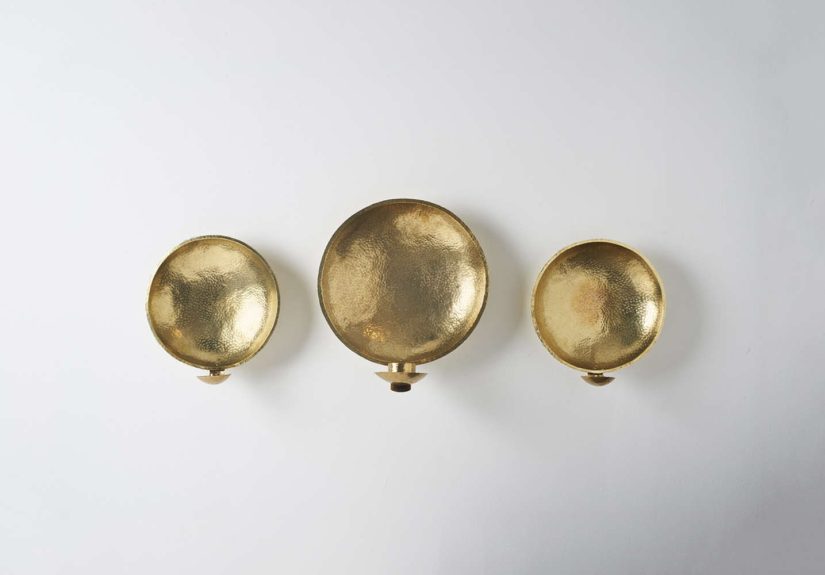
Malin Appelgren is a Swedish craftsperson known for working in brass and pewter, carrying forward a family
tradition that dates back to the early 20th century. The story that gets repeated for good reason:
a “Royal Sconce” design was originally made for Swedish royalty in the 1930s, and Malin continued the tradition,
hammering each sconce by hand.
That “by hand” part matters. In a world where plenty of “brass” finishes are basically a color suggestion,
Appelgren’s work leans into real material, real texture, and real time. You can often see the evidence of the
hammersubtle ripples and depth that catch candlelight like a soft-focus filter for your walls.
What Exactly Is a Malin Appelgren Brass Sconce?
First, a quick translation for anyone whose brain automatically pictures hardwired wall lights:
many Malin Appelgren sconces are candle wall sconcesdesigned to hold a standard taper candle
(and sometimes shipped with one). That’s part of their charm: no electrician, no drywall dust, no “Why are there
four different shades of white paint behind this junction box?” Just mount, add candle, enjoy.
They come in multiple sizes, typically measured by diameter. In the U.S. market you’ll often see a size range
like Small, Medium, Large, and Extra Largeuseful because scale is the difference between “elegant glow” and
“tiny candle saucer lost on a big wall.”
Why Brass, Specifically, Looks So Good on a Wall
Brass is basically the friend who shows up dressed perfectly for the occasion and also somehow makes you feel
better about your choices. It plays well with:
- Warm paint colors (cream, clay, ochre, olive)
- Moody palettes (ink blue, charcoal, deep green)
- Natural materials (wood, linen, stone, leather)
- Vintage and modern spaces (brass is bilingual)
The real magic: brass reflects candlelight with a soft, flattering glow. It’s not a harsh mirror; it’s more like
a gentle amplifier. And if the brass is unlacquered or minimally coated, it will develop patinadarkening,
warming, and evolving in a way that feels lived-in instead of “fresh out of the box forever.”
How to Choose the Right Size (Without Regretting It at Night)
Let’s make sizing painless. Here’s an easy way to think about it:
Small / Medium: For Tight Spots and Repetition
Use smaller sizes when you want a delicate glow or when you plan to repeat sconces down a hallway.
Small-to-medium also works well in:
- narrow entry corridors
- between doorways
- cozy reading nooks
- bedside walls where you don’t want a large disk dominating the view
Large / Extra Large: For Statement Moments
Bigger sizes shine when the wall has space to breathe. Think:
- above a mantel (centered or as a pair)
- flanking a large mirror or art piece
- on a tall stair wall where scale is everything
- in a dining room as “jewelry for the wall”
A practical rule: if your wall is visually “heavy” (tall ceilings, large furniture, big art, wide expanses),
size up. If your wall is “busy” (gallery wall, tight openings, lots of trim), size down.
Room-by-Room Styling Ideas (That Don’t Feel Like a Catalog)
Entryway: The “Welcome Home, You Deserve Nice Things” Glow
A pair of brass sconces in an entry instantly reads intentional. Mount them on either side of a mirror,
a piece of art, or even a simple coat hook wall. If your entry is small, go medium. If it’s a grand foyer,
go large and let them be the first thing your guests notice (besides your impeccable ability to find parking).
Hallway: Soft Light, Big Impact
Hallways love repetition. Spacing fixtures evenly keeps the corridor from feeling like a tunnel.
Many designers use a “roughly 6-foot spacing” idea for wall sconces in hallways as a starting pointthen adjust
for doors, art, and sightlines. With candle sconces, you can be even more flexible because you’re not tied to wiring.
Example: A 18-foot hallway could look balanced with three sconcesone near each end and one centeredespecially if
you want a gentle “path of glow” instead of one bright focal point.
Dining Room: Old-World Atmosphere Without Going Full Castle
Dining rooms are made for candlelight. Place a pair of Malin Appelgren brass sconces on the long wall opposite
windows, or flank a sideboard. They create that layered light designers loveoverhead lighting for function,
wall glow for mood, and table candles if you’re feeling ambitious (or showing off).
Bedroom: Bedside Sconces That Save Nightstand Real Estate
If you’re short on nightstand space, wall sconces are a classic solution. With candle sconces, you get mood
lighting that feels boutique-hotel cozy. For actual reading, consider pairing them with a discreet task light
(or accept that you’ll read one page and then drift into a luxurious nap, which honestly sounds healthy).
Safety note: open flame and sleepy humans can be a chaotic pairing. Many people use high-quality flameless
taper candles to keep the look without the “did I blow it out?” spiral.
Bathroom or Powder Room: Yes, But Be Smart
Traditional bathroom sconce advice often focuses on placing lights around eye level near the mirror to avoid harsh
shadows. With candle sconces in bathrooms, think “spa mood” more than “makeup task lighting.”
Powder rooms are ideal because they’re often used briefly and benefit from a dramatic glow.
Keep candles away from towels, paper products, and anything that might flutter. Again, flameless tapers are your
low-stress best friend.
Placement Tips That Make Everything Look Expensive
Even though these are candle sconces, classic sconce placement principles still help the room feel “right.”
Here are the guidelines designers commonly start with, then tailor:
- Height: often around 60–72 inches from the finished floor (adjust to your ceiling height and what’s on the wall).
- Spacing in a run: commonly about 6 feet apart as a starting point in hallways.
- Clearance: keep a little breathing room from door and window trim so it doesn’t feel crowded.
The most overlooked trick: step back and view the sconces from the angles you’ll actually see them (entering the
room, sitting on the sofa, walking down the hall). If the placement looks perfect only from one spot, it’s not
perfectit’s just photogenic.
Patina, Polishing, and the Great Brass Identity Crisis
Brass finishes inspire strong opinions. Some people want mirror-bright shine. Others want a deep, antique patina
that looks like it has stories (and maybe a minor scandal) baked in. Malin Appelgren brass sconces are particularly
charming when they’re allowed to age naturally.
How to Keep the Patina (A.K.A. Keep the Soul)
If you love the warm, lived-in look, keep it gentle:
- Dust regularly with a soft cloth.
- Use mild soap and water for grime, then dry thoroughly.
- Avoid aggressive acids or abrasives if you’re trying to preserve patina.
How to Make Brass Shine (When You Want “Hello, Sunshine” Energy)
If you want brighter brass, there are classic DIY approaches people useoften involving mild acids like lemon,
vinegar mixtures, or even ketchup (which sounds like a prank until it works). The key is moderation:
test a small area, avoid harsh scrubbing, rinse well, and dry completely.
One more smart step before cleaning any brass object: figure out if it’s solid brass or brass-plated.
A simple magnet test is commonly recommendedsolid brass won’t attract a magnet, while plated items might, depending
on the base metal. (Handmade pieces like Appelgren’s are typically the “real deal,” but the general rule is still useful
in a home full of mixed finishes.)
Installation and Candle Safety (Because Fire Is a Strong Design Statement)
These sconces may not require wiring, but they do require thoughtful mounting and basic safety habits:
- Anchor properly: mount into studs when possible, or use appropriate wall anchors for your wall type.
- Protect the wall: use dripless tapers, a candle cup, or consider flameless tapers to prevent wax mess.
- Give them space: keep them away from curtains, hanging garments, paper, and anything flammable.
- Don’t “set it and forget it”: never leave a real candle unattended. Your sconce is not a slow cooker.
If you love the look of a real flame but want fewer worries, flameless taper candles have gotten surprisingly convincing.
Pick ones with a warm-toned flicker and you’ll still get the vibeminus the fire drill.
Buying Malin Appelgren Brass Sconces in the U.S.: What to Expect
In the U.S., Malin Appelgren brass sconces have been carried by select design retailers and featured by design
publications, sometimes described as exclusive through particular shops. Translation: availability can be limited,
and releases can feel like “blink and they’re gone.”
Practical tips for shopping:
- Measure first: decide your ideal diameter based on wall space and furniture scale.
- Plan pairs: many placements look best in twos (mirror, sideboard, fireplace, bed).
- Think about candles: standard taper sizes, dripless options, or flameless tapers you actually like.
- Embrace variation: handmade means subtle differencesaka the opposite of “factory identical.”
Conclusion: The Quiet Flex of Handmade Brass
Malin Appelgren brass sconces are not trying to be the loudest thing in the room. They’re the kind of detail that
makes a room feel finishedthe warm punctuation mark on a well-edited space. You get story, craft, and a glow
that flatters everything it touches (including your guests, who will suddenly look like they moisturize).
If you want lighting that feels humanmade by hands, meant to age, designed for atmospherethese sconces deliver.
Just add a candle (or a very convincing fake candle) and enjoy the kind of everyday ritual that makes home feel like
a place you actually want to be.
Experiences: What It’s Like Living With Malin Appelgren Brass Sconces (About )
Here’s the funny thing about candle sconces: you don’t “use” them the way you use a ceiling light. You
arrive at them. They become part of your rhythmsmall moments that make your home feel less like a container
for furniture and more like a place with a pulse.
Picture a winter evening. You’ve done the responsible stuff: answered emails, moved laundry from washer to dryer
(which is basically an Olympic event), and reheated dinner. The house is functionalbut still feels a little flat.
Then you light the sconces in the hallway or entry. Suddenly the walls look deeper, the corners feel softer, and the
whole space stops screaming “overhead lighting” and starts whispering “welcome home.”
In a dining room, the experience is even more dramatic. You can keep the overhead fixture off (or dimmed low) and
let the wall glow do the heavy lifting. Conversation slows down. Food looks better. Even leftovers feel like they
have a personal stylist. And if you mount a pair near a sideboard, you’ll notice something oddly satisfying:
the brass doesn’t just reflect lightit gives it a warmer personality. It’s like the difference between a text message
and a handwritten note.
Bedrooms get that “boutique hotel” mood without the hotel part where someone knocks to ask if you want more towels.
With sconces near the bed, the light source sits off to the side instead of blasting your face from above.
If you use flameless tapers, you can click them on and instantly make the room feel calm, even if your day was chaotic.
If you use real candles, it becomes a small ceremony: light, exhale, unplug. The sconce turns “going to bed” into
“ending the day on purpose.”
And then there’s the patina experiencethe long game. At first, the brass looks bright and fresh. Over time, it
deepens. High points catch light; recessed areas mellow. The finish starts to look like it belongs to your home
rather than your home belonging to the finish. If you’re the kind of person who likes character, this is the payoff:
the sconces become yours, subtly marked by time, touch, and candlelight.
The most common “aha” moment people have with pieces like this is realizing that the glow is only half the point.
The other half is the feeling: a home that can switch from practical to beautiful in under a minute. No renovations,
no rewiringjust a warm circle of light on the wall that makes ordinary evenings feel intentionally lived.