Table of Contents >> Show >> Hide
- What Makes This Michaël Verheyden Tray Special?
- The Design Philosophy Behind Michaël Verheyden
- How to Style the Black Oak Serving Tray
- Who Is This Tray For?
- Functionality: Is It Practical?
- Why the Price Reflects More Than Materials
- How It Compares to Ordinary Serving Trays
- Gift Potential: A Serious Design Gift
- Practical Experience: Living With the Michaël Verheyden Black Oak Tray
- Conclusion
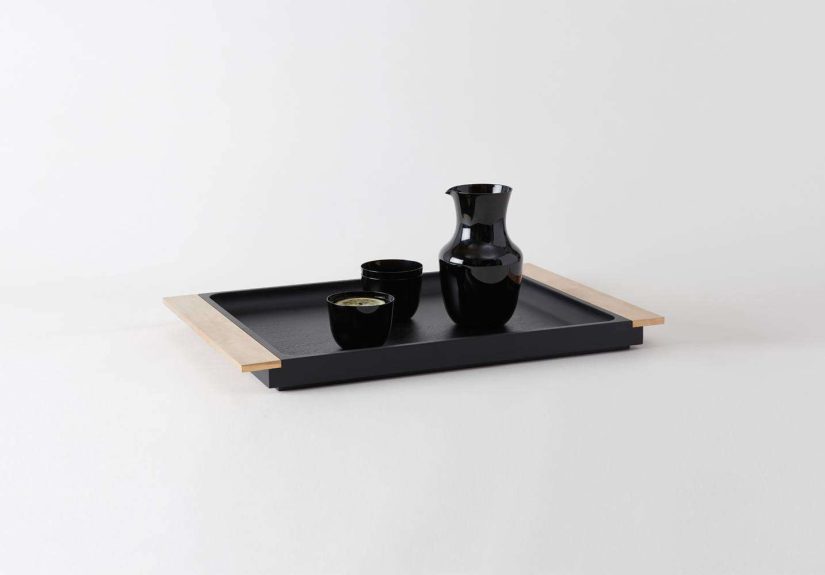
The Michaël Verheyden Black Oak Serving Tray with Brushed Bronze Handles is not the kind of tray that quietly apologizes for taking up space. It has presence. Not flashy presence, like a chandelier trying too hard at brunch, but calm, architectural confidence. It looks like it belongs in a refined kitchen, a moody dining room, a minimalist living space, or anywhere coffee deserves better than being carried on a tray that says, “I came free with a gift basket.”
Designed by Belgian designer Michaël Verheyden, this tray combines black oak with brushed bronze handles, creating a piece that feels both functional and sculptural. It is a serving tray, yes, but also an object of design. It can carry drinks, anchor a coffee table, organize a bar cart, display ceramics, or simply sit there looking painfully elegant while the rest of us wonder whether our coasters are good enough.
At its core, this piece reflects Verheyden’s signature approach: noble materials, quiet forms, expert craftsmanship, and a deep respect for everyday rituals. The result is a luxury home accessory that does not scream. It murmurswith excellent posture.
What Makes This Michaël Verheyden Tray Special?
The first thing to understand is that this is not a mass-market decorative tray dressed up for a photo shoot. The black oak serving tray with brushed bronze handles sits in the world of collectible design, where function and art share the same table and politely pass the butter.
The tray is typically listed as being made in Belgium, with oak and brushed bronze as the primary materials. Retail descriptions commonly place it around 23 inches long and 15 inches wide, though exact measurements may vary slightly by retailer or edition. Some listings describe a similar rectangular oak tray with bronze handles at approximately 23.6 inches long, 15.4 inches wide, and 2 inches high. In practical terms, that means it is large enough for a coffee service, cocktails, appetizers, or a carefully arranged still life of books, candles, and one mysterious object that makes guests ask, “Where did you get that?”
Black Oak: The Drama Without the Drama
Oak is a familiar material, but black oak changes the mood completely. Natural oak can feel casual, warm, and rustic. Black oak, however, feels more architectural. It brings depth and shadow. It works beautifully in modern interiors, especially spaces with stone countertops, matte ceramics, linen upholstery, black metal accents, or warm wood floors.
The beauty of black oak is that it manages to be both bold and restrained. It does not need glossy lacquer or unnecessary ornament. Its appeal comes from proportion, grain, tone, and finish. That is very much in line with Michaël Verheyden’s design language: reduce the noise, respect the material, and let the object breathe.
Brushed Bronze Handles: A Warm Metallic Accent
The brushed bronze handles are where the tray gains its quiet glow. Bronze is warmer than stainless steel and more grounded than bright brass. In a brushed finish, it becomes even more sophisticated because the surface catches light softly rather than reflecting it like a tiny disco ball with a mortgage.
Bronze also develops character over time. Depending on use and care, it may slowly deepen or patinate. For design lovers, that aging process is not a flaw; it is part of the material’s charm. A tray like this is not meant to remain frozen in showroom perfection forever. It is meant to be touched, carried, used, polished, admired, and occasionally rescued from someone who thinks it is fine to place a wet glass directly on wood. It is not fine. We are watching.
The Design Philosophy Behind Michaël Verheyden
Michaël Verheyden is known for creating objects that turn daily rituals into something more thoughtful. His work often uses materials such as marble, leather, bronze, oak, glass, and stone. Rather than over-decorating, he relies on clean forms, proportion, texture, and craftsmanship.
This approach gives the Michaël Verheyden black oak tray its emotional weight. It is simple, but not plain. Minimal, but not cold. Luxurious, but not loud. That balance is difficult to achieve. Many objects try to be minimalist and accidentally become boring. Others try to be luxurious and end up looking like they are auditioning for a yacht catalog. Verheyden’s work lands in the elegant middle: calm, tactile, and deeply intentional.
Everyday Object, Elevated Ritual
A serving tray is one of the oldest household objects. People have always needed a way to move things from one place to another without making five dramatic trips. But in Verheyden’s hands, the tray becomes more than a tool. It becomes part of the ritual of serving.
Think about morning coffee. On an ordinary tray, coffee is caffeine logistics. On a black oak and brushed bronze tray, coffee becomes a small ceremony. The mug sits differently. The spoon looks more considered. Even toast gains confidence. This is the power of good design: it does not change the task; it changes how the task feels.
How to Style the Black Oak Serving Tray
One of the best things about this tray is its versatility. It can move between rooms without looking lost. It is equally comfortable in a kitchen, dining room, living room, bedroom, or home bar. The key is to let the tray’s materials lead the styling.
On a Coffee Table
Place the tray on a coffee table with a low ceramic vase, a stack of design books, a small bowl, and a candle. Because the tray is dark, it creates a visual frame. Lighter objectscream ceramics, pale stone, clear glass, or natural linenstand out beautifully against the black oak. Bronze accents elsewhere in the room, such as a lamp base or picture frame, can echo the handles without making the room look too “matched.” Matching too aggressively is how interiors begin to resemble hotel lobbies with trust issues.
On a Kitchen Island
On a kitchen island, the tray can organize oils, salt cellars, a pepper mill, small bowls, or a coffee setup. It works especially well in kitchens with marble, soapstone, concrete, or wood countertops. The black oak adds structure, while the bronze handles add warmth. If your kitchen is mostly white, this tray brings contrast. If your kitchen is already dark and moody, it fits right in like it has been paying rent there for years.
For Serving Drinks
As a cocktail tray, this piece feels naturally at home. The black oak gives glassware a dramatic backdrop, while the bronze handles make carrying feel secure and intentional. A decanter, two glasses, linen cocktail napkins, and a small bowl of citrus peel or olives can transform the tray into a mini bar moment. Even sparkling water looks more expensive when carried correctly. Science has not confirmed this, but guests will.
As a Bedroom or Dressing Tray
The tray can also live on a dresser or bedroom console. Use it to hold a small lamp, jewelry box, perfume, watch, or catchall dish. The dark oak creates a refined base for personal items, preventing a surface from becoming the dreaded “random stuff zone.” Every home has one. This tray is how you fight back politely.
Who Is This Tray For?
The Michaël Verheyden Black Oak Serving Tray with Brushed Bronze Handles is best suited for someone who values craftsmanship, materials, and quiet luxury. It is not for someone who wants a disposable tray for backyard snacks and mystery dip. It is for someone who sees household objects as part of the atmosphere of a home.
It is also a strong choice for collectors of contemporary design, interior designers styling high-end residences, or homeowners building a layered, timeless interior. Because the tray is visually restrained, it does not lock itself into one trend. It can work with Belgian minimalism, warm modernism, rustic elegance, contemporary luxury, Japandi-inspired spaces, or classic interiors that need a sharp modern note.
Best Interior Styles for This Tray
This tray works especially well in interiors that favor natural materials and controlled contrast. In a Belgian-inspired home, it supports the mix of muted tones, plaster walls, linen, stone, and aged metals. In a modern American kitchen, it can soften the hard lines of cabinetry and appliances. In a city apartment, it brings a little collectible-design energy without requiring a museum guard near the sofa.
The black oak and bronze combination also pairs beautifully with cream, charcoal, camel, olive, tobacco leather, warm gray, natural stone, and walnut. It can look striking against white marble or quietly handsome on a dark wood table. In short, it plays well with others, which is more than we can say for some dining chairs.
Functionality: Is It Practical?
Luxury design objects sometimes raise a fair question: can you actually use them? In this case, yesbut thoughtfully. The tray’s size makes it useful for serving, staging, and organizing. The handles are not merely decorative; they support the tray’s role as an object meant to be carried.
That said, this is not the tray you toss into the sink, scrub with heroic enthusiasm, and leave near a dishwasher like a warning. It should be treated as fine wood and metal. Use coasters under wet glasses. Avoid letting spills sit. Do not expose it to extreme humidity or direct heat. If using it for food, place items on plates, bowls, napkins, or parchment rather than directly on the wood surface.
Care Tips for Black Oak and Brushed Bronze
Good care is simple, but it does require consistency. Wipe new spills quickly with a dry cloth. If the wood feels dry or rough, it may benefit from appropriate wood oil or wax, depending on the finish and retailer recommendations. Avoid soaking the tray, using harsh cleaners, or placing it in the dishwasher. The dishwasher is where wooden servingware goes to experience an identity crisis.
For the bronze handles, use a soft, dry cloth for regular cleaning. Brushed bronze can develop patina over time, especially when unwaxed or untreated. Some owners may love the natural aging; others may prefer periodic polishing or re-brushing. The safest approach is always gentle care first. Abrasive products can damage the finish and remove the subtle surface character that makes bronze so attractive.
Why the Price Reflects More Than Materials
At first glance, a high-end serving tray can seem surprising. After all, it is a tray. It carries things. But the price of a piece like this reflects more than oak plus bronze. It reflects design authorship, limited production, material selection, craft, finishing, and the market for collectible home objects.
In luxury design, restraint is often the hardest thing to execute. A simple rectangle leaves no place to hide bad proportions, awkward handles, uneven finishing, or poor material choices. The fewer elements an object has, the more each element matters. That is why minimalist design can be deceptively demanding. It looks effortless only when someone has worked very hard to make it look that way.
The Michaël Verheyden tray earns attention because it turns a familiar object into something architectural. The black oak body provides visual weight. The bronze handles create warmth and utility. The overall form is clean enough to live in many settings, but distinctive enough to be remembered.
How It Compares to Ordinary Serving Trays
An ordinary tray solves a problem: how to move objects from one room to another. A designer tray solves that problem while improving the room it occupies. That difference may sound small, but in interior design, small differences add up quickly.
A cheaper tray might be useful for casual entertaining, and there is nothing wrong with that. Not every object in a home needs to be a collectible. Sometimes you need something sturdy enough for chips, salsa, and the emotional chaos of game night. But a piece like the Michaël Verheyden black oak tray serves a different purpose. It is a long-term design object. It brings beauty to daily routines and creates a focal point even when not in use.
When to Choose This Tray
Choose this tray if you want one statement serving piece rather than several forgettable ones. Choose it if you appreciate natural materials, European craftsmanship, and refined minimalism. Choose it if your home already includes thoughtful design details and you want a piece that feels consistent with that language. Also choose it if you enjoy the tiny thrill of serving coffee in a way that makes everyone sit up a little straighter.
Gift Potential: A Serious Design Gift
As a gift, this tray belongs in the “very special” category. It could be appropriate for a wedding, milestone anniversary, housewarming, design collector, or client gift where the goal is to give something lasting and refined. It is not casual, and that is the point.
The tray has enough function to avoid becoming a purely decorative object, but enough artistry to feel personal and memorable. It says, “I know you care about your home,” without needing a card that explains the entire philosophy of Belgian minimalism. Although, honestly, some of us would read that card.
Practical Experience: Living With the Michaël Verheyden Black Oak Tray
Using the Michaël Verheyden Black Oak Serving Tray with Brushed Bronze Handles in a real home is a lesson in how design changes behavior. The first thing you notice is that you become more deliberate. You do not slam a mug onto it. You place the mug. You do not throw keys into it from across the room like you are training for an Olympic event that should not exist. You set them down carefully. The tray quietly teaches better manners.
In a morning routine, it works beautifully as a coffee tray. A ceramic cup, small milk pitcher, linen napkin, and a piece of toast suddenly feel like a hotel breakfast, except you are still wearing socks that do not match. The black oak makes light-colored ceramics stand out, while the bronze handles add warmth. Even when the arrangement is simple, the tray makes it feel composed.
During casual entertaining, it becomes even more useful. Place two or three glasses, a bottle, a small dish of nuts, and cocktail napkins on it, and you have an instant serving station. The tray feels sturdy and visually balanced. Because the handles are bronze, they give your hands a clear place to grip, which matters when guests are watching and you are trying not to perform the tragic one-act play known as “Person Drops Expensive Glassware.”
On a coffee table, the tray is excellent for controlling clutter. Without a tray, remotes, books, candles, coasters, and small objects tend to drift like tiny household boats. With the tray, everything has a boundary. The room feels calmer because the objects look intentional. This is especially helpful in open-plan homes, where every surface is visible and clutter has nowhere to hide.
One of the most enjoyable experiences is watching how the tray changes with light. In daylight, the black oak can look deep and matte, emphasizing the silhouette. In evening light, the bronze handles catch a soft glow. The contrast becomes warmer and more atmospheric. It is the sort of object that looks good at 8 a.m. and even better at 8 p.m., which is a rare talent.
Care does become part of ownership. You will probably become more aware of condensation, spills, and rough handling. That is not a downside if you enjoy caring for beautiful things. It simply means the tray asks for respect. Use coasters. Wipe it promptly. Avoid wet dishes. Keep it away from direct heat. Do that, and it will reward you with years of use and a surface that gains character rather than looking tired.
The biggest surprise is that the tray does not feel precious in a fragile way. It feels precious in a meaningful way. It is strong, grounded, and useful, but it also makes ordinary moments feel designed. That is the real luxury here. Not just the materials. Not just the designer name. Not just the bronze handles looking suspiciously photogenic from every angle. The luxury is that a simple daily object can make serving, organizing, and living feel a little more intentional.
Conclusion
The Michaël Verheyden Black Oak Serving Tray with Brushed Bronze Handles is a refined example of contemporary luxury design: simple in form, rich in material, and deeply connected to the rituals of everyday life. Its black oak body gives it strength and visual depth, while the brushed bronze handles add warmth, function, and a sense of quiet craftsmanship.
This is not just a tray for carrying drinks. It is a tray for creating atmosphere. It can organize a coffee table, elevate a kitchen island, support a bar setup, or turn breakfast into something that feels pleasantly more civilized. For anyone who appreciates minimalist design, Belgian craftsmanship, natural materials, and objects that age beautifully, this tray is more than a home accessory. It is a small architectural moment with handles.