Table of Contents >> Show >> Hide
- What Is Microneedling (and Why Does It Work)?
- Benefits of Microneedling
- Microneedling vs. RF Microneedling: Same Idea, Different Intensity
- Who Should Avoid Microneedling (or Hit Pause and Ask a Derm)?
- Side Effects and Risks
- What a Microneedling Appointment Is Like
- Downtime, Recovery, and Aftercare
- Results: What to Expect (and When)
- Cost: How Much Does Microneedling Typically Cost in the U.S.?
- How to Choose a Provider (So You Don’t Become a Cautionary Tale)
- Frequently Asked Questions
- Real-World Experiences: What Microneedling Feels Like (and What People Wish They Knew)
- Conclusion
Microneedling sounds like something a medieval tailor would do to your face. In reality, it’s a modern, minimally invasive skin treatment that uses tiny needles to create controlled micro-injuriesbasically a carefully supervised “poke, poke, poke” that nudges your skin into repair mode. The payoff can be smoother texture, softened fine lines, and less noticeable scars. The trade-off? A few days of redness, a little tenderness, and the very real need to take aftercare seriously (yes, that means sunscreen and patience).
This guide walks you through what microneedling is, what it can help with, what can go wrong, how much it typically costs in the U.S., and what results actually look like over timewithout the hype, fear-mongering, or “miracle” claims. Think: informed, practical, and just funny enough to keep you awake.
What Is Microneedling (and Why Does It Work)?
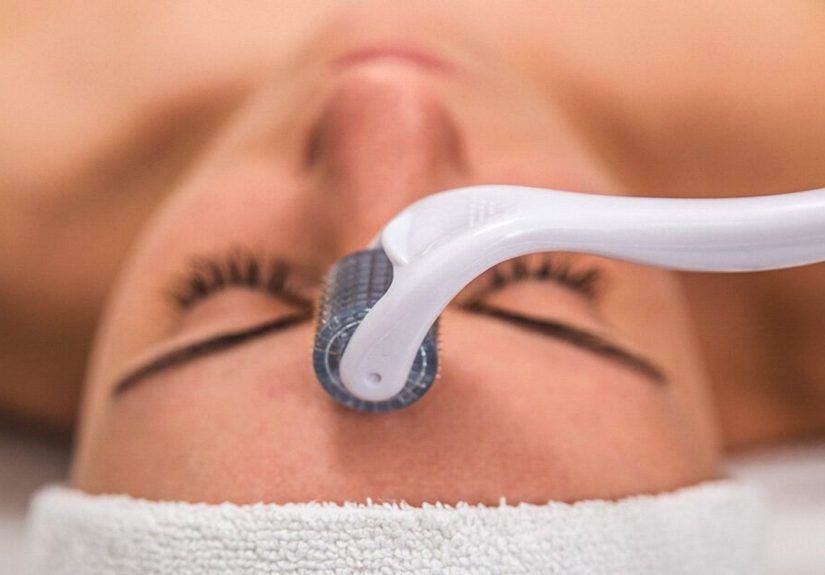
Microneedlingalso called collagen induction therapyuses a tool covered in very fine needles (often a pen-shaped device) to create tiny punctures in the upper layers of skin. These micro-injuries trigger a wound-healing response, which can increase collagen and elastin production over time. Collagen is the “scaffolding” that helps skin look firm and smooth, and elastin contributes to bounce and resilience.
Manual rollers vs. motorized pens
Devices can be manual (like a roller or stamp) or motorized (a pen that moves needles in and out). In clinical settings, professionals often use motorized devices where depth and speed can be adjusted for different skin concerns and areas.
A quick FDA reality check
In the U.S., the FDA has legally authorized certain microneedling devices for specific uses and body areassuch as improving the appearance of facial acne scars, facial wrinkles, and abdominal scars in patients 22 years or older. That “specific uses” part matters: the device, the area treated, and the intended outcome are part of the safety/effectiveness review.
Benefits of Microneedling
Microneedling isn’t a one-trick pony. The best results usually show up when it’s used for the right concern, at the right depth, on the right skin, with the right aftercare. Here are the most common, evidence-supported benefits people pursue.
1) Softer-looking acne scars
Atrophic acne scars (the “indented” kind) can look less noticeable after a series of sessions because collagen remodeling can help smooth uneven texture. It’s not an instant erase button, but many people see gradual improvementespecially with repeated treatments spaced out over time.
2) Smoother texture and smaller-looking pores
“Pore size” is partly genetics and oil production, so you can’t permanently delete pores (sorry). But microneedling may improve overall skin texture and make pores look less prominent because the surface becomes more even and reflective.
3) Fine lines and early wrinkles
Microneedling is often used to improve the appearance of fine lines by encouraging collagen production. It’s especially popular for early signs of aging and skin that’s starting to look a little “tired” or less firm.
4) Stretch marks and body scarring (in some cases)
Microneedling is also used on the body for certain scars and stretch marks. Results vary widely depending on the age of the mark, skin type, and treatment plan, but some people see smoother texture and better blending with surrounding skin.
5) Option for a wide range of skin toneswithout heat-based energy
Compared with some heat/light/laser-based resurfacing approaches, microneedling is often considered a good option for people concerned about discoloration risks. That said, pigment changes can still happen, and individual risk depends on skin type, technique, and aftercare (especially sun protection).
Microneedling vs. RF Microneedling: Same Idea, Different Intensity
Traditional microneedling relies on mechanical micro-injuries. Radiofrequency (RF) microneedling combines needles with energy that heats tissue beneath the skin. That extra heat can change the risk profile and the recovery experience.
The FDA has issued_attachable safety communications about potential risks with certain uses of RF microneedling devices. If you’re considering RF microneedling, it’s worth treating it like what it is: a medical procedure that requires a properly trained professional, the right device, and informed consent.
Who Should Avoid Microneedling (or Hit Pause and Ask a Derm)?
Microneedling is safe for many people, but it’s not “for everyone, always, no matter what TikTok says.” Professionals may delay or avoid treatment if you have certain conditions, active skin problems, or higher risk for complications.
Common reasons clinicians may say “not right now”
- Active skin infections (bacterial, viral, or fungal) in the area to be treated
- Active acne lesions that are deep, painful, or inflamed (treatment may be postponed)
- History of keloids or raised scarring tendencies
- Recent isotretinoin use (many clinicians require a waiting period)
- Immune suppression or certain autoimmune skin conditions (risk assessment needed)
- Bleeding/clotting disorders or blood-thinning medications (discuss with your clinician)
- Pregnancy/breastfeeding (often treated as a “wait and reassess” situation)
- Recent heavy sun exposure, tanning, or sunburn (treatment is usually delayed)
Bottom line: a reputable provider will screen you, explain why something is a red flag, and offer safer alternatives or timing adjustments. If someone doesn’t ask you any questions and heads straight for the numbing cream… consider that your cue to head straight for the exit.
Side Effects and Risks
Most microneedling side effects are temporary and happen shortly after treatment. Still, “temporary” doesn’t mean “ignore it,” and uncommon complications can be serious.
What’s normal (and usually short-lived)
- Redness, swelling, or a “sunburn” feeling
- Tightness, dryness, roughness, or mild peeling
- Pinpoint bleeding during deeper treatments
- Itching, mild discomfort, or a warm/burning sensation
- Light bruising or crusting in small areas
Less common (but important) risks
- Pigment changes (hyperpigmentation or hypopigmentation)
- Infection (risk increases with poor hygiene or improper technique)
- Scarring (rare with proper technique, higher risk with aggressive settings or poor healing)
- Cold sore (herpes) reactivation in people prone to outbreaks
- Swollen lymph nodes or prolonged irritation
The risk of complications increases when microneedling is performed by someone without appropriate training or when devices aren’t properly cleaned or single-use needle cartridges aren’t replaced each session. In other words: the “deal” isn’t a deal if it costs you your skin barrier (and your peace of mind).
What a Microneedling Appointment Is Like
Step 1: Consultation (aka “Let’s make sure this makes sense for you”)
A good provider reviews your skin concerns, medical history, medications, and past procedures. They’ll talk about realistic outcomes, how many sessions you might need, and what to do (and not do) before and after treatment.
Step 2: Prep and numbing
The skin is cleansed, and many clinicians apply a topical numbing cream to reduce discomfort. You may still feel pressure, vibration, or a scratchy sensationespecially in sensitive areasbut it should be tolerable.
Step 3: The treatment
The device passes over the skin in a controlled pattern. Treatment time depends on the area: a small zone can take just a few minutes, while larger areas take longer.
Step 4: Immediately after
Expect redness and a warm, tight feeling. Many people can return to normal activities the same day, but your face may look like it just ran a 5K in August.
Downtime, Recovery, and Aftercare
Downtime is usually minimal, but “minimal” doesn’t mean “do whatever.” Your skin barrier is temporarily compromised, which is why aftercare matters.
The first 24 hours: keep it simple
- Skip makeup for about 24 hours (common guidance from dermatology sources).
- Keep hands off your face unless you’ve washed them (infection prevention is not glamorous, but it works).
- Avoid unnecessary products early onespecially strong actives that can sting.
Sun protection: non-negotiable
After microneedling, your skin can be more vulnerable to sun exposure. Some clinicians recommend staying out of the sun initially and then using sunscreen consistently once it’s appropriate to apply products again. This helps reduce the risk of irritation and pigment issues and protects your healing skin.
What you might feel over the next few days
It’s common to notice tightness, dryness, or flaking as the skin recovers. Moisturizer can help. Redness and mild swelling typically fade over a few days, though some people stay pink longer depending on depth and sensitivity.
Results: What to Expect (and When)
Microneedling results are typically gradual, not instant. Some people notice a short-term “glow” once redness settles, but the deeper changes are tied to collagen remodeling, which takes time.
How many sessions do you need?
Many people do a series of treatments rather than a one-and-done. A common range is about 3 to 6 sessions, though the right number depends on your goals (fine lines vs. acne scars vs. stretch marks) and how your skin responds.
How far apart are sessions?
Treatments are often spaced several weeks apart. One major clinic source notes that people commonly receive sessions about 3 to 8 weeks apart.
When will you see changes?
You may see texture improvements earlier, but more significant results can take 3 to 6 months, especially for scarring and collagen-based changes. Some people choose maintenance sessions (for example, yearly), depending on their goals and how their skin ages.
Cost: How Much Does Microneedling Typically Cost in the U.S.?
Microneedling pricing varies by location, provider credentials, device type, and what’s included (numbing, post-care products, add-ons). A commonly cited U.S. range is roughly $200 to $800 per session. Packages may reduce the per-session price, but they also increase the total spend up front.
Why the price range is so wide
- Area treated: Full face costs more than a small spot-treatment.
- Depth and complexity: Acne scarring protocols can be more involved than “general glow.”
- Credentials and setting: Medical practices may cost more than non-medical settings.
- Device and add-ons: Advanced devices and combination protocols often cost more.
Will insurance cover it?
Most microneedling is considered cosmetic, so insurance typically doesn’t cover it. In rare cases where a clinician deems a procedure medically necessary, coverage may be possiblebut that’s the exception, not the norm.
How to Choose a Provider (So You Don’t Become a Cautionary Tale)
Your provider matters as much as the device. In the best case, microneedling is a safe outpatient procedure. In the worst case, it can lead to infection, scarring, or long-lasting discoloration.
Questions worth asking at your consultation
- What training and experience do you have with microneedling?
- Which device are you using, and what is it authorized/cleared for?
- How do you clean the device between patients?
- Do you use a new needle cartridge for every session?
- What results are realistic for my skin concern, and how many sessions do you expect?
- What should I do if I have unusual symptoms after treatment?
If the answers are vague, dismissive, or overly “salesy,” listen to that instinct. You’re not buying a scented candle. You’re hiring someone to create controlled injuries on purpose. The bar should be higher.
Frequently Asked Questions
Does microneedling hurt?
Many people describe it as uncomfortable rather than painful, especially with numbing cream. Sensitivity depends on the area and depth. If you feel sharp pain the whole time, speak upyour provider can adjust.
How long will I be red?
Redness can last a couple days, and some people have redness and swelling up to about five days. Most short-term irritation settles within a week, depending on treatment intensity and individual skin response.
When can I wear makeup again?
Many dermatology sources recommend waiting about 24 hours before applying makeup. The goal is to lower infection risk and avoid irritating freshly treated skin.
Can I do microneedling at home?
Home rollers and pens exist, but sterile technique, appropriate depth, and correct candidate selection are the difference between “maybe helpful” and “why is my face angry for three months.” If you’re considering at-home microneedling, discuss it with a licensed clinician firstand be aware that deeper, clinical-style treatment belongs in a professional setting.
Can microneedling be combined with other treatments?
Some providers combine microneedling with other approaches (like certain topical regimens or in-office procedures). However, the FDA notes that risks for combinations or off-label uses may not be fully known. Always ask what’s being used, why, and what evidence supports that specific combo for your skin.
Real-World Experiences: What Microneedling Feels Like (and What People Wish They Knew)
Let’s talk about the part that doesn’t fit neatly into a price list: the lived experience. In real life, microneedling is less “instant glow” and more “small decisions that add up.” People often say the consultation is where confidence beginsbecause it’s the moment a professional explains what microneedling can realistically do for your scars or fine lines, not some generic “before-and-after” fantasy.
On treatment day, the numbing cream is usually the unsung hero. The sensation tends to land somewhere between “electric toothbrush on your face” and “cat licking sandpaper” (oddly specific, but surprisingly accurate). Sensitive zonesupper lip, around the nose, and near the jawlineoften feel spicier. Most people can tolerate it, but many are grateful when the provider checks in and adjusts pressure or speed. A great provider doesn’t just microneedle; they communicate.
The first look in the mirror afterward can be dramatic. Redness is common, and some people describe a hot, tight “sunburn” feeling. This is where expectations matter: if you planned dinner plans with bright lighting and a friend who always asks, “Are you okay?”… you might reconsider. Many people schedule microneedling when they can be low-key for a day or two. Not because they’re medically required to hide, but because “social downtime” is real.
Aftercare tends to be the make-or-break moment. People who get the smoothest recoveries usually do the boring stuff consistently: clean hands, gentle skincare, avoiding makeup for the first day, and being cautious with sun exposure. One common “wish I knew” is how easily you can overdo it afterwardlike adding strong acids, retinoids, or random new products because you want results faster. That’s a fast lane to irritation. Another underrated tip is changing your pillowcase (because your face spends hours pressed into it). Clean bedding isn’t glamorous, but it’s practical.
Results-wise, many people notice small wins first: makeup sits better, skin looks smoother, and texture feels more even. For acne scarring or deeper lines, the experience is usually slower and more cumulative. People who stick with a series of sessions are the ones who most often describe the outcome as “worth it”not because they look like a different person, but because their skin looks more like a rested version of itself. That’s the honest sweet spot: microneedling can improve skin quality, but it won’t turn time into a reversible zipper.
The most consistent “happy client” theme is this: the best microneedling experiences happen when people choose a qualified provider, commit to a realistic timeline, and treat aftercare like part of the procedurenot an optional add-on. It’s not magic. It’s biology, done carefully.
Conclusion
Microneedling can be a smart, science-backed option for improving acne scars, fine lines, and overall texturewith relatively minimal downtime when done correctly. But it’s still a medical-style procedure that creates controlled skin injury, so technique, hygiene, device choice, and aftercare are everything. If you want the best chance of loving your results, focus less on “cheap and fast” and more on “trained and careful.” Your future skin will thank youquietly, like collagen does.