Table of Contents >> Show >> Hide
- Why a Top 40 Podcast Ranking Matters in SaaS
- What Powered the SaaStr Podcast’s Rise?
- Why Business Podcasts Are Having a Bigger Moment
- What SaaStr Gets Right That Other B2B Brands Miss
- Lessons Founders and Marketers Can Learn From the Top 40 Breakthrough
- The Catch: Charts Are Great, But They Are Not the End Goal
- What This Means for the Future of SaaStr
- Experiences and Takeaways From the SaaStr Podcast Effect
- Conclusion
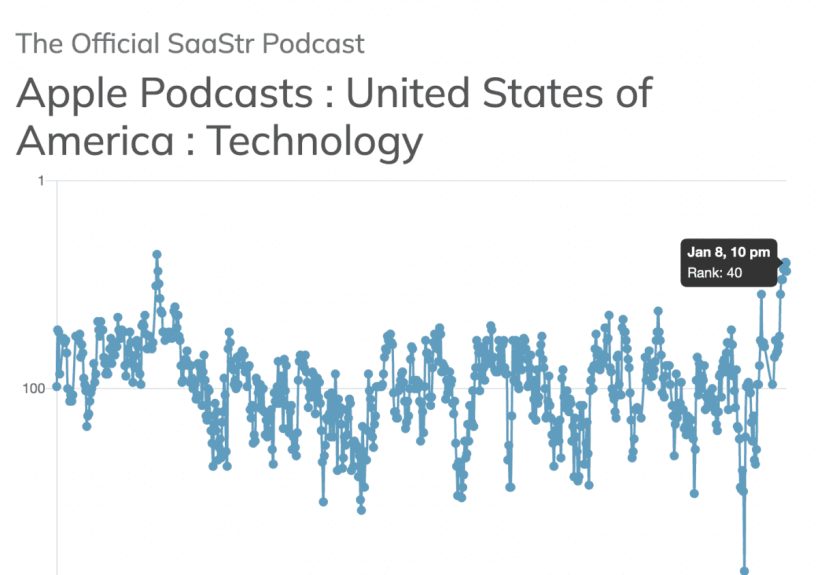
Breaking into the Top 40 may not sound like the kind of news that makes people throw confetti in the hallway, but in the world of B2B SaaS, it is a big deal. When SaaStr announced that its flagship podcast had cracked the Top 40 on Apple Podcasts and Spotify in 2024, it marked something larger than a nice chart screenshot and a well-earned founder fist pump. It showed that a focused business podcast, built around real operator lessons, can punch far above its weight in a media world crowded with celebrity interviews, true crime, and enough “growth hacks” to fill a suspiciously large warehouse.
The milestone matters because the SaaStr brand has never been about vague inspiration. It has always been about practical, sometimes blunt, sometimes gloriously nerdy advice for founders, revenue leaders, investors, and operators trying to build software companies that actually work. In other words, the podcast did not climb because it was flashy. It climbed because it was useful. And in business media, useful tends to age better than flashy. Flashy gets clicks. Useful gets repeat listeners.
That is the real story behind SaaStr Podcast Breaks Into Top 40! A chart position is the headline. The deeper story is the content engine behind it: consistency, niche authority, strong guests, smart distribution, and a loyal audience that wants tactics more than theater. Sure, a little theater never hurts. But nobody subscribes to a B2B podcast because the host has an excellent jawline.
Why a Top 40 Podcast Ranking Matters in SaaS
Podcasting is no longer a side hobby for brands that enjoy talking into microphones and pretending that “we should do more content” is a strategy. It is now a mainstream media channel with serious reach. Podcast consumption in the United States has continued to hit record highs, and the audience is no longer limited to old-school audio listeners. Video podcasting has expanded the category and brought in younger, broader audiences. That means a business show does not have to live in a tiny niche corner anymore. It can become part of a much larger attention economy.
For a B2B SaaS show, reaching the Top 40 signals several things at once. First, the topic has broader appeal than outsiders may assume. Software, recurring revenue, GTM strategy, pricing, fundraising, product-market fit, hiring, and AI operations are not just executive buzzwords. They are real problems that thousands of founders and operators wake up thinking about every morning, usually before coffee has had a chance to save them. Second, it signals credibility. Listeners tend to trust charts as a shorthand for relevance. Third, it creates a flywheel: ranking drives discovery, discovery drives downloads, and downloads help a show rank again.
In short, chart movement is not the whole game, but it is absolutely part of the game. And when a specialized business show reaches that level, it suggests the team has figured out something bigger than promotion. They have figured out resonance.
What Powered the SaaStr Podcast’s Rise?
1. A Narrow Niche With a Big Appetite
One reason the SaaStr Podcast works is that it knows exactly who it is for. It is not trying to be everything to everyone. It is trying to be indispensable to people building, funding, or scaling SaaS businesses. That clarity matters. In crowded content markets, generalist shows often blend together. Niche shows stand out because they solve specific problems for specific people.
SaaStr’s episodes are built around topics that operators actually care about: how to grow ARR, how to build a sales motion, when to hire executives, what investors really want, how AI changes GTM, where founders waste money, and what breaks as companies scale. That makes the show practical by default. It is not “business content” in the vague airport-bookstore sense. It is operator content.
2. Consistency Beats Occasional Genius
Another major advantage is consistency. The current Apple Podcasts listing shows that the official SaaStr podcast has been active since 2016 and has published hundreds upon hundreds of episodes. That kind of sustained output matters because audience habits are built on rhythm. Listeners do not fall in love with a podcast after one brilliant episode and six months of silence. They come back because the show becomes part of their routine.
That consistency also builds a library effect. Once a podcast has a deep catalog, it stops being just a feed and starts becoming a searchable knowledge base. A founder can listen to a brand-new episode on AI agents this week, then jump back to an older episode on enterprise sales next week, and later revisit pricing, hiring, or fundraising. The more useful the archive becomes, the stronger the brand becomes.
3. Great Guests Make Great B2B Podcasts
Interview-based business podcasts live or die by guest quality. SaaStr has long leaned into conversations with founders, executives, investors, CROs, product leaders, and operators who have actually built things. That matters more than many brands realize. A B2B audience can smell empty expertise from several time zones away.
What makes the format work is not just the name recognition of the guest. It is the kind of guest. The best SaaStr episodes tend to feature people who can explain what changed a win rate, why a go-to-market motion broke, how a company fixed churn, or what it took to move from early traction to scale. That keeps the show grounded in lived experience rather than presentation-deck theory. It feels less like listening to a keynote and more like getting a surprisingly candid hallway conversation after the keynote.
4. The Podcast Is Part of a Larger Content Machine
The Top 40 milestone did not happen in isolation. In the same announcement, SaaStr described a broader push across its content ecosystem: live workshops, newsletter growth, new content series, and more audience touchpoints. That is important because successful podcasts rarely grow through audio alone. They grow through systems.
A newsletter brings people back. Live events deepen loyalty. Social clips increase discoverability. Guest relationships expand reach. Blog posts support SEO. A podcast becomes stronger when it is not treated like a lonely island. SaaStr clearly understands this. Its podcast is not a side project taped to the side of the brand. It is one spoke in a larger media wheel.
5. Operator Tone Wins Trust
There is also a tonal reason the show works. Business listeners are tired of empty motivation. They do not need more content that says, “Dream bigger!” while somehow saying nothing at all. They want specifics. They want examples. They want the messy middle.
SaaStr has historically done well because its voice feels operator-led. It talks like people who have shipped products, managed teams, missed forecasts, fixed processes, and learned from mistakes. That tone is gold in B2B media because trust builds slowly, especially in long sales-cycle markets. A useful podcast becomes a repeated proof point. Week after week, it says: we understand this world, and we are not here to waste your time.
Why Business Podcasts Are Having a Bigger Moment
The timing of this milestone also matters. Business podcasts now sit in a stronger ecosystem than they did a few years ago. The podcast audience in the United States keeps growing, and video has widened the funnel. People discover shows through Apple, Spotify, YouTube, newsletters, social clips, guest shares, and plain old internet search. That gives niche business brands more ways to reach new listeners than ever before.
At the same time, B2B marketers are still investing heavily in thought leadership, video, and community-building. Audio may not be the single hottest format in every budget meeting, but it remains a powerful trust-building channel, especially when paired with events, newsletters, and social distribution. Podcasts help brands stay close to their audience without sounding like a banner ad wearing a blazer.
That is why organizations such as Harvard Business Review, McKinsey, HubSpot, Salesforce, and Andreessen Horowitz continue to invest in podcasts and audio-led thought leadership. The format works because it lets expertise travel in a more human way. A good article teaches. A good podcast teaches with voice, pacing, surprise, chemistry, and credibility. In business media, that human layer can be the difference between “interesting” and “I sent this to my whole team.”
What SaaStr Gets Right That Other B2B Brands Miss
Many B2B companies launch podcasts for the same reason people buy treadmills in January: the idea feels productive. Then reality arrives. Recording is harder than expected, booking guests takes effort, the format feels awkward, the audience does not magically appear, and suddenly the podcast goes on a “brief pause” that lasts longer than some startup funding cycles.
SaaStr avoided that trap by treating the podcast like a product, not a side activity. That means showing up regularly, understanding the audience, building around clear subject matter, using guests strategically, and creating content that can be repurposed across formats. It also means respecting the listener. Episodes are designed to deliver takeaways, not just fill time.
Another smart move is keeping the content close to the market. The show covers what founders and operators are wrestling with now: AI adoption, pipeline quality, sales efficiency, venture cycles, pricing pressure, category shifts, product expectations, hiring realities, and what scale actually looks like after the hype fades. That immediacy makes the show feel relevant instead of archival.
Lessons Founders and Marketers Can Learn From the Top 40 Breakthrough
Own a Category, Don’t Chase Everyone
A podcast grows faster when it stands for something specific. SaaStr stands for practical SaaS and cloud scaling advice. It is easier to remember, easier to recommend, and easier to trust.
Prioritize Storytelling Over Slogans
Strong business content tells stories: what broke, what changed, what the team tried, what worked, and what failed. This is especially important for founders. Storytelling is not fluff. It is how complex business lessons become memorable.
Build a Flywheel, Not a Single Asset
A great podcast should connect to blogs, newsletters, live events, social clips, community, and search. If your show is living alone in an RSS feed, it is doing cardio with ankle weights.
Consistency Is a Brand Signal
Publishing on a steady rhythm tells your audience that you are dependable. In B2B, dependability is not boring. It is persuasive.
Use Experts, Not Just Personalities
Charisma helps. Expertise lasts longer. The most effective B2B podcasts combine both, but if you have to choose one, pick the guest who can actually teach the audience something useful on Tuesday morning.
The Catch: Charts Are Great, But They Are Not the End Goal
Of course, a Top 40 ranking is not the same thing as business impact by itself. A chart position is a signal, not a full balance sheet. The real value of a B2B podcast shows up elsewhere: stronger brand authority, better audience trust, more event demand, warmer leads, richer partnerships, smarter community engagement, and a larger surface area for thought leadership.
That is why the SaaStr story matters. The ranking is exciting, but the real win is what the ranking represents: a focused media property that became habit-forming for a professional audience. In B2B, habit is everything. If people repeatedly choose your content during commutes, workouts, airport delays, and “I need one useful thing before this meeting” moments, you are no longer just publishing. You are shaping how your market thinks.
What This Means for the Future of SaaStr
If the podcast’s climb tells us anything, it is that SaaStr has successfully evolved from an event brand into a broader media and education platform. The podcast is part of that transformation. It extends the brand beyond conference dates, beyond newsletters, and beyond one-time content hits. It keeps the conversation alive between events and across growth stages.
That gives SaaStr a durable advantage. Founders may discover the brand through a post, an event, a LinkedIn clip, a workshop, or a recommendation from another operator, but the podcast gives them a reason to stick around. And once people stick around, trust compounds. In business media, compounded trust is about as valuable as it gets.
Experiences and Takeaways From the SaaStr Podcast Effect
One of the most interesting things about a milestone like this is how familiar the experience feels to people inside startups. A founder listens to one episode while walking the dog, hears a guest explain a pricing change or outbound strategy, and suddenly has three notes in the phone and a Slack message drafted to the team before the sidewalk ends. A revenue leader forwards a clip to the SDR manager and says, “We should test this next quarter.” A marketer listens during a commute and realizes the real takeaway is not the tactic itself, but the framing behind it. That is how strong business podcasts spread: not with dramatic fanfare, but through repeated moments of practical usefulness.
There is also a reputation effect. When a podcast becomes known for serious operator content, listeners start using it differently. They do not just consume it for entertainment. They use it as a shortcut to informed thinking. It becomes part of onboarding, part of team discussions, part of founder homework, and part of “what smart people in this space are paying attention to.” That is a powerful shift. Once content starts influencing real meetings and real decisions, it stops being content in the disposable sense. It becomes infrastructure.
Another common experience is that good podcast episodes reduce the loneliness of operating a company. SaaS leaders often deal with oddly specific problems: expansion revenue is stalling, the enterprise cycle is stretching, product and sales are misaligned, AI expectations are outpacing reality, or hiring the wrong VP just set fire to six months of momentum. Hearing other operators talk openly about those same issues is deeply reassuring. Not because it magically solves the problem, but because it gives the listener language, pattern recognition, and perspective. Sometimes the value of an episode is not “do this exact thing.” Sometimes it is “ah, so we are not insane, this is a normal scaling problem.”
There is a creative lesson here, too. The best podcast growth usually comes from serving an audience so well that they do the marketing for you. Listeners recommend episodes because they feel helpful, credible, and easy to share. They trust the host. They trust the guests. They trust the format. That kind of recommendation is hard to buy and slow to earn. But once it starts happening, it creates a snowball effect. One founder shares it with another. One operator sends an episode to a peer group. One investor tells a portfolio company, “You should listen to this.” Suddenly the show is growing through networks that are perfectly aligned with the audience it wants most.
So yes, SaaStr Podcast Breaks Into Top 40! is a fun headline. But the deeper experience behind it is more valuable: repeated utility, repeated trust, repeated relevance. That is the kind of momentum most brands want and very few build. And it usually starts the same way it started here: with a clear niche, consistent delivery, honest conversation, and content that respects the intelligence of the audience.
Conclusion
The SaaStr Podcast’s Top 40 breakthrough is more than a bragging-rights moment. It is proof that business audiences still reward substance when it is delivered consistently, clearly, and with real operator value. SaaStr did not get there by trying to sound trendy. It got there by sounding useful. In a noisy media landscape, that is still one of the strongest competitive advantages a brand can have.
If you are a founder, marketer, or media operator, the lesson is simple: niche expertise scales when it is packaged well, distributed smartly, and delivered with enough honesty to be trusted. That is what turns a podcast into a brand asset. And sometimes, if the content gods are smiling and the episodes keep landing, it is what turns a brand asset into a Top 40 show.