Table of Contents >> Show >> Hide
- Why Side Sleepers Use Knee Pillows
- What “According to Testing” Means in This Guide
- Quick Comparison of Top Picks
- The Best Knee Pillows for Side Sleepers
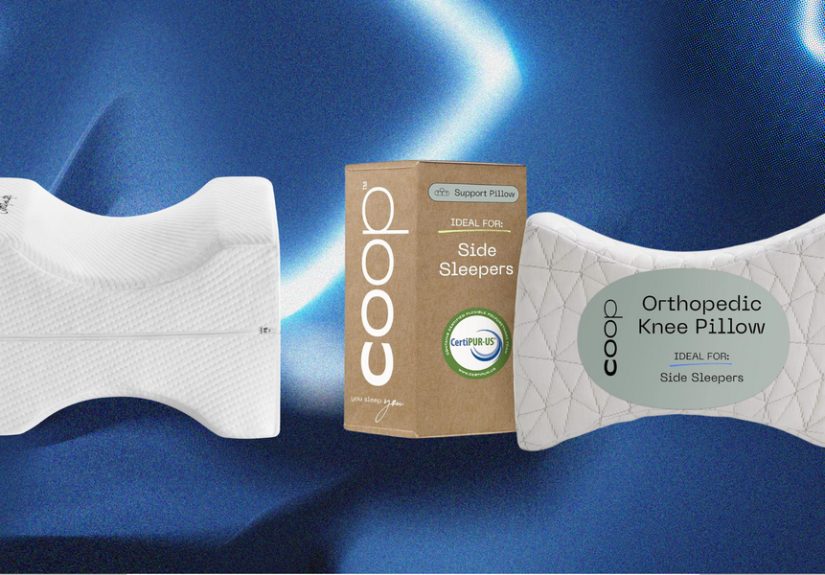
- Best Overall: Coop Home Goods Knee Pillow (Adjustable)
- Best Soft, Full-Leg Support: The Company Store Knee and Leg Posture Pillow
- Best for Pressure Relief: Cushion Lab Side Sleeper Knee Pillow
- Best for Toss-and-Turners: Helix Side Sleeper Knee Pillow (With Strap)
- Best Travel / Multi-Use: Tempur-Pedic All-Purpose Pillow
- Best Budget-Friendly: Contour Legacy Leg & Knee Foam Support Pillow
- Best Slim Option: Sleep Number Knee Pillow
- Best Value “Starter” Knee Pillow: Cushy Form Knee Pillow
- How to Use a Knee Pillow (Without Overthinking It)
- What to Look for When Buying a Knee Pillow
- Common Knee Pillow Problems (and Easy Fixes)
- When to Check In With a Healthcare Pro
- Real-World Experiences: What It’s Like to Sleep With a Knee Pillow (and Actually Stick With It)
- The Bottom Line
Side sleeping is the country’s unofficial national pastime: it’s comfy, it feels “natural,” and it gives your snoring
fewer opportunities to audition for a chainsaw commercial. The catch? Side sleeping can also turn your hips, knees,
and lower back into a cranky group chat by morningespecially if your top leg slides forward and twists your pelvis.
Enter the knee pillow: a small (sometimes oddly shaped) cushion that sits between your knees (or thighs) to help keep
your legs stacked, your hips level, and your spine in a more neutral line. It’s not a magic wand, but the right one can
be the difference between “good morning” and “good grief.”
Why Side Sleepers Use Knee Pillows
When you lie on your side, gravity wants your top knee to fall forward. That subtle drift can rotate your pelvis and pull
your lower back out of its happy place. A knee pillow helps by creating a stable “bridge” between your legs so your hips
stay more evenly stacked.
People often try a regular bed pillow first. Sometimes that works! But regular pillows can be too tall, too squishy, or
too eager to escape in the night. Knee pillows are shaped to fit the gap between your legs, resist flattening, and keep
knees from pressing together (which can be uncomfortable if you have sensitive joints).
Knee pillows are also popular with sleepers who experience occasional hip tightness, lower back stiffness, or knee-to-knee
pressureplus anyone who wants their side-sleeping posture to look less like a pretzel and more like a well-aligned action figure.
(No offense to pretzels. Pretzels are doing their best.)
What “According to Testing” Means in This Guide
“Testing” can mean a lot of things onlineeverything from a full-blown textile lab to someone giving a pillow a pep talk
and calling it a day. For this article, the recommendations are synthesized from reputable U.S. outlets that describe
structured evaluation methods (lab assessments, test-lab scoring, consumer tester feedback, and/or hands-on editorial trials),
plus practical selection criteria that match clinical posture guidance from major medical organizations.
In other words: we’re not guessing based on star ratings alone. We’re prioritizing options that repeatedly perform well
under real use, have sensible design features (shape, support, stability, cover care), and match what experts say matters
most for side-sleeping alignment.
Quick Comparison of Top Picks
| Pick | Best For | Why It Stands Out |
|---|---|---|
| Coop Home Goods Knee Pillow (adjustable) | Most people, especially picky sleepers | Adjustable thickness/firmness for a “just right” fit |
| The Company Store Knee & Leg Posture Pillow | Soft feel, full-leg comfort | Longer, plushier support that also works under knees |
| Cushion Lab Side Sleeper Knee Pillow | Pressure relief + cradled feel | Ergonomic contour with a supportive “mold, not mush” feel |
| Helix Side Sleeper Knee Pillow (strap) | Toss-and-turners | Firm foam plus strap to reduce midnight pillow escapes |
| Tempur-Pedic All-Purpose Pillow | Travel + multi-use support | Compact “peanut” shape that works for knees, lumbar, or neck |
| Contour Legacy Leg & Knee Pillow | Budget-friendly alignment help | Popular shape for keeping legs separated; often priced lower |
| Sleep Number Knee Pillow | People who hate bulky pillows | Slimmer profile and softer feel for smaller gaps |
| Cushy Form Knee Pillow | “Try it without committing” shoppers | Softer, approachable option in multiple sizes |
The Best Knee Pillows for Side Sleepers
Best Overall: Coop Home Goods Knee Pillow (Adjustable)
If you’ve ever thought, “I’d love a knee pillow… if it weren’t either a brick or a marshmallow,” this is your type.
The standout feature is adjustability: you can remove or add foam inserts to fine-tune thickness and firmness.
That matters because the “right” gap between your knees depends on your hip width, mattress firmness, and how curled up you sleep.
- Best for: Side sleepers who want a customized feel (or who have tried one knee pillow and said “nope”).
- Feel: Supportive; you can dial it softer/thinner if needed.
- Helpful details: Contoured shape; designed to support alignment.
- Watch-outs: Some people find re-covering after washing a bit fiddlylike wrestling a duvet into submission.
Best Soft, Full-Leg Support: The Company Store Knee and Leg Posture Pillow
Not everyone loves the “firm foam wedge between my knees” vibe. This longer, softer style is more like a mini body pillow
for your lower halfgreat if you want cushioning along the inner thighs and knees, or if you prefer a pliable pillow you can nudge into place.
- Best for: Side sleepers who want plush comfort, plus people who sometimes sleep on their back and like support under the knees.
- Feel: Medium-soft and adaptable (more “hug” than “pushback”).
- Helpful details: Length helps it stay put better than small hourglass pillows for some sleepers.
- Watch-outs: Takes up more bed real estate than compact knee pillows.
Best for Pressure Relief: Cushion Lab Side Sleeper Knee Pillow
Cushion Lab is known for ergonomic cushions, and this knee pillow leans into that “cradled” feel: it contours around the legs
without collapsing completely. For side sleepers who wake up with knee pressure or inner-thigh discomfort, the shape and foam density
can feel noticeably more supportive than generic wedges.
- Best for: Sleepers who want a contour that feels stable but not hard.
- Feel: Supportive with a molding surfacepressure relief without the sinkhole.
- Helpful details: Often offered in multiple sizes, which matters a lot for comfort.
- Watch-outs: Sizing can be tricky; the “right” size depends on your build and how close your knees naturally rest.
Best for Toss-and-Turners: Helix Side Sleeper Knee Pillow (With Strap)
If you move a lot at night, the most common complaint is simple: “My knee pillow ends up on the floor.”
The Helix option tackles that with a strap designed to keep the pillow anchored to your leg. It’s also notably firm,
which can help maintain alignment when your body weight shifts.
- Best for: Restless sleepers and combination sleepers who still spend most of the night on their side.
- Feel: Firm, high-density support.
- Helpful details: Strap + ergonomic curve; washable cover.
- Watch-outs: If you’re sensitive to anything strapped to your leg, you may prefer a longer body-pillow style instead.
Best Travel / Multi-Use: Tempur-Pedic All-Purpose Pillow
This compact “peanut” pillow is famous for being useful in about 12 different scenarios: between knees, behind lower back,
under ankles, or as a neck support on a plane. For side sleepers, it can work well if you prefer a smaller pillow and want something
easy to pack.
- Best for: Travelers, dorm-life sleepers, and anyone who wants one pillow that plays multiple positions.
- Feel: Dense and supportive.
- Helpful details: Compact size; washable cover; easy to reposition.
- Watch-outs: Some testers find it too small to keep a comfortable knee gap all night if you have a wider hip frame.
Best Budget-Friendly: Contour Legacy Leg & Knee Foam Support Pillow
The Contour Legacy style is a longtime favorite in the “I want my legs separated and my hips calmer” categoryoften at a lower price point.
Its distinctive shape is designed to support the legs more than a simple hourglass wedge, which can help if you like the feeling of
your top leg being more fully supported.
- Best for: Side sleepers who want a well-known shape without spending a lot.
- Feel: Supportive foam; varies by version and cover.
- Helpful details: Often easy to find and frequently recommended by mainstream reviewers.
- Watch-outs: If you run hot, prioritize a breathable cover and avoid overly thick foam that traps heat.
Best Slim Option: Sleep Number Knee Pillow
Some people try a knee pillow and immediately feel like their hips are being pushed too far apart. If that’s you, a slimmer,
softer model can be more comfortable than a thick, firm wedge. Sleep Number’s knee pillow is often described as lightweight and less bulky,
which can be ideal for smaller frames or anyone who wants a gentle “just enough” separation.
- Best for: People who hate bulky pillows, plus travelers who want a lightweight option.
- Feel: Softer, thinner profile.
- Helpful details: Easy to reposition; doesn’t “force” a wide knee gap.
- Watch-outs: If you need firmer alignment help, it may feel too thin.
Best Value “Starter” Knee Pillow: Cushy Form Knee Pillow
If you’re curious but skeptical, the best first knee pillow is the one you’ll actually keep using. Cushy Form tends to be
a softer, more approachable styleoften available in multiple sizesso you can choose a narrower fit (for smaller frames)
or a wider gap (for broader hips or taller sleepers).
- Best for: First-time knee-pillow users and shoppers who want solid comfort at a reasonable price.
- Feel: Softer support with a gentle contour.
- Helpful details: Multiple sizes; easy “on-ramp” to sleeping with a leg pillow.
- Watch-outs: Softer pillows can shift more if you move a lot at night.
How to Use a Knee Pillow (Without Overthinking It)
The goal is simple: keep your hips stacked and your spine in a more neutral line. Here’s a setup that works for most side sleepers:
- Start on your side with your knees slightly bent (not locked straight, not fetal-ball dramatic).
- Place the pillow between your knees so both knees are supported, not just the kneecaps.
- Check your hips: Your top hip shouldn’t roll forward. If it does, your pillow may be too thinor you may need a longer pillow that also supports the thighs.
- Don’t ignore the waist gap: If there’s space between your waist and the mattress, a small towel or thin pillow there can reduce side-bending.
- Match your head pillow to the plan: If your head pillow is too tall or too flat, your neck will argue with your spine all night. Aim for “straight line” alignment from neck through low back.
Pro tip: if you wake up with the pillow halfway across the bed, that’s not a moral failing. It’s just physics. Consider a strap model,
a longer posture pillow, or a body pillow that’s harder to lose.
What to Look for When Buying a Knee Pillow
1) The Right Thickness (Loft)
Thickness is the make-or-break feature. Too thick can push your hips apart and feel awkward; too thin won’t prevent the top leg
from drifting forward. Adjustable models are great if you’re not sure what you need.
2) Firmness That Matches Your Mattress
On a soft mattress, a very soft knee pillow may collapse and stop doing its job. On a firm mattress, a very firm pillow may feel
too intense. Medium to firm is the usual sweet spot for alignment.
3) Shape and Stability
Hourglass shapes are common because they “nest” between the thighs. Longer pillows can support more of the leg and may stay put better.
Straps help restless sleepers, but not everyone likes the feel.
4) Cooling and Cover Comfort
Foam can trap heat. If you run warm, prioritize breathable covers (look for moisture-wicking fabrics) and designs that don’t wrap
too tightly around your legs. Bonus points for removable, washable coversbecause life happens.
5) Materials and Certifications
Many knee pillows use memory foam. Some are fiberfill (plushier and more moldable). If you’re sensitive to odors or materials,
look for reputable certifications and clear care instructions.
Common Knee Pillow Problems (and Easy Fixes)
- Problem: It slides out at night.
Fix: Try a strap model, a longer posture pillow, or tuck it slightly higher between the thighs. - Problem: Your hips feel “spread.”
Fix: Go thinner/adjustable. Your pillow should support, not force a wide stance. - Problem: Knees still touch.
Fix: Size up, or choose a shape with deeper contours that cradle the knees. - Problem: You get hot.
Fix: Prioritize breathable covers and avoid super-thick foam if you already sleep warm. - Problem: It feels great… for 20 minutes.
Fix: Try a different firmness. Discomfort usually means the thickness or density is mismatched to your body and mattress.
When to Check In With a Healthcare Pro
A knee pillow is a comfort and alignment toolnot a diagnosis or treatment plan. If you have persistent pain, numbness, pain that
radiates down the leg, or symptoms that worsen, it’s smart to talk with a qualified clinician.
Also: if you’ve had a recent injury or surgery, follow your care team’s instructions. Some post-op guidance (for example, after certain
knee procedures) may advise against resting with a pillow placed behind the knee in specific situations.
Real-World Experiences: What It’s Like to Sleep With a Knee Pillow (and Actually Stick With It)
Here’s the honest truth from common side-sleeper experiences: the first night with a knee pillow can feel amazing… or mildly confusing.
Your body has muscle memory, and it may take a few nights to accept that you’re no longer allowed to twist into your usual “sleep croissant.”
The good news? Most people who end up loving a knee pillow didn’t love it instantlythey adjusted it, sized it, or swapped styles until it felt natural.
Scenario #1: The petite sleeper who feels “pushed apart.” If you’re smaller-framed, thick foam pillows can make your hips feel
over-separated. In practice, a slimmer pillow (or an adjustable one with inserts removed) is often the difference between comfort and annoyance.
Many petite sleepers also like softer, slightly smaller designs because they don’t force a big gapjust enough separation to stop knee-to-knee pressure.
Scenario #2: The tall sleeper whose knees still touch. Taller sleepers (or anyone with broader hips) often discover that a “standard”
knee pillow is too small in both height and width. The fix is usually boring but effective: go up a size, choose a longer posture pillow, or pick a design
that supports more of the thigh so the top leg doesn’t slip forward. When the pillow fills the space properly, you’ll notice your hips feel more “stacked”
and your lower back feels less twisted.
Scenario #3: The restless sleeper who loses the pillow by 2 a.m. If you toss and turn, a compact pillow can become a nightly scavenger hunt.
A strapped knee pillow can help, but some people don’t like anything wrapped around their leg. The alternative many restless sleepers prefer is a longer pillow
(knee-and-leg posture style) that’s simply harder to kick away. Another trick: place the pillow slightly higher between the thighs rather than only between the knees.
That placement tends to be more stable under the covers.
Scenario #4: The hot sleeper who wakes up sweating. Foam plus blankets can equal a tiny personal sauna. Hot sleepers often do best with breathable
covers, moisture-wicking fabrics, and a pillow that doesn’t clamp tightly to the legs. In real bedrooms, “cooling” can be as much about airflow and fabric as it is
about fancy materials. Washable covers matter here toosleep is sweaty business, even when you’re dreaming about winning an Olympic medal for napping.
Scenario #5: The “my knee is sensitive” sleeper. Some people start shopping for a knee pillow because their knees hurt when they touch. In that case,
a contoured pillow that cradles the knees can feel more protective than a flat pillow. The most common “aha” moment is realizing the pillow should support both knees
comfortablynot just wedge under one kneecap. If you feel pressure in a single spot, the pillow may be too firm or too narrow for your build.
Scenario #6: The traveler, the dorm sleeper, and the “my mattress is questionable” crew. If your sleep surface changes (hotels, dorms, guest rooms),
a knee pillow is a low-effort way to make almost any bed feel more supportive. Compact, multi-use pillows are popular here because they can work between the knees,
behind the lower back, or under the ankles. In practice, travelers tend to value portability and easy cleaning over “perfect” ergonomicsand that’s totally reasonable
when your bed is a mystery box.
The big takeaway from these experiences is that the “best” knee pillow isn’t just the one with the highest praiseit’s the one that matches your body size, sleep style,
and tolerance for firmness. If your first pick doesn’t click, don’t quit. Adjust the loft, swap the shape, or try a longer style. Your hips and lower back will appreciate
the persistence.
The Bottom Line
If you want a safe, broadly loved starting point, an adjustable knee pillow like Coop’s is hard to beat because it lets you customize thickness.
If you crave a softer, more “hugging” feel (or want something that also works under the knees on back-sleep nights), The Company Store’s longer posture pillow is a standout.
And if your main complaint is pressure and knee-to-knee discomfort, Cushion Lab’s contoured design is built for that cradled support.
Whatever you choose, remember the goal: stacked hips, separated knees, and a spine that wakes up less grumpy. You’re not trying to “force” perfect postureyou’re trying to
make the comfortable position also the supportive one. That’s the sweet spot where better sleep lives.