Table of Contents >> Show >> Hide
- The Spiral Staircase Tiny Home Everyone’s Screenshotting
- What “Buying a House on Amazon” Actually Means
- The Tiny-Home Spiral Staircase: Brilliant, But Not Magic
- The “Don’t Regret This Later” Checklist Before You Buy
- 1) Zoning and ADU rules: can you place it where you want?
- 2) Which code applies: tiny house, manufactured home, RV, or “other”?
- 3) Site prep: the “tiny” home still needs a big plan
- 4) Utilities: where your budget gets quietly athletic
- 5) Assembly: who’s building it, and what’s included?
- 6) Insurance and warranty: don’t assume it’s “just like a house”
- Cost Reality Check: The Sticker Price Is Just the Trailer
- How to Vet an Amazon Tiny Home Listing Like a Pro
- Other Amazon Tiny Homes Worth Knowing About
- So… Should You Buy the Spiral Staircase Tiny Home?
- Real-World Experiences: From “Add to Cart” to “We Live Here Now” (About )
The internet has officially crossed a new line: you can now shop for a tiny home on Amazon the same way you shop for
trash bagsscroll, squint, read reviews, and whisper, “Wait… is that a BALCONY?” And yes: among the more eye-popping
listings are double-story prefab tiny homes that appear to include a spiral staircase. Not a “ladder you tolerate.”
A real-deal, space-saving, dramatic-entrance spiral staircase.
Before your finger hovers over Add to Cart like you’re about to impulse-buy an entire lifestyle, let’s break
down what’s actually being sold, what it really costs to place one on property, how to vet a listing, and why a spiral
staircase is either (A) tiny-home genius or (B) the world’s fanciest way to bonk your elbow.
The Spiral Staircase Tiny Home Everyone’s Screenshotting
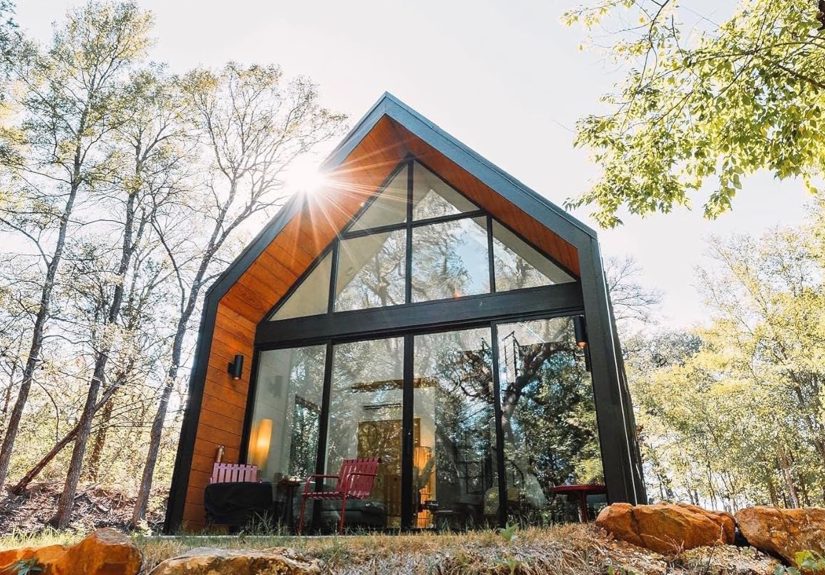
The listing that kicked off a lot of “no way” group chats is a generic double-story tiny home kit marketed with
generous outdoor livingthink balconies, covered decks, and big windowsplus images that suggest a spiral staircase
connecting floors. Media coverage around late 2024 described an under-$50K “double-story barn tiny home” style kit,
highlighting a spiral staircase as the showstopper and calling out pre-installed essentials like wiring, lighting,
HVAC components, and plumbing hookups (depending on configuration).
Another widely discussed version is sold as a flat-pack, two-story residence with different size options (for example,
a two-story footprint advertised around 20-by-20 feet, with larger configurations also marketed). Some sellers position
these as “ready to assemble” units with customizable interior layoutsmeaning the shell and core systems may be
described, but the final room plan (and sometimes finishes) can vary.
The spiral staircase is the headline because it’s the rare tiny-home feature that’s both practical and unapologetically
dramatic. In a small footprint, vertical space is everythingand a spiral stair is basically saying,
“We’re going up there, and we’re doing it with flair.”
What “Buying a House on Amazon” Actually Means
Here’s the most important reality check: most “houses” sold online are not the same thing as buying a traditional
home that’s already sitting on land with a certificate of occupancy. Many are prefab kits, modular units, or
foldable/expandable structures that still require planning, site work, and approval.
Common categories you’ll see
- Flat-pack / kit cabins: Shipped as materials and components you assemble on-site (often wood cabin kits).
- Prefab “modules”: Factory-built sections delivered and placed, sometimes requiring cranes or heavy equipment.
- Foldable / expandable units: Designed to transport compactly and expand on site (often steel-framed container-style systems).
- ADU-marketed structures: Sold as guest houses or backyard studios, but still subject to local rules.
Translation: the product listing might be real, but your ability to legally live in it depends on where you plan to put it,
how it’s installed, and whether it meets local building and zoning requirements.
The Tiny-Home Spiral Staircase: Brilliant, But Not Magic
Spiral staircases are popular in compact architecture for one simple reason: they save floor space. A traditional stair
run eats up a surprising amount of real estate, while a spiral stair can tuck into a tighter circle and free up room
for a kitchen wall, a bathroom door that actually opens, or a couch that isn’t also your refrigerator.
Why it’s a win
- Space efficiency: More usable square footage on the main level.
- Loft access without the “attic ladder vibe”: Easier daily living if the upper floor is a bedroom.
- Design impact: It’s instantly “architectural,” even in a tiny footprint.
Why it can be tricky
- Moving stuff upstairs: Mattresses + spiral stairs = teamwork (and sometimes regret).
- Comfort and safety: Narrower treads and tighter turns can be a challenge for kids, pets, or mobility needs.
- Code considerations: Stair geometry, guards, handrails, and headroom matterespecially if the unit is intended as a dwelling.
If you love the spiral-stair look, your best move is to treat it like a feature you’ll verifynot assume. Ask the seller
for stair specs (diameter, tread depth, handrail height), installation method, and whether the layout shown is included
or merely “possible.”
The “Don’t Regret This Later” Checklist Before You Buy
The viral part is the shopping cart. The non-viral part is the paperwork. Here’s what to confirm before you spend
anything beyond your time and optimism.
1) Zoning and ADU rules: can you place it where you want?
Start with your city or county planning/building department. Some places allow ADUs by right, some require special permits,
and some have restrictions on size, setbacks, height, and utility connections. A unit marketed as a tiny home or ADU
doesn’t automatically qualify as one where you live.
2) Which code applies: tiny house, manufactured home, RV, or “other”?
If the structure is intended as a dwelling on a foundation, it may be reviewed under residential building codes.
The International Residential Code (IRC) includes guidance for tiny houses in Appendix Q, which relaxes certain rules
for dwellings at or under 400 square feet (but it’s still a code framework, not a free pass).
If the unit is a manufactured home (a specific legal category), it may fall under federal manufactured housing standards
administered through HUD, and it typically needs proper labeling/certification. That distinction can impact permitting,
financing, and even insurance.
3) Site prep: the “tiny” home still needs a big plan
- Foundation or pad: slab, piers, footings, or engineered supports depending on soil and design.
- Delivery access: truck route, turns, clearance, and whether a crane or forklift is required.
- Drainage: water management around the pad so your tiny dream doesn’t become a tiny swamp.
- Wind/snow considerations: local design loads matter more than the listing’s “weather resistant” claims.
4) Utilities: where your budget gets quietly athletic
The listing may describe pre-wiring and plumbing, but you still need legal hookups: electrical service, water supply,
sewer/septic, and sometimes gas. Costs vary wildly based on whether you’re connecting on an already-serviced lot or
bringing utilities to raw land.
5) Assembly: who’s building it, and what’s included?
Some kits are DIY-friendly in theory but still benefit from a contractor, especially for weatherproofing, electrical
tie-ins, and inspections. Confirm whether assembly instructions are included, whether fasteners and sealants are included,
and what kind of labor the seller assumes you’ll provide.
6) Insurance and warranty: don’t assume it’s “just like a house”
Insurers may treat a tiny home differently depending on whether it’s on a foundation, certified as a manufactured home,
or considered a movable structure. Ask early so you don’t finish a build and then discover it’s hard to insure in your
category.
Cost Reality Check: The Sticker Price Is Just the Trailer
Let’s talk about the part nobody wants to put on a viral slideshow: the total cost of ownership. Media coverage of
online-sold tiny homes repeatedly points out the “hidden” costspermits, site work, utility connections, transport,
and finishingthat can rival or exceed the price of the unit itself.
Typical cost buckets to plan for
- Unit price: the advertised Amazon listing amount (which can change).
- Shipping and delivery: sometimes included, sometimes not; heavy freight can be its own universe.
- Foundation/pad: materials + labor + engineering if needed.
- Permits, plan review, inspections: varies by jurisdiction; can be significant.
- Utility connections: electrical, water, sewer/septic, and any trenching or upgrades.
- Assembly labor: either your time or contractor time (or both, if you value weekends).
- Finish work: flooring, paint, cabinetry, fixtures, appliances, railings, and exterior sealing.
A practical way to shop is to build a “real budget” spreadsheet before you fall in love with the balcony. If a listing
is $30K–$50K, you can still end up with a total project that’s much higher once you add infrastructureespecially on
undeveloped property.
How to Vet an Amazon Tiny Home Listing Like a Pro
The goal isn’t to be skeptical. The goal is to be informed. Here’s how to separate a genuinely promising prefab option
from a listing that’s mostly vibes.
Ask for these specifics (in writing)
- Exact dimensions (overall, interior, ceiling heights, loft sizes).
- Materials (frame type, wall system, insulation, glazing, roofing).
- What “pre-installed” means (rough-in only vs. finished systems).
- Mechanical details (HVAC type, electrical panel specs, plumbing layout).
- Staircase specs (diameter, tread depth, handrail/guard details).
- Documentation (engineering drawings, installation manual, stamped plans if available).
- Certifications (if anyespecially relevant for financing/insurance categories).
Red flags that deserve a pause
- Listings that promise “compliant everywhere” (building rules are local, not universal).
- Photos that don’t match the described layout (or show options not included).
- Missing details about insulation, weatherproofing, or structure.
- Vague claims like “luxury” without specs (luxury is not a measurement unit).
Other Amazon Tiny Homes Worth Knowing About
The spiral staircase listing is the headline, but it’s not the only interesting tiny-home-adjacent option circulating.
Amazon listings covered by major U.S. lifestyle outlets include:
-
Modern prefab “cabin” units marketed as compact guest houses with big windows and pre-equipped support
for electricity and plumbingappealing if you want a sleek backyard studio vibe. -
DIY cabin kits (often wood) that ship as parts and can be assembled into a simple structure you finish
to your needspopular for weekend retreats, offices, or rental builds. -
Expandable container-style units that fold for transport and expand on-siteoften positioned as quick
solutions but still dependent on site prep and legal approvals.
The smart shopper move is to decide what category you want first (kit vs. module vs. expandable) and then compare listings
within that category. Comparing a DIY wood cabin kit to a two-story steel-sided prefab is like comparing a tent to a townhouse:
both are “places,” but they’re not the same project.
So… Should You Buy the Spiral Staircase Tiny Home?
It can be a genuinely good idea if your use case matches reality:
This makes the most sense for
- Backyard guest space where your locality allows ADUs and you have (or can add) legal utilities.
- Home office / studio where “dwelling” rules may be different than “accessory structure” rules.
- Weekend property projects where you can plan the infrastructure and treat it like a build.
- Rental strategy where the numbers still work after permits, insurance, and maintenance.
This is riskier for
- Anyone assuming it’s instantly move-in ready without permits or inspections.
- Anyone without a clear plan for utilities and access.
- Anyone who needs traditional mortgage financing without verifying eligibility.
The spiral staircase is the fun part. The foundation, permits, and hookups are the part that decides whether you’re
living your best tiny life or starring in a very expensive learning experience.
Real-World Experiences: From “Add to Cart” to “We Live Here Now” (About )
The most common experience people describe when shopping for a tiny home on Amazon is a three-stage emotional journey:
(1) disbelief, (2) spreadsheets, and (3) suddenly learning what a setback is.
The disbelief is easy: you see glossy photos, a spiral staircase, and a balcony that looks like it was designed for sipping
iced coffee while making mysterious life decisions. The spreadsheet era begins the moment you realize the listing price is
only one line item.
In the research phase, shoppers often spend more time reading local planning pages than reading product descriptions.
The practical “aha” moment is that tiny homes are treated differently depending on whether they’re considered an ADU,
a manufactured home, or something more like a portable structure. That category affects everythingpermits, inspections,
and even how you insure the unit. Many buyers say the best move they made was calling the building department early,
because it clarified what documents they’d need (site plan, foundation design, utility plan) before any delivery date could
even be realistic.
Delivery day is where expectations meet physics. A frequent theme: access. People measure gates, driveway widths, and
turning radiuses like they’re planning a heistbecause the truck has to physically get there. If the unit arrives as a
flat-pack kit, the “unboxing” experience is less like opening a gadget and more like receiving a puzzle that weighs more
than your car. Buyers who planned for staging space (a flat area to store components under a tarp, protected from weather)
tend to feel calmer than those who assumed everything could sit neatly on a porch.
Assembly experiences vary wildly based on what’s included and how handy the buyer is. Some people love the build process
and treat it like an epic weekend project; others quickly hire help once weatherproofing and structural steps show up on the
instruction list. A recurring tip from experienced DIYers: budget extra time for sealing, flashing, and finishing. Tiny homes
look adorable, but water doesn’t care about adorable. Making sure windows, doors, and roof edges are properly sealed is a
comfort-and-longevity multiplier.
The spiral staircase, specifically, becomes a “daily living” feature the moment you start moving real stuff. People who
love it talk about how it frees up the main floor and turns the interior into a mini architectural moment. People who don’t
love it mention two things: carrying bulky items upstairs and learning the choreography of passing someone on a spiral stair.
The happiest owners tend to plan the upstairs as a lighter-use space (sleeping, reading, storage) and keep the heavy living
(kitchen, seating, bath) on the main floor.
After move-in, the “tiny home experience” often becomes less about the novelty and more about systems: heating/cooling
efficiency, ventilation, humidity control, and storage discipline. The best stories sound surprisingly normal: a balcony becomes
morning coffee territory, the compact kitchen gets dialed in, and the spiral staircase becomes a design flex you stop noticing
which is exactly what you want from any feature you use every day.