Table of Contents >> Show >> Hide
- What Made the X100V So Hard to Beat in the First Place?
- The X100V Was Already Optimized, Not Just Featured-Up
- The Successor Already Proved the Point
- Every Obvious Upgrade Comes With a Trade-Off
- The Real Magic Is in the Constraints
- Why Photographers Keep Coming Back to It
- Experience Section: What Living With the X100V Actually Feels Like
- Final Thoughts
Some cameras are easy to improve. Add a better sensor, sprinkle in a few autofocus tricks, slap on a bigger battery, and call it progress. The Fujifilm X100V is not one of those cameras. It is the kind of camera that makes product planners sweat, reviewers grin, and photographers whisper dangerous phrases like “I don’t really need anything else.” That is not a normal consumer-electronics vibe. That is a trap.
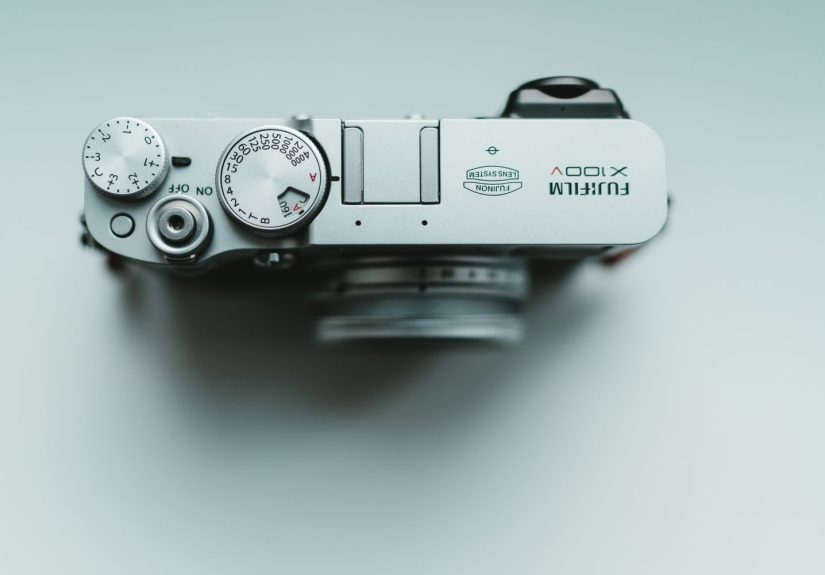
The X100V landed in 2020 with a 26.1MP APS-C sensor, a redesigned 23mm f/2 lens, a tilting rear touchscreen, a hybrid optical/electronic viewfinder, strong autofocus, 4K video, and the kind of tactile, old-school controls that make people suddenly start talking about “the joy of shooting” like they are auditioning for a camera documentary. Fujifilm did not just make a good compact camera. It made a compact camera that felt complete.
And that is exactly the problem. Once a product gets this right, improvement stops being about adding features and starts being about avoiding damage. Make it bigger, and you ruin the portability. Make it more complicated, and you weaken the charm. Make it more powerful, and you risk worse heat, battery life, and price. In other words, improving the X100V is like renovating a house everyone already loves: yes, a better kitchen sounds nice, but knock down the wrong wall and suddenly nobody recognizes the place.
What Made the X100V So Hard to Beat in the First Place?
The easiest way to understand the X100V’s near-mythical reputation is to look at how many old complaints Fujifilm cleaned up at once. Earlier X100 cameras were beloved, but they had baggage. The X100V attacked that baggage with surprising efficiency. The lens was redesigned and finally addressed the softness that had bugged previous generations at close focus and wide apertures. Autofocus got faster and more dependable. The viewfinder became more polished. The LCD tilted without destroying the clean back-panel design. Even weather resistance became possible with the optional adapter ring and filter.
That last sentence is peak Fujifilm, by the way. “Yes, it is weather-resistant, but only if you dress it properly.” The camera equivalent of saying your dog is hypoallergenic as long as it never sheds, breathes, or looks at pollen.
Still, photographers happily accepted these quirks because the bigger picture was excellent. The X100V nailed the formula that makes the X100 line so addictive: a 35mm-equivalent field of view, a fast-enough f/2 lens, gorgeous JPEG color, whisper-quiet leaf shutter, built-in ND filter, and a body small enough to come along when a “serious camera” would stay home. Plenty of cameras can make beautiful files. Far fewer make you want to carry them every single day.
The X100V Was Already Optimized, Not Just Featured-Up
That distinction matters. The X100V was not “great because it had a lot of stuff.” It was great because the stuff it had was chosen carefully. This camera was optimized around a very specific kind of photographer: someone who values discretion, speed, simplicity, and the feeling of being connected to the act of making pictures.
A bigger sensor might sound exciting on paper, but not if it forces a thicker body or a more demanding lens. More video horsepower sounds great in a spec sheet headline, but not if it introduces more heat, shorter battery life, or menu complexity in a camera people mostly love because it gets out of the way. Even something seemingly obvious, like in-body image stabilization, becomes tricky in a body this compact. IBIS is wonderful, but it is not magic dust. It takes space. It adds engineering complexity. It can affect weight, balance, and battery endurance.
In short, the X100V was already walking a tightrope. It had enough modern performance to feel current, but not so much modern baggage that it lost its identity. That balancing act is much harder than just cramming in more technology.
The Lens Is a Bigger Deal Than People Realize
One reason the X100V is so hard to improve is that Fujifilm already spent one of its most valuable upgrade cards on the lens. Reviewers noticed that the redesigned 23mm f/2 lens improved sharpness, especially in situations where older X100 models could look hazy or soft up close and wide open. That was not a tiny tweak. It was one of the most meaningful quality-of-life improvements in the series.
And once you fix the lens, what comes next? You can make it sharper still, perhaps, but then you risk changing the rendering, increasing the size, or raising the price. You can try for a faster aperture, but then the whole camera likely gets bigger. Suddenly your charming take-everywhere camera starts behaving like it wants to be a mini Leica with a gym membership.
The X100V’s lens is good enough that Fujifilm reused it for the X100VI. That alone tells you something. When the successor borrows the same glass, the company is basically admitting, “Look, we already cooked here.”
The Successor Already Proved the Point
If anyone still doubts how difficult it is to improve the X100V, the X100VI quietly demonstrates it. Fujifilm did manage real upgrades. The newer model moved to a 40.2MP sensor, added in-body image stabilization, brought in newer autofocus capabilities, and expanded video options. On paper, that sounds like a clear victory lap.
But notice what did not radically change. The lens stayed. The hybrid-viewfinder concept stayed. The body style stayed. The screen and EVF resolutions stayed the same. The camera still used a UHS-I card slot. It also stuck with the same battery family. Fujifilm improved the formula, yes, but it did so cautiously, almost politely, like someone rearranging the furniture in a room they know is already beloved.
That is the hidden compliment the X100VI pays to the X100V: it improves it without trying to replace its soul. Fujifilm could not just bulldoze the design and declare progress. The company had to work around the central truth that the X100V had already solved most of the important problems for its target audience.
More Resolution Is Useful, But It Does Not Rewrite the Experience
The jump from 26.1MP to 40.2MP is real. It gives photographers more cropping flexibility and more room for editing. For some users, that is a serious benefit. But it does not fundamentally change why people love the X100 line. Nobody was falling in love with the X100V because they thought, “At last, a compact camera for my aggressive cropping lifestyle.” They loved it because the camera felt right in the hand and responsive in the moment.
That is the challenge with improving an almost-perfect camera: the measurable gains can be meaningful, but the emotional gains get smaller. A better spreadsheet does not always produce a better favorite camera.
Every Obvious Upgrade Comes With a Trade-Off
Here is where things get deliciously annoying for Fujifilm. The obvious wish-list items all come with side effects.
1. Better stabilization can mean more bulk
IBIS is extremely useful, especially for low-light handheld shooting. But compact bodies do not gain stabilization for free. The engineering needed to keep the camera small while adding IBIS is impressive, and it creates pressure elsewhere in the design.
2. Faster, smarter autofocus can demand more processing and power
Modern subject-detection AF is wonderful. It also nudges the camera toward the same computational arms race happening across the industry. Great for specs, not always great for battery life or simplicity.
3. Better video can create heat and identity problems
The X100V already offered respectable 4K video, but this series has always been a stills-first machine. Push too hard into hybrid-creator territory and you risk overheating, complexity, and user expectations that belong more naturally to cameras designed around video workflows.
4. Bigger batteries and faster card slots usually mean bigger bodies
People love to ask for a bigger battery and UHS-II support as if engineers are hiding them in a drawer marked “free upgrades.” In a small body, those changes are rarely invisible. Size is not just a number here. It is the product philosophy.
5. A lower price is not happening by magic
The X100 line sits in a premium space because the design, materials, lens, viewfinder system, and finishing all cost money. Once a camera becomes both beloved and difficult to keep in stock, reducing the price is about as likely as airline seats getting roomier out of kindness.
The Real Magic Is in the Constraints
One reason photographers get attached to the X100V is that its limitations are productive. A fixed 35mm-equivalent lens simplifies decisions. The aperture ring and shutter dial invite intention. The leaf shutter is discreet. The built-in ND filter encourages play in bright light. The whole camera nudges you toward seeing, not fiddling.
That is the part spec-sheet culture often misses. Not every improvement makes a camera better at being itself. Sometimes the best thing a company can do is resist the urge to turn a focused tool into a crowded one. The X100V works because it has personality. Strip that away in pursuit of universal appeal and you end up with a camera that pleases more checklists but delights fewer humans.
Fujifilm, to its credit, seems to understand this. The company’s challenge is not inventing new technology. It is deciding how much new technology the X100 concept can absorb before the camera stops feeling like an X100. That is a harder job than launching a new model with louder marketing copy.
Why Photographers Keep Coming Back to It
The X100V occupies a sweet spot that is brutally difficult to improve because it is not merely good at one thing. It is good in a very particular combination of ways. It is portable but serious. Stylish but practical. modern but not clinical. Limited but freeing. Good JPEGs come out quickly, the controls reward muscle memory, and the camera encourages carrying it on ordinary days when nothing “important” is supposed to happen. Ironically, that is exactly when great pictures tend to show up.
And when a camera becomes part of your daily rhythm, improvements become emotionally risky. People do not just want “the next one.” They want the same camera, only better, but not bigger, not fussier, not uglier, not pricier, not more battery-hungry, and definitely not less charming. Easy request. No pressure.
Experience Section: What Living With the X100V Actually Feels Like
Ask people why the X100V matters, and the answers usually sound less like technical analysis and more like relationship talk. Owners describe carrying it more often than larger mirrorless bodies. They mention bringing it on walks, keeping it by the door, tossing it in a small bag, or grabbing it for dinner, travel, errands, and everyday life. That pattern is important. Cameras do not earn loyalty just by being capable. They earn loyalty by being present when life happens.
The X100V is especially strong in that everyday role because it removes friction. You do not stand in the kitchen debating which lens to mount. You do not spend five minutes turning a bag into a camping expedition. You pick it up, switch it on, and go. The fixed 35mm-equivalent view becomes second nature after a while. Instead of constantly asking whether a shot needs more reach or more width, you start moving your feet and composing more instinctively. That sounds obvious, but it can change the rhythm of shooting in a real way.
There is also the simple pleasure factor. The dials, the aperture ring, the hybrid viewfinder, the nearly silent shutter, the film simulationsthese things make the camera feel interactive in a satisfying way. It is the difference between driving a nice car with tactile controls and poking at a giant touchscreen to turn on the air-conditioning. Both may technically work. One just makes you less grumpy.
For street and travel photography, the experience gets even better. The camera is discreet enough not to scream for attention, which helps photographers stay relaxed and unobtrusive. The leaf shutter is perfect for that low-drama style of shooting. The built-in ND filter is a sneaky little superpower for bright daylight. And Fujifilm’s JPEG color science means many users can get images they genuinely love without feeling chained to post-processing later.
That last point matters more than camera nerds sometimes admit. A camera that gives you images you enjoy immediately has momentum. It keeps you engaged. It makes you want to go out again tomorrow. The X100V has that kind of momentum machine quality. Even people who own technically more powerful systems often keep returning to it because the experience is frictionless and fun.
Of course, it is not flawless. The fixed lens will annoy photographers who need flexibility. The battery is not heroic. The weather resistance requires accessories. It is not the ideal camera for heavy sports, serious wildlife, or all-day professional hybrid shooting. But that is almost the point. The X100V wins by being sharply defined rather than universally optimized.
And that is why improving it is so difficult. The closer a camera gets to being part of someone’s routine, the less tolerant that person becomes of unnecessary change. If Fujifilm alters the size, feel, responsiveness, or personality too much, the next version may become more advanced while somehow becoming less loved. That is the danger zone. The X100V is not almost perfect because it dominates every category. It is almost perfect because it knows exactly what it wants to beand most photographers can feel that the moment they start shooting.
Final Thoughts
Fujifilm will have a hard time improving the almost-perfect X100V because the camera already solved the big stuff. It fixed old weaknesses, refined the lens, modernized the autofocus, preserved the classic shooting experience, and wrapped it all in a body that photographers actually want to carry. Once you reach that level, every future upgrade becomes a negotiation with compromise.
The challenge is no longer innovation alone. It is restraint. Fujifilm has to keep adding value without flattening the personality that made the X100V special in the first place. That is a far tougher assignment than building a camera from scratch.
So yes, the X100V can be improved. The X100VI already showed that. But improving it in a way that feels unquestionably better, not merely newer, is another story. When a camera is already this good, progress becomes less about engineering ambition and more about knowing exactly when to leave well enough alone.