Table of Contents >> Show >> Hide
- Why Newspaper Still Belongs in the Garden
- 1. Smother Weeds Between Rows and Garden Paths
- 2. Build a No-Dig Bed Right Over Grass
- 3. Hold Moisture in the Soil During Hot Weather
- 4. Keep Strawberries and Other Low Fruits Cleaner
- 5. Make Biodegradable Seed-Starting Pots
- 6. Line Wire Baskets, Laundry Baskets, or Potato Towers
- 7. Add Carbon-Rich “Brown” Material to Compost
- 8. Make Cozy Bedding for a Worm Bin
- 9. Use It as a Temporary Frost Cover in a Pinch
- 10. Ripen Green Tomatoes Indoors
- 11. Top-Dress Large Containers to Slow Drying
- 12. Cover Bare Soil in Resting Beds Over Winter
- What Not to Do With Newspaper in the Garden
- Common Gardener Experiences Using Newspaper in the Garden
- Conclusion
Most people look at a stack of old newspapers and see yesterday’s headlines, expired coupons, and at least one weather forecast that was wildly optimistic. Gardeners, however, should see something else: free mulch, compost fuel, seed-starting material, and a handy backup plan for surprise spring chaos. In a world where every garden gadget seems to cost more than a decent lunch, old newspapers are still one of the cheapest, smartest, and most underrated tools in the shed.
The trick is knowing how to use them well. Newspaper is not a magical cure-all, and it definitely should not be slapped all over the yard like a paper parade. But when used properly, it can suppress weeds, conserve moisture, protect soil, help start seedlings, and even rescue your end-of-season tomatoes. In other words, it can pull off quite a few garden miracles for something that was once tossed onto your driveway before sunrise.
If you have a pile of old papers collecting dust, here are 12 genius ways to put them to work in your garden instead of sending them straight to the recycling bin.
Why Newspaper Still Belongs in the Garden
Newspaper works in the garden because it is lightweight, absorbent, biodegradable, and carbon-rich. It breaks down much faster than plastic barriers, which makes it useful for gardeners who want weed control without creating a long-term underground mess. It also layers easily, holds moisture when wet, and pairs well with organic mulch such as straw, shredded leaves, or wood chips.
The best choice is plain black-and-white newsprint. Skip glossy inserts, slick advertising pages, and anything heavily coated or intensely colored. Think of it this way: the crossword section is welcome in the garden, but the full-page furniture ad can sit this one out.
1. Smother Weeds Between Rows and Garden Paths
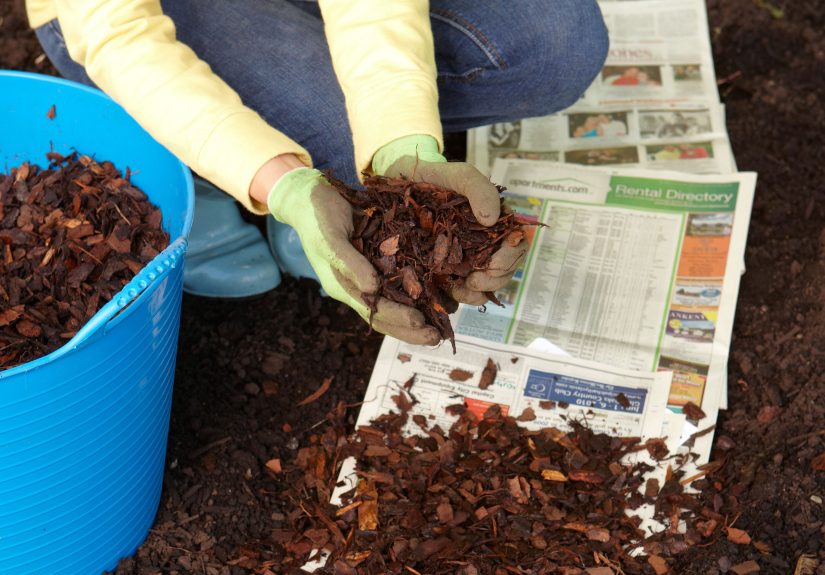
One of the smartest ways to use old newspapers in your garden is as a weed barrier between vegetable rows, around raised beds, or along walking paths. Lay down several sheets of newspaper, overlap the edges so sunlight cannot sneak through, wet the paper thoroughly, and top it with straw, leaves, or wood chips. That top layer keeps the paper from blowing away and makes the whole setup look intentional instead of like your garden lost a fight with the Sunday edition.
Why it works
The newspaper blocks light, which prevents many weed seeds from germinating. At the same time, it slowly decomposes, so you get short-term weed suppression without a permanent barrier that future roots will hate.
2. Build a No-Dig Bed Right Over Grass
If you want a new planting bed but do not want to dig up turf like you are reenacting pioneer life, newspaper can help you create a no-dig bed. Spread a thick layer of damp newspaper over grass or unwanted vegetation, then pile compost, aged manure, leaf mold, and mulch on top. Over time, the layers smother what is underneath and begin breaking down into a richer planting area.
Best use
This method is great for turning a patch of lawn into a flower bed, pollinator patch, or small vegetable garden without a rototiller and without a dramatic argument with your lower back.
3. Hold Moisture in the Soil During Hot Weather
Summer has a special talent for making perfectly watered soil go bone-dry by lunchtime. Newspaper can help slow that moisture loss. Place a few layers around plants, then cover them with a prettier organic mulch. This combination reduces evaporation and helps the soil stay more evenly moist.
This is especially helpful around thirsty crops such as tomatoes, peppers, cucumbers, and squash. Consistent moisture supports healthier growth and can reduce the stress that leads to problems like blossom-end rot in moisture-sensitive crops.
4. Keep Strawberries and Other Low Fruits Cleaner
Newspaper used under a light layer of mulch can help keep fruit cleaner by reducing soil splash during rain or irrigation. That matters for strawberries and other low-growing crops that have a bad habit of landing directly in the mud right when they are finally ready to eat.
How to use it
Lay newspaper around plants, leave breathing room around stems, and add straw or another loose mulch on top. The goal is not to wrap your berries like gifts. The goal is to create a cleaner, drier surface that helps keep fruit off wet soil and makes harvest less messy.
5. Make Biodegradable Seed-Starting Pots
This may be the most charming use of old newspapers in the garden. Fold newspaper into small pots, fill them with seed-starting mix, and sow your seeds. When the seedlings are ready, transplant the whole thing into the ground. The paper breaks down, and your seedling avoids the drama of being yanked from a plastic cell.
Why gardeners love this trick
It is inexpensive, beginner-friendly, and surprisingly effective. Newspaper pots are especially useful for gardeners starting lots of flowers or vegetables indoors on a budget.
One important tip
When transplanting, make sure any rim of paper sticking above the soil is trimmed down or buried. If the collar stays exposed, it can wick moisture away from the root zone like a tiny paper straw with bad intentions.
6. Line Wire Baskets, Laundry Baskets, or Potato Towers
Newspaper can also be used to line airy containers or makeshift planters that would otherwise leak potting mix everywhere. If you are growing potatoes in a wire tower, experimenting with a laundry basket, or improvising with a basket-style container, newspaper can help hold the soil in place long enough for roots to settle in.
It is not a forever liner, and that is exactly the point. It gives structure at the beginning, then slowly softens and decomposes. For gardeners who enjoy creative container gardening, this is one of those low-cost hacks that feels oddly satisfying.
7. Add Carbon-Rich “Brown” Material to Compost
Compost piles need balance. Kitchen scraps and fresh green clippings bring moisture and nitrogen, while dry “brown” materials provide carbon and structure. Shredded newspaper fits nicely into that brown category. If your compost pile smells funky, looks slimy, or resembles a failed lasagna experiment, it probably needs more carbon.
How to use it well
Shred or tear newspaper into strips and mix it with food scraps, dried leaves, or garden trimmings. Do not dump in a soggy newspaper brick and walk away proudly. Mix it in so air can still circulate.
Used properly, newspaper helps compost stay better balanced and less likely to compact into a wet mess.
8. Make Cozy Bedding for a Worm Bin
If you vermicompost, old newspaper is basically part of the hospitality package. Shredded newspaper makes excellent bedding for composting worms because it absorbs moisture, creates air pockets, and gives worms a comfortable place to live while they work through kitchen scraps.
What to do
Shred the paper, dampen it until it feels like a wrung-out sponge, fluff it up, and add it to the bin. You can mix it with cardboard, a little finished compost, or a small amount of topsoil. Your worms will not send a thank-you card, but they will definitely get to work.
9. Use It as a Temporary Frost Cover in a Pinch
When the forecast suddenly whispers the word “frost” after you have already planted tender seedlings, newspaper can become an emergency shield. Lightly cover vulnerable plants overnight using sheets of newspaper, especially when better materials are not available.
Important reminder
This is a short-term, one-night rescue move, not a full-season row cover strategy. Remove the paper in the morning once temperatures rise and sunlight returns. Think of it as a garden first-aid kit, not a permanent fashion statement for your peppers.
10. Ripen Green Tomatoes Indoors
At the end of the season, gardeners often end up with a pile of stubborn green tomatoes and a vague sense of betrayal. Newspaper can help here too. Place dry, mature green tomatoes in a box or shallow container lined with newspaper, keep the fruit from touching too much, and cover lightly with more paper if needed.
This method cushions the fruit, helps moderate moisture, and makes it easier to check for soft spots or rot. It is a practical way to extend the harvest after cool weather arrives. No, it will not turn every tomato into a perfect late-summer masterpiece, but it can save plenty of fruit from going to waste.
11. Top-Dress Large Containers to Slow Drying
Container gardens dry out faster than in-ground beds, especially in hot, windy weather. A few layers of damp newspaper beneath a decorative mulch on top of the potting mix can help reduce evaporation in big containers. This works well for large tomato pots, whiskey barrels, and oversized patio planters.
Why this is useful
Container soil can swing from soggy to dusty with Olympic speed. Newspaper helps buffer that moisture loss, which means less frantic watering and fewer plants acting offended by noon.
12. Cover Bare Soil in Resting Beds Over Winter
If you have a bed that is finished for the season, newspaper can serve as a temporary protective layer over bare soil. Add damp newspaper, then top it with shredded leaves, straw, or compost. This helps reduce erosion, suppress cool-season weeds, and protect soil from being beaten down by rain.
Come spring, most of that layer will already be breaking down, which makes cleanup much easier than dealing with synthetic barriers. It is a simple off-season habit that can leave your soil in better shape for the next round of planting.
What Not to Do With Newspaper in the Garden
- Do not use glossy inserts, slick ads, or heavily coated pages.
- Do not pile newspaper too thickly and leave it bare for months, because dense layers can limit water and air movement.
- Do not leave paper edges sticking high above the soil around transplants, where they can wick moisture away from roots.
- Do not use wet newspaper directly under crops that need a dry resting surface for storage quality, such as some squash and pumpkins.
- Do not expect newspaper alone to be attractive. It usually needs a top layer of straw, leaves, or wood chips.
Common Gardener Experiences Using Newspaper in the Garden
Gardeners who start using newspaper in the garden usually begin with skepticism. The first thought is often something like, “This cannot possibly be a real gardening technique. This looks like I am landscaping with the sports section.” But after one season, many people notice the same pattern: the newspaper works best when it plays a supporting role rather than a starring one.
For example, gardeners often report that weed pressure drops noticeably when newspaper is used under straw or wood chips. The bed looks neater, watering seems to last longer, and pulling stray weeds becomes less of a full-body workout. The difference is especially obvious in vegetable patches where weeds normally rush in after every summer thunderstorm like they have been waiting backstage for their cue.
Another common experience comes from seed starting. Newspaper pots are rarely elegant. They lean. They wrinkle. They sometimes look like tiny origami projects completed during a power outage. Yet they can be surprisingly effective. Gardeners like them because they are free, easy to make in batches, and useful for plants that dislike root disturbance. The moment a seedling survives transplanting without throwing a weeklong tantrum, newspaper pots suddenly start to look pretty smart.
Composters also tend to appreciate newspaper once they realize it can rescue a pile that has gone too wet. A soggy compost heap can smell rough and compact into a dense lump, but shredded newspaper helps introduce carbon and texture. In real-life gardening, that balance matters more than perfection. Most gardeners are not trying to build laboratory-grade compost. They are trying to make something dark, crumbly, and useful without attracting complaints from the neighbors.
Worm bin users often have the most enthusiastic reactions. Shredded newspaper is easy to store, easy to moisten, and easy to mix with cardboard or food scraps. Once the bedding is right, the bin tends to run more smoothly. For many gardeners, this is the moment old newspapers stop being clutter and start becoming part of a reliable backyard system.
There are, of course, lessons learned the hard way. Many gardeners discover that uncovered newspaper can blow across the yard with truly impressive determination. Others learn that using too much of it in one thick sheet can create a mat that sheds water instead of welcoming it. And nearly everyone who has ever left a flap of newspaper sticking above the soil around a transplant eventually learns about moisture wicking. Gardening is generous with lessons, but not always subtle.
What makes newspaper so useful is not that it is glamorous. It absolutely is not. It is useful because it is available, adaptable, and forgiving. In a good garden, not every solution needs to be store-bought, color-coordinated, or labeled “premium.” Sometimes the old-school, low-cost trick is the one that quietly does the job best. And when that trick also helps recycle something you already have, that is not just clever gardening. That is common sense in work gloves.
Conclusion
Old newspapers may not look like a luxury garden product, but they can solve a surprising number of everyday problems. From weed suppression and moisture control to seed starting, composting, worm bedding, and frost protection, this humble material earns its place in the garden again and again. The key is using it thoughtfully: stick with plain newsprint, pair it with natural mulch, and match the method to the job.
So before you recycle that stack of yesterday’s headlines, consider giving it one more assignment. Your garden will not care that the news is old. It will only care that the soil stays moist, the weeds stay down, and the tomatoes get a second chance.