Table of Contents >> Show >> Hide
- What “healthy 500-calorie dinner” actually means
- Quick measuring hacks (so you don’t have to weigh your soul)
- 27 Healthy 500-Calorie Dinners (recipe blueprints)
- 1) Sheet-Pan Lemon-Garlic Chicken + Broccoli + Baby Potatoes
- 2) Chicken Fajita Cabbage Wraps
- 3) One-Pot Lemon Chicken Orzo with Cabbage
- 4) Lemony Chicken “Piccata” Soup
- 5) Turkey & Bean Chili with Spinach
- 6) Greek Chicken Bowl with Tzatziki
- 7) Air Fryer Chicken Parmesan (Weeknight Edition)
- 8) Sheet-Pan Salmon + Asparagus with Dijon-Lemon Yogurt
- 9) Garlicky Shrimp & Brown Rice Skillet
- 10) Sesame Tuna Bowl with Cucumber & Edamame
- 11) Baked Fish Tacos with Avocado-Lime Slaw
- 12) Miso-Ginger Salmon with Bok Choy
- 13) Lightened-Up Cod Chowder
- 14) Tilapia + Green Beans + Quinoa
- 15) “French Onion” Chickpea Skillet
- 16) Baked Feta, Tomato & White Bean Skillet
- 17) Egg Roll-in-a-Bowl (Tofu or Turkey)
- 18) Sloppy Joe–Stuffed Sweet Potato (Lentil Version)
- 19) Cauliflower Fried Rice with Eggs & Peas
- 20) Tempeh Stir-Fry with Peanut-Lime Sauce (Measured!)
- 21) Portion-Control Stuffed Shells with Spinach
- 22) Turkey Meat Sauce over Zucchini Noodles (or Half Pasta, Half Zoodles)
- 23) Beef & Broccoli with Garlic Sauce + 1/2 Cup Rice
- 24) Pork Tenderloin Medallions + Brussels + Apple
- 25) Veggie Lasagna Roll-Ups (Light Cheese Strategy)
- 26) Chopped “Superfood” Salad with Salmon or Chickpeas
- 27) Soy-Lime Cabbage Salad with Ground Protein
- Smart sides that won’t blow the budget
- Meal prep tips for 500-calorie dinners
- Experience: what 500-calorie dinners feel like in real life (the extra )
- Conclusion
A 500-calorie dinner sounds like the kind of thing you eat while staring dramatically out a window, wondering where joy went. Good news: that’s optional. When you build the meal smart (protein + fiber + real flavor), a 500-calorie dinner can feel like “normal dinner,” not “punishment dinner.”
This guide gives you 27 healthy 500-calorie dinner ideas (with quick recipe blueprints), plus practical tips to keep portions reasonable without turning your kitchen into a math classroom. At the end, you’ll also get a 500-word “real life” section because the hardest part of low-calorie dinners is not cooking them; it’s living with them.
What “healthy 500-calorie dinner” actually means
“500 calories” is a target, not a moral score. Most adults’ calorie needs vary by age, body size, activity level, and goals. For dinner, ~500 calories often works well when it’s built to be fillingmeaning you’re not hungry again 45 minutes later, aggressively negotiating with a bag of chips.
The simple formula that makes 500 calories feel like more
- High-volume plants: non-starchy veggies, salads, brothy soups, roasted vegetables.
- Lean protein: chicken, fish, turkey, beans, tofukeeps the meal satisfying.
- Smart carbs: whole grains, beans, potatoes in measured portions (not “free-poured”).
- Measured fats: oils, nuts, cheese are greatjust easy to overdo without noticing.
Where 500-calorie dinners usually go off the rails
- Cooking oil and butter: a “glug” can quietly become 200+ calories.
- Restaurant-style sauces: creamy or sugary sauces can double calories fast.
- Cheese and crunchy toppers: delicious, but calorie-dense (use as garnish, not a blanket).
- Portions of starches: rice/pasta is rarely the villainunmeasured piles are.
Quick measuring hacks (so you don’t have to weigh your soul)
You don’t need a food scale for every meal, but you do need some guardrails. Try these:
- Use a smaller plate when you’re eyeballing portions.
- Measure oils once (1–2 teaspoons per person goes farther than you think).
- Pre-portion leftovers into containers so “seconds” requires a decision, not a reflex.
- Let veggies take the leadthey make the plate look huge for very few calories.
27 Healthy 500-Calorie Dinners (recipe blueprints)
Each idea below is designed to land around the 450–500 calorie range when portioned reasonably. If you want a more precise number, track the ingredients you use (brands and amounts matter).
1) Sheet-Pan Lemon-Garlic Chicken + Broccoli + Baby Potatoes
Toss chicken breast (or skinless thighs), broccoli florets, and halved baby potatoes with lemon, garlic, oregano, and measured olive oil. Roast until crisp-edged and juicy. Big flavor, minimal dishes.
2) Chicken Fajita Cabbage Wraps
Sauté sliced chicken, peppers, and onions with fajita spices. Serve in crunchy cabbage leaves with salsa and a spoon of Greek yogurt. It tastes like takeout, but your plate stays in control.
3) One-Pot Lemon Chicken Orzo with Cabbage
Simmer orzo in broth with shredded cabbage and herbs, then stir in cooked chicken and lemon. The cabbage adds volume so the pasta portion can stay modest without feeling stingy.
4) Lemony Chicken “Piccata” Soup
Make a brothy soup with chicken, carrots/celery, capers, lemon, and a small scoop of pasta or rice. Piccata vibes, soup comfort, and a calorie budget that doesn’t scream.
5) Turkey & Bean Chili with Spinach
Brown lean turkey with onion, chili powder, cumin, and garlic. Add beans, crushed tomatoes, and a handful of spinach. Finish with lime. Top with a little avocado or light cheesekeyword: little.
6) Greek Chicken Bowl with Tzatziki
Build a bowl: chopped cucumber/tomato, shredded romaine, grilled chicken, and a measured scoop of brown rice or quinoa. Add tzatziki (or yogurt + garlic + dill) and lemon.
7) Air Fryer Chicken Parmesan (Weeknight Edition)
Bread chicken lightly (or use almond flour), air-fry until crisp, then top with warm marinara and a small sprinkle of mozzarella. Serve with roasted zucchini instead of a mountain of pasta.
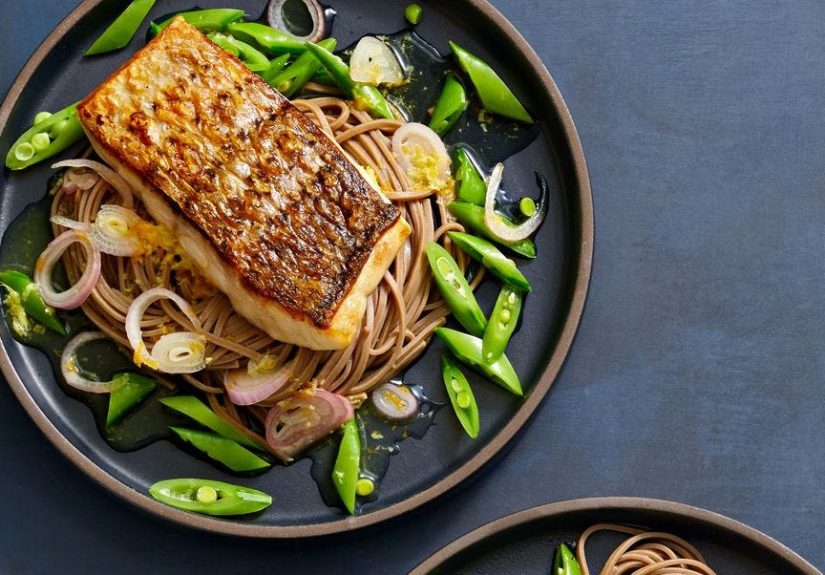
8) Sheet-Pan Salmon + Asparagus with Dijon-Lemon Yogurt
Roast salmon and asparagus. Stir Dijon + lemon into Greek yogurt for a tangy sauce that feels rich without needing a heavy cream base. Add a small side of farro or potatoes if needed.
9) Garlicky Shrimp & Brown Rice Skillet
Cook shrimp with garlic, paprika, and a squeeze of lemon. Serve over about 1/2 cup cooked brown rice and pile on sautéed spinach or frozen mixed vegetables.
10) Sesame Tuna Bowl with Cucumber & Edamame
Use seared tuna (or canned tuna in a pinch) with cucumbers, edamame, shredded carrots, and a soy-ginger dressing. Keep the rice portion controlled and let the veggies do the heavy lifting.
11) Baked Fish Tacos with Avocado-Lime Slaw
Bake white fish with chili-lime seasoning. Stuff into corn tortillas with cabbage slaw, cilantro, and a small amount of avocado. Taco night, but not a calorie ambush.
12) Miso-Ginger Salmon with Bok Choy
Brush salmon with miso + ginger + a touch of honey, then broil. Serve with sautéed bok choy and mushrooms. Add a small scoop of rice if you want it more filling.
13) Lightened-Up Cod Chowder
Make chowder with cod, potatoes, corn, celery, and broth. Use evaporated milk (or blended potatoes) for creaminess instead of heavy cream. Cozy without going nuclear on calories.
14) Tilapia + Green Beans + Quinoa
Season tilapia with lemon pepper and pan-sear with a small amount of oil. Add green beans (garlic + squeeze of lemon) and a measured quinoa portion. Simple, fast, balanced.
15) “French Onion” Chickpea Skillet
Caramelize onions (slow-ish, but worth it), stir in chickpeas, and top with a small sprinkle of cheese under the broiler. Serve with a big side salad to keep it hearty.
16) Baked Feta, Tomato & White Bean Skillet
Bake cherry tomatoes and garlic until jammy, stir in white beans, then crumble in a bit of feta. Spoon over spinach or zucchini ribbons. It’s creamy, bright, and surprisingly filling.
17) Egg Roll-in-a-Bowl (Tofu or Turkey)
Sauté shredded cabbage, carrots, and scallions with garlic and ginger. Add tofu cubes or lean ground turkey. Finish with soy sauce + rice vinegar + sesame seeds. Crunchy, savory, and huge.
18) Sloppy Joe–Stuffed Sweet Potato (Lentil Version)
Split a baked sweet potato and top with saucy lentils (tomato paste, smoked paprika, mustard). It hits the comfort-food button while staying fiber-forward and portion-friendly.
19) Cauliflower Fried Rice with Eggs & Peas
Stir-fry riced cauliflower with peas, carrots, egg, and soy sauce. Add shrimp or chicken if you want more protein. It tastes like fried rice’s responsible sibling who still knows how to have fun.
20) Tempeh Stir-Fry with Peanut-Lime Sauce (Measured!)
Crisp tempeh and stir-fry with bell peppers and snap peas. Make a sauce with peanut butter, lime, soy sauce, and water to thin. Peanut butter is powerfuluse it like a spice, not a soup base.
21) Portion-Control Stuffed Shells with Spinach
Stuff a few jumbo shells with ricotta + spinach and bake in marinara. Keep the serving to a modest number of shells and add a giant salad so it feels like a full meal, not a tiny pasta exhibit.
22) Turkey Meat Sauce over Zucchini Noodles (or Half Pasta, Half Zoodles)
Simmer lean turkey in marinara with garlic, basil, and mushrooms. Serve over zoodles or a mix of pasta and zoodles. You get the comfort of noodles with a calorie buffer.
23) Beef & Broccoli with Garlic Sauce + 1/2 Cup Rice
Use lean beef strips and plenty of broccoli. Sauce it with garlic, ginger, soy sauce, and a cornstarch slurry. Serve over a controlled rice portion and add extra veggies if you’re still hungry.
24) Pork Tenderloin Medallions + Brussels + Apple
Pan-sear pork tenderloin medallions, then roast Brussels sprouts until crisp. Add sliced apple for sweetness. This feels fancy, but it’s basically “protein + veg + smart flavor.”
25) Veggie Lasagna Roll-Ups (Light Cheese Strategy)
Roll lasagna noodles around zucchini/spinach and a modest amount of ricotta. Bake in marinara. The trick: more vegetables, less cheese, and one or two roll-ups paired with salad.
26) Chopped “Superfood” Salad with Salmon or Chickpeas
Toss greens with crunchy veggies, a citrusy vinaigrette, and salmon (or chickpeas). Add a small handful of grains if desired. It’s the kind of salad that doesn’t feel like a sad apology for dinner.
27) Soy-Lime Cabbage Salad with Ground Protein
Brown lean ground chicken or beef with garlic and ginger. Toss with shredded cabbage, lime, and a soy-sesame dressing. It’s fast, bright, and excellent for meal prepjust keep crunchy toppings separate.
Smart sides that won’t blow the budget
If your dinner lands closer to 430 calories and you want a little more volume, try one of these:
- Brothy veggie soup (think “warm-up lap” before the main meal).
- Extra roasted vegetables with lemon and herbs.
- Fruit + cinnamon as dessert (simple, sweet, and not a sugar avalanche).
- Air-popped popcorn as a crunchy side snack (yes, that’s allowed).
Meal prep tips for 500-calorie dinners
- Cook protein in batches: roast chicken, bake salmon, or simmer lentils once, then remix all week.
- Pre-chop veggies: the easier they are, the more likely they end up on your plate.
- Sauce on the side: you control how much hits the plate (and how many calories come with it).
- Portion leftovers immediately: future-you deserves decisions made in daylight.
Experience: what 500-calorie dinners feel like in real life (the extra )
Here’s the honest truth nobody puts on the “healthy dinner ideas” pin: the first week of aiming for 500-calorie meals is less about cooking and more about spotting the sneaky stuff. You’ll think you made a perfectly reasonable dinner…until you remember the two “tiny” handfuls of cheese, the extra drizzle of olive oil, and the sauce that you “just eyeballed” (aka: poured with confidence). The learning curve isn’t painfulit’s just surprisingly specific.
The biggest shift most people notice is that satisfaction comes from the shape of the meal, not the number. When the plate has a real protein anchor (chicken, fish, beans, tofu) and a ridiculous amount of vegetables, your brain reads it as a meal. When the plate is mostly starch with a sprinkle of protein and a cameo appearance by broccoli, 500 calories can feel like a snack pretending to be dinner.
Another very real experience: sauces become your best friend and your worst enemy. They’re the reason healthy food tastes like real food. They’re also calorie-dense enough to sabotage a budget quietly. The fix is boring but effective: treat sauces like a “measured accessory.” Put the dressing in a small cup. Spoon it on. Taste. Add more only if it truly needs it. The fun part is that your palate adapts fastafter a couple weeks, you’ll notice you actually prefer brighter, punchier flavors (lemon, vinegar, herbs, spice) over heavy, creamy everything.
Weeknights are where the 500-calorie plan either becomes sustainable or turns into a dramatic monologue. The winners are meals that remove decisions: sheet-pan dinners, one-pot soups, bowls with a repeatable structure. You’ll also learn what your personal “hunger alarms” sound like. Sometimes you’re hungry because the meal is too small. Sometimes you’re hungry because you ate too fast, skipped vegetables, or didn’t include enough protein. And sometimes you’re not hungryyou’re just tired and your brain is asking for crunchy, salty comfort. On those nights, a planned side (brothy soup, extra veggies, fruit, or popcorn) is less about willpower and more about preventing a later kitchen raid.
Over time, the best “experience win” is freedom: you stop seeing 500 calories as a restriction and start seeing it as a design challenge. How can you make a plate look generous, taste amazing, and still feel light afterward? That’s where the real confidence shows up. You figure out your go-to flavors (taco spices, lemon-garlic, soy-ginger, tomato-basil), your go-to proteins, and the vegetables you actually like (not the ones you think you’re supposed to like). And once you have those building blocks, 500-calorie dinners stop being a diet trick and start being a normal, repeatable way to eat.
Conclusion
The goal isn’t to eat “perfect” 500-calorie dinners forever. It’s to have a dependable list of healthy, satisfying meals that help you feel good, hit your nutrition goals, and still enjoy dinner like a normal human. Start with 3–5 recipes from the list, repeat them until they’re effortless, then rotate in new ones when you’re ready.