Table of Contents >> Show >> Hide
- What Are Barbotine Olive Oil Bottles?
- Why Barbotine and Olive Oil Make Such a Good Pair
- A Brief History of Barbotine Ceramics
- Barbotine vs. Majolica: Are They the Same?
- Popular Styles of Barbotine Olive Oil Bottles
- How to Choose the Best Barbotine Olive Oil Bottle
- How to Use Barbotine Olive Oil Bottles Correctly
- Cleaning and Care Tips
- Decorating With Barbotine Olive Oil Bottles
- Are Antique Barbotine Olive Oil Bottles Safe to Use?
- Barbotine Olive Oil Bottles as Gifts
- Common Mistakes to Avoid
- Real-Life Experience With Barbotine Olive Oil Bottles
- Conclusion
Some kitchen objects quietly do their job. Others enter the room wearing a little ceramic hat, a glossy floral jacket, and the confidence of a Mediterranean grandmother who knows exactly how much olive oil your salad needs. Barbotine olive oil bottles belong to the second group.
These bottles are more than containers. They are small sculptures, table accessories, conversation starters, and sometimes collectible pieces of ceramic history. Whether you are decorating a farmhouse kitchen, upgrading your countertop, or trying to understand why antique lovers keep whispering “barbotine” like it is a secret password, this guide will walk you through the charm, function, history, and practical use of barbotine olive oil bottles.
What Are Barbotine Olive Oil Bottles?
A barbotine olive oil bottle is typically a ceramic oil dispenser decorated with raised, slip-applied details. The word “barbotine” refers to liquid clay slip used in pottery. Artists apply this slip to the surface of a ceramic piece to create texture, depth, floral ornaments, fruit motifs, leaves, vines, or sculptural relief. In plain kitchen language: it is pottery with decoration that pops out instead of just sitting flat like a wallflower at a dinner party.
Traditional barbotine ceramics are often associated with French and European pottery, especially colorful majolica and Art Nouveau-inspired decorative wares from the late nineteenth and early twentieth centuries. Modern barbotine-style olive oil bottles borrow from that heritage while serving a very practical purpose: storing and pouring olive oil beautifully.
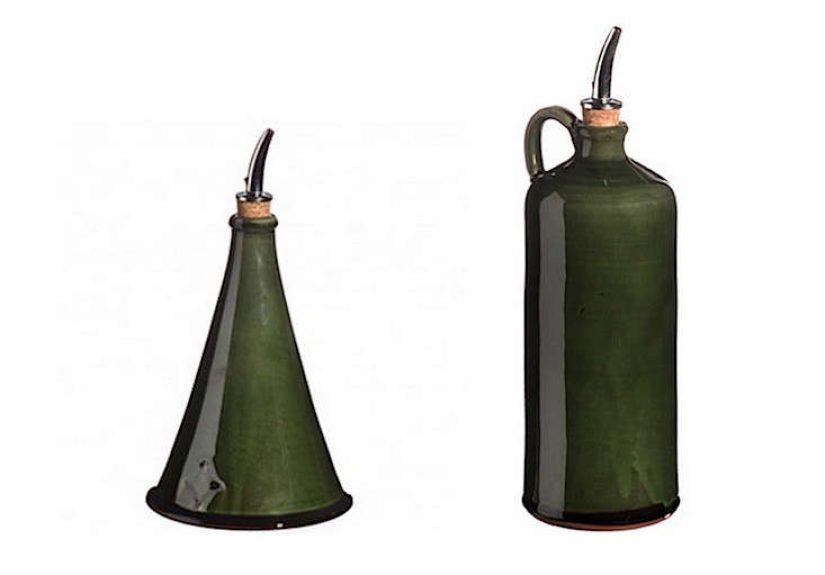
These bottles may be shaped like classic cruets, small pitchers, handled jugs, tapered ceramic bottles, or decorative dispensers with metal pour spouts. Some are hand-painted with olives, lemons, grapes, lavender, sunflowers, roosters, or rustic Mediterranean patterns. Others are glazed in rich solid colors that look equally at home beside a cutting board, a sourdough loaf, or a bowl of pasta waiting for its glossy finishing drizzle.
Why Barbotine and Olive Oil Make Such a Good Pair
Olive oil has always loved a handsome container. In Mediterranean kitchens, oil is not just a cooking fat; it is flavor, culture, hospitality, and occasionally the reason roasted vegetables become suspiciously addictive. A barbotine bottle fits that spirit because it turns everyday pouring into a small ritual.
1. Ceramic Helps Protect Olive Oil From Light
Extra virgin olive oil is sensitive to light, heat, and air. Clear bottles may look attractive, but too much light exposure can speed up oxidation and reduce flavor quality. Ceramic bottles are usually opaque, which helps shield the oil from light. That does not mean you should park the bottle on a sunny windowsill like it is working on a tan. Store it in a cool, dark area when possible, especially if the oil is expensive or delicate.
2. Barbotine Bottles Add Character to the Kitchen
A stainless steel oil can says, “I am efficient.” A plastic squeeze bottle says, “I may have watched too many cooking videos.” A barbotine olive oil bottle says, “There will be bread, there will be herbs, and someone here knows how to host.” Its raised decoration gives visual texture, while glossy glazes add warmth and color.
3. They Make Controlled Pouring Easier
Many ceramic olive oil bottles include narrow necks or fitted pour spouts. This helps control the flow of oil when dressing salads, finishing soups, coating vegetables, or drizzling over grilled bread. A good spout prevents the classic kitchen tragedy known as “I meant one tablespoon and poured half the bottle.”
A Brief History of Barbotine Ceramics
Barbotine decoration has deep roots in ceramic history. The technique of applying liquid clay slip to a vessel surface has appeared in different periods and regions, including ancient pottery traditions. In the decorative arts market, however, “barbotine” is most commonly linked with colorful European ceramics, particularly French art pottery and majolica-style wares.
During the nineteenth century, ceramic artists became fascinated with expressive surfaces. Instead of smooth, polite decoration, they wanted texture, relief, and painterly effects. Barbotine allowed them to build up flowers, leaves, landscapes, shells, animals, and fruit in raised forms. The result was lively and tactile, sometimes elegant, sometimes playful, and occasionally so exuberant that the object looked like it had raided a garden and refused to apologize.
French potteries, including makers associated with regions such as Limoges, Bourg-la-Reine, Sarreguemines, Onnaing, Vallauris, and other ceramic centers, helped popularize colorful slip decoration. Barbotine was also connected to the broader majolica revival, which emphasized glossy surfaces, saturated color, naturalistic motifs, and decorative abundance.
In the United States, art pottery movements also experimented with underglaze slip decoration. American ceramic artists and potteries explored barbotine-like effects as part of the late nineteenth-century enthusiasm for hand-decorated ceramics. This history matters because modern barbotine olive oil bottles are not just “cute kitchen bottles.” They belong to a long design family where clay, color, and function have been happily sharing the dinner table for generations.
Barbotine vs. Majolica: Are They the Same?
The terms often overlap, but they are not exactly identical. Majolica generally refers to glazed earthenware known for colorful decoration. Depending on context, it can mean Italian tin-glazed maiolica, Victorian majolica with bright lead glazes, or later majolica-inspired ceramics. Barbotine refers more specifically to the slip-decoration technique, especially raised or painterly decoration made with liquid clay.
Think of majolica as the larger party and barbotine as one especially dramatic guest who brought flowers, texture, and a very shiny glaze. A ceramic olive oil bottle can be majolica-style, barbotine-decorated, both, or simply inspired by those traditions.
Popular Styles of Barbotine Olive Oil Bottles
French Country Barbotine Bottles
French country designs often feature olives, grapes, vines, lemons, lavender, or soft rustic glazes. These bottles pair beautifully with open shelving, linen napkins, copper pans, and wooden boards. They are ideal for kitchens that want warmth without looking like a themed restaurant gift shop.
Italian Majolica-Inspired Oil Bottles
Italian-style ceramic oil bottles often use bright hand-painted patterns, lemons, blue scrollwork, fruit, or Tuscan motifs. While not always true barbotine, many share the same spirit of decorative abundance. They look especially good beside pasta bowls, tomato dishes, and anything involving basil.
Antique Barbotine Cruets
Antique or vintage barbotine cruets may have floral relief, grape clusters, figural handles, cabbage-leaf forms, or ornate glazing. These pieces are beloved by collectors, but they should be treated carefully. Many older ceramics were made before modern food-safety expectations. Unless an antique bottle has been professionally tested and confirmed safe for food contact, it is wiser to use it as decor rather than for storing olive oil.
Modern Handmade Ceramic Oil Dispensers
Contemporary potters create ceramic oil bottles that capture the charm of barbotine while meeting modern functional needs. Look for food-safe glazes, tight-fitting pour spouts, comfortable handles, easy refilling, and interiors designed for oil storage. A modern handmade version gives you the character of old-world pottery without the “is this mysterious antique glaze trying to poison my vinaigrette?” anxiety.
How to Choose the Best Barbotine Olive Oil Bottle
Check for Food-Safe Glazing
If you plan to use the bottle for olive oil, make sure it is labeled food safe. This is especially important for handmade, imported, vintage, or antique ceramic bottles. Decorative pottery is not automatically safe for storing food. A bottle can look like it belongs in a French farmhouse and still be better suited for holding dried flowers than extra virgin olive oil.
Choose the Right Size
A good everyday olive oil bottle usually holds enough for regular cooking but not so much that the oil sits around for months. Smaller bottles are better for tabletop use because they limit air exposure and encourage faster turnover. Large decorative bottles are lovely, but unless you cook like a small village is arriving for lunch, they may not be practical for daily oil storage.
Look for an Opaque Body
Ceramic has a major advantage: it blocks light. Choose a fully opaque bottle if freshness matters. Dark glass can also work, but ceramic gives you both protection and personality.
Inspect the Spout
A quality pour spout should fit snugly, pour smoothly, and be easy to remove for cleaning. Stainless steel and cork combinations are common. Some spouts include a small cap or flap to reduce dust and air exposure. Avoid loose spouts that wobble like they are reconsidering their career.
Consider the Neck Opening
A wide enough opening makes refilling easier and reduces spills. If the bottle has a very narrow neck, use a small funnel. Olive oil on the countertop may smell wonderful, but it also turns cleaning into an unnecessarily slippery sport.
How to Use Barbotine Olive Oil Bottles Correctly
First, wash the bottle before use if it is new and marked food safe. Let it dry completely. Water left inside the bottle can affect the oil and may encourage unpleasant smells. Once dry, fill it with a reasonable amount of olive oil, attach the pour spout, and store it away from direct sunlight and heat.
Do not keep your ceramic oil bottle beside the stove for long periods. It may look convenient, but heat can damage olive oil quality. A pantry, cabinet, shaded counter, or dining table used only during meals is better.
If you use premium extra virgin olive oil, refill the bottle in small batches. Keep the main supply sealed in its original dark bottle, tin, or bag-in-box container, then decant only what you will use in the near future. This gives you the beauty of a barbotine dispenser without sacrificing freshness.
Cleaning and Care Tips
Olive oil leaves residue over time, so your bottle should be cleaned periodically. For most ceramic oil bottles, warm water and mild dish soap are enough. Add a small amount of uncooked rice if you need gentle abrasion inside the bottle, swirl carefully, then rinse thoroughly. Avoid harsh scrubbers on raised barbotine decoration because textured ceramic details can chip if treated roughly.
Let the bottle dry completely before refilling. This may take longer than expected, especially with narrow-necked bottles. Place it upside down on a drying rack, then allow extra air-drying time. A bottle that still smells soapy or damp is not ready for oil.
For antique bottles, avoid dishwashers, soaking, boiling water, and aggressive cleaners. Treat them like delicate collectibles. If the glaze is crazed, cracked, flaking, or stained, use the piece decoratively only.
Decorating With Barbotine Olive Oil Bottles
Barbotine olive oil bottles are useful, but let us be honest: half the appeal is how good they look. Place one on a wooden tray with a pepper mill, sea salt cellar, and small bowl of lemons. Group a floral barbotine cruet with terracotta pots and herbs. Display an antique bottle on open shelving with cookbooks and vintage plates. Use a colorful ceramic dispenser as a centerpiece for casual dinners.
The best styling trick is contrast. If your kitchen is mostly white, choose a bottle with bold color. If your kitchen already has patterned tile, pick a simpler glaze. If your countertop is crowded, let one beautiful bottle stand alone rather than forcing it to compete with the toaster, coffee grinder, and that one appliance nobody remembers buying.
Are Antique Barbotine Olive Oil Bottles Safe to Use?
Sometimes, but caution is smart. Antique and vintage ceramics may contain lead or other materials that are not suitable for food storage. Glazes can also become crazed, chipped, or porous over time. Acidic ingredients such as vinegar are especially concerning in questionable ceramics, but oil storage should still be approached carefully.
If you own an antique barbotine bottle, consider it decorative unless you have reliable proof that it is food safe. A beautiful old cruet can still shine on a shelf, hold dried lavender, or anchor a table display. It does not need to store olive oil to earn its keep.
Barbotine Olive Oil Bottles as Gifts
A barbotine olive oil bottle makes an excellent gift for home cooks, hosts, collectors, newlyweds, and people who say “just a drizzle” while pouring with suspicious enthusiasm. Pair it with a bottle of high-quality extra virgin olive oil, a loaf of crusty bread, flaky salt, and a handwritten note. Suddenly, you are not just giving a kitchen item; you are giving someone an excuse to eat bread before dinner. That is friendship.
For a more elevated gift, choose a handmade ceramic bottle from a studio potter or a region known for pottery. For a collector, look for vintage French or Italian-inspired pieces, but clearly label them as decorative if food safety is uncertain.
Common Mistakes to Avoid
Using Decorative Bottles for Food Without Checking
Not every pretty ceramic bottle is safe for olive oil. Always check the maker’s information before using it with food.
Leaving Oil Near Heat
The stove may be convenient, but olive oil dislikes heat. Store the bottle away from ovens, burners, and sunny windows.
Filling a Large Bottle and Forgetting It
Olive oil is best enjoyed fresh. Refill smaller amounts more often rather than letting oil sit in a dispenser for months.
Ignoring Cleaning
Oil residue can become sticky and stale. Clean the bottle regularly and allow it to dry fully before refilling.
Real-Life Experience With Barbotine Olive Oil Bottles
The first time you use a barbotine olive oil bottle, you may realize how much personality a simple kitchen tool can have. A plain bottle pours oil. A barbotine bottle performs a tiny tableside ceremony. You reach for it while making salad, and suddenly the countertop feels less like a workspace and more like a cozy kitchen in Provence, even if you are actually standing in sweatpants beside an overworked microwave.
In everyday cooking, the biggest advantage is visibility. When the bottle is beautiful, you tend to keep it nearby, and when it is nearby, you use olive oil more intentionally. Instead of grabbing a large commercial bottle and accidentally flooding a pan, you pour with control. A thin stream over roasted carrots. A quick circle around tomato soup. A final glossy finish on hummus. The bottle helps slow the gesture down, which sounds dramatic until you taste the difference between “dumped” and “drizzled.”
Another practical experience is that guests notice it. People may not comment on your measuring cups or your sensible storage containers, but a raised-floral ceramic oil bottle gets attention. Someone will ask where it came from. Someone else will pick it up and inspect the texture. Then, before you know it, dinner conversation has moved from weather and traffic to French pottery, olive harvests, and whether bread counts as a complete meal if the oil is good enough. For the record, emotionally, yes.
There is also a learning curve. Textured ceramic needs more mindful handling than a basic glass dispenser. You should not knock it against the sink, toss it into the dishwasher without checking care instructions, or let the spout get gummy. After a few weeks, a rhythm develops: refill with a funnel, wipe the neck, store it away from heat, and clean it before residue builds up. The routine is simple, but it makes the bottle last longer and keeps the oil tasting cleaner.
Collectors often describe another kind of experience: the thrill of the hunt. Finding a vintage barbotine cruet at an antique shop feels like discovering a tiny artifact from a kitchen that once smelled of herbs, soup, and Sunday lunch. Even if the piece is not food safe, it carries atmosphere. Placed on a shelf, it adds a story that new decor sometimes lacks. A small chip or irregular glaze mark can feel less like a flaw and more like evidence that the bottle had a life before yours.
For modern homes, the best experience comes from balancing beauty and function. Use a new, food-safe ceramic bottle for daily olive oil, and display antique barbotine pieces as decorative accents. That way, you get the romance of old-world ceramics without gambling with glaze safety. It is the kitchen equivalent of wearing vintage jewelry with comfortable shoes: charming, practical, and far less likely to cause regret.
Conclusion
Barbotine olive oil bottles combine art, history, and everyday usefulness in one compact ceramic form. Their raised slip decoration connects them to a rich pottery tradition, while their opaque ceramic bodies make them practical for protecting olive oil from light. The best bottle is beautiful, food safe, easy to pour, simple to clean, and sized for regular use.
Whether you choose a modern handmade dispenser or an antique barbotine cruet for display, these bottles bring warmth and personality to the kitchen. They remind us that useful objects do not have to be boring. Sometimes the thing holding the olive oil deserves a little applause too.