Table of Contents >> Show >> Hide
- What Are Magic Mushrooms?
- So, Can You Smoke Magic Mushrooms?
- Why Smoking Magic Mushrooms Is Risky
- Does Smoking Shrooms Produce a Trip?
- What About Vaping Magic Mushrooms?
- Psilocybin Research Is Not the Same as Recreational Smoking
- Who Should Be Especially Cautious?
- What If Someone Already Smoked Magic Mushrooms?
- Common Myths About Smoking Magic Mushrooms
- Experiences and Stories Around Smoking Magic Mushrooms
- Conclusion: Can You Smoke Magic Mushrooms?
Can you smoke magic mushrooms? Technically, almost anything dry enough can be set on fire, including a grocery receipt, a bad birthday card, and yes, dried mushroom material. But the real question is not “can it burn?” The real question is “does smoking magic mushrooms work, and is it safe?” The short, sensible answer: smoking magic mushrooms is not considered an effective or safe way to experience psilocybin.
Magic mushrooms contain psilocybin, a naturally occurring psychedelic compound that the body converts into psilocin. Psilocin interacts with serotonin receptors in the brain, which is why psilocybin can alter perception, mood, time awareness, and thinking. Most research on psilocybin focuses on carefully controlled oral administration in clinical settingsnot smoking, vaping, or inhaling burned mushroom particles like some kind of psychedelic campfire snack.
Online myths sometimes make smoking shrooms sound like a shortcut. In reality, the idea is surrounded by uncertainty, health risks, and plenty of internet fog. Unlike regulated medical research, smoking magic mushrooms offers no controlled dose, no reliable effect, and no safety advantage. If anything, it adds lung irritation, mold concerns, and unpredictability to an already unpredictable substance.
What Are Magic Mushrooms?
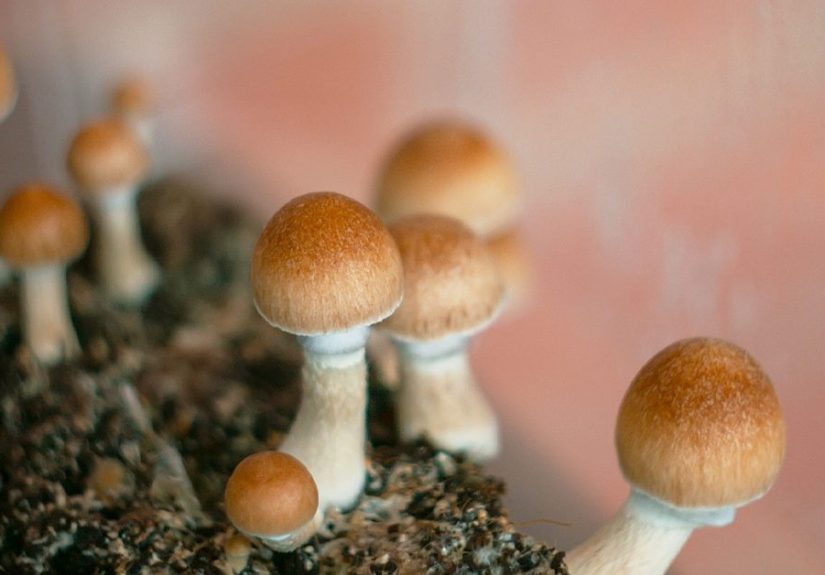
“Magic mushrooms” is the casual name for certain fungi that contain psilocybin or related compounds. They are also called shrooms, psychedelic mushrooms, or psilocybin mushrooms. After psilocybin enters the body, it is converted into psilocin, which is mainly responsible for psychedelic effects.
Possible effects can include visual changes, emotional shifts, altered sense of time, nausea, dizziness, increased heart rate, anxiety, confusion, fear, or panic. Some people describe mystical or meaningful experiences, while others describe frightening ones. This wide range is one reason clinical researchers pay so much attention to “set and setting,” meaning a person’s mental state and environment.
That difference matters. A clinical psilocybin study may involve screening, trained monitors, controlled dosing, preparation, and follow-up. Recreational use does not offer those guardrails. Smoking mushrooms adds another layer of risk because the lungs are not designed to process burned fungal material.
So, Can You Smoke Magic Mushrooms?
The practical answer is: you should not smoke magic mushrooms. There is no strong evidence that smoking shrooms is a reliable way to activate psilocybin effects. It may produce little or no psychedelic effect, and any perceived result may be inconsistent, mild, or mixed with anxiety, expectation, or the effects of other substances.
One reason is heat. Psilocybin and psilocin are chemical compounds with stability limits. Research on mushroom tryptamines shows that storage and processing conditions can affect these compounds. Combustion is far hotter and harsher than ordinary storage or laboratory handling. Burning plant or fungal material also creates smoke, ash, and fine particles that can irritate the respiratory system.
In other words, smoking mushrooms is a bit like trying to make a smoothie with a flamethrower. The concept is dramatic, but the result is not exactly wellness.
Why Smoking Magic Mushrooms Is Risky
1. Your Lungs Are Not a Mushroom Filter
When organic material burns, it produces smoke and particulate matter. Fine particles can travel deep into the lungs and irritate delicate tissue. The American Lung Association notes that particulate matter from smoke and combustion can worsen asthma and chronic lung disease and is linked to serious respiratory and cardiovascular problems.
Magic mushrooms are fungi, not inhalable medicine. Smoking them can expose the lungs to burnt fungal material, dust, spores, and contaminants. Even if someone feels “fine” afterward, that does not make the practice safe. Your lungs are excellent at breathing air. They did not sign up to become a fungal chimney.
2. Mold and Spores Are a Real Concern
Dried mushrooms may contain mold, dust, bacteria, or spores, especially if they were stored poorly. The CDC has connected dampness and mold exposure with respiratory and allergic health effects. Inhaling questionable fungal material is a very different risk from eating a grocery-store mushroom cooked in a skillet.
This is especially important for people with asthma, allergies, immune system problems, or existing lung conditions. Even people without those conditions may experience coughing, throat irritation, chest discomfort, or shortness of breath after inhaling smoke or particles.
3. Effects Are Unpredictable
Psilocybin experiences can be unpredictable even when taken in ways studied by researchers. Effects can vary based on the mushroom species, potency, a person’s health, mood, surroundings, and whether other substances are involved. Smoking adds more uncertainty because there is no reliable way to know what compounds remain active after burning or what dose, if any, reaches the body.
That uncertainty can trigger anxiety. Someone expecting a powerful effect may become nervous when something feels “off.” Someone expecting no effect may panic if they feel unusual sensations. Either way, unpredictability is not a feature; it is the flashing warning light on the dashboard.
4. Contamination and Misidentification Can Be Dangerous
Another risk with magic mushrooms is mistaken identity. Some poisonous mushrooms resemble psilocybin-containing mushrooms. Misidentification can lead to serious illness or even fatal poisoning. Products sold in unregulated settings may also be mislabeled or contaminated.
Smoking does not solve those problems. It may make them harder to evaluate because coughing, nausea, dizziness, anxiety, or chest discomfort could come from smoke exposure, panic, contamination, or another substance entirely.
5. Legal Risks Still Apply
In the United States, psilocybin is listed as a Schedule I controlled substance at the federal level. Some cities and states have changed enforcement priorities or created supervised access programs, but those local changes do not erase federal law. The legal landscape is evolving, but “evolving” does not mean “anything goes.”
For readers researching this topic for health, school, journalism, or general curiosity, the key point is simple: legality varies by location, but federal restrictions remain serious.
Does Smoking Shrooms Produce a Trip?
There is no reliable scientific evidence showing that smoking magic mushrooms produces a predictable psilocybin trip. Some online anecdotes claim mild effects; others say nothing happened except a terrible taste, harsh smoke, or coughing. Anecdotes are not the same as controlled evidence.
Because psilocybin research has mostly studied oral forms under controlled conditions, claims about smoking are shaky. It is also possible that some reported “effects” come from expectation, anxiety, other substances, or the general physical stress of inhaling smoke.
That makes smoking shrooms a poor idea from both a health perspective and a practicality perspective. It is unreliable, risky, and medically unsupported. If magic mushrooms had a customer-service desk, smoking them would be the complaint line nobody wants to answer.
What About Vaping Magic Mushrooms?
Vaping magic mushrooms is also not a safe or recommended alternative. Vaping unregulated substances can expose the lungs to unknown chemicals, particles, solvents, flavorings, contaminants, or synthetic compounds. The FDA and public-health agencies have repeatedly warned that inhaled products can carry serious respiratory risks, especially when ingredients are unregulated or poorly understood.
Some products marketed as “mushroom vapes” may not contain psilocybin at all. Others may contain legal mushroom extracts, synthetic tryptamines, or unknown substances. Labels are not always trustworthy in gray-market products. A colorful package does not equal quality control; sometimes it just means the printer had a busy afternoon.
Psilocybin Research Is Not the Same as Recreational Smoking
Psilocybin is being studied for conditions such as depression, anxiety, substance use disorders, and distress related to serious illness. The FDA has issued guidance for clinical investigations of psychedelic drugs, and major medical institutions are studying psilocybin-assisted therapy. That does not mean smoking magic mushrooms is medically approved, safe, or useful.
Clinical research usually involves carefully measured psilocybin, trained professionals, screening for mental health risks, monitoring, and follow-up. Recreational smoking offers none of that. The gap between a controlled clinical trial and smoking dried mushroom material is not a small crack in the sidewalk; it is the Grand Canyon wearing a lab coat.
Who Should Be Especially Cautious?
Everyone should avoid smoking magic mushrooms, but some people face higher risk. That includes anyone with asthma, COPD, allergies, immune system issues, heart conditions, high blood pressure, a history of psychosis, bipolar disorder, severe anxiety, or panic attacks. Young people should be especially cautious because the brain is still developing, and substance use can carry added risks during adolescence.
Mixing psilocybin with alcohol, cannabis, stimulants, antidepressants, or other drugs can also increase unpredictability. Combining substances is one of the most common ways risky situations become worse.
What If Someone Already Smoked Magic Mushrooms?
If someone has already inhaled mushroom smoke and feels unwell, the safest response is to stop exposure, move to fresh air, stay calm, and avoid taking other substances. Medical help is important if there is chest pain, trouble breathing, severe confusion, fainting, repeated vomiting, extreme panic, or symptoms that feel dangerous or unusual.
In the United States, Poison Control can be reached at 1-800-222-1222. Emergency services should be contacted right away for severe symptoms. This is not about getting anyone in trouble; it is about protecting health when the body is waving a red flag.
Common Myths About Smoking Magic Mushrooms
Myth: Smoking Shrooms Is Safer Than Eating Them
There is no good evidence for this. Smoking adds respiratory risks without making the psychedelic effects more predictable.
Myth: Heat “Activates” Psilocybin
Psilocybin does not need to be smoked to become active. In the body, psilocybin is converted into psilocin. Burning is not a magic activation button.
Myth: If It Is Natural, It Is Safe
Poison ivy is natural. So is a hurricane. “Natural” does not mean harmless, especially when a substance affects perception, judgment, heart rate, and mental state.
Myth: Mushroom Smoke Is Just Like Cannabis Smoke
Different substances behave differently. Mushrooms are fungi with different chemistry, structure, moisture patterns, and contamination risks. Cannabis comparisons do not prove safety or effectiveness.
Experiences and Stories Around Smoking Magic Mushrooms
Most experiences people describe around smoking magic mushrooms fall into a few patterns. The first is the “nothing happened” story. Someone hears a rumor, tries it, coughs, complains about the taste, and then reports little more than disappointment. This kind of story is common because smoking is not a scientifically supported route for psilocybin effects.
The second pattern is the “I felt weird, but I do not know why” story. This one is harder to interpret. Feeling strange after inhaling smoke does not prove a psychedelic effect. Smoke itself can cause coughing, lightheadedness, throat irritation, nausea, and anxiety. Expectation can also be powerful. If someone believes something intense is about to happen, the body may respond with a racing heart, sweaty palms, or panic. The mind is very talented at turning “maybe” into “uh-oh.”
The third pattern is social pressure. A person may not be especially interested in magic mushrooms but goes along with a group because they do not want to seem nervous or uncool. This is one of the most important real-world lessons: the riskiest part of a substance situation is often not the substance alone, but the pressure, confusion, and lack of planning around it. A safe decision can be as simple as saying, “No, I’m good,” and letting the moment pass.
The fourth pattern involves worry afterward. Some people become anxious because they do not know what they inhaled, whether the mushrooms were moldy, or whether another substance was mixed in. That worry is reasonable. Unregulated materials can be mislabeled or contaminated, and inhaling burned organic matter can irritate the lungs. When symptoms feel serious, medical advice is the right move.
The fifth pattern is myth-building. Someone posts a dramatic story online, another person repeats it, and soon the rumor grows legs, buys sneakers, and starts jogging through search results. This is how many substance myths spread. They sound exciting, simple, and rebellious. But when examined through health science, the claims often shrink fast.
The best takeaway from these experiences is not “try it and compare notes.” It is the opposite: smoking magic mushrooms is unreliable, medically unsupported, and potentially harmful. The people who report bad experiences often mention coughing, unpleasant taste, anxiety, confusion, or regret. The people who report no effect still took on respiratory risk for no real benefit. Either way, the math is not impressive.
For parents, teachers, health writers, and curious readers, this topic is useful because it reveals how quickly misinformation travels. A question like “Can you smoke magic mushrooms?” is not silly; it is a sign that people are trying to sort internet rumor from reality. The responsible answer is clear: smoking shrooms is not a safe shortcut, not a proven method, and not something health professionals recommend.
Conclusion: Can You Smoke Magic Mushrooms?
You can physically burn dried mushroom material, but that does not make smoking magic mushrooms effective, safe, or smart. The available evidence does not support smoking shrooms as a reliable way to experience psilocybin. Instead, it introduces lung irritation, particulate exposure, mold concerns, contamination risks, unpredictable effects, and legal problems.
Psilocybin research is real and growing, but it belongs in carefully designed clinical studiesnot in improvised smoke sessions. If the question is “Can you smoke magic mushrooms?” the better answer is: you should not. Your lungs deserve better hobbies.