Table of Contents >> Show >> Hide
- What Is a Food Allergy?
- Why Food Allergies Are a Public Health Issue
- The Rise in Awareness Is Not “Overreacting”
- What Makes Food Allergies So Dangerous?
- Food Allergy Myths That Need to Retire
- Schools Are on the Front Line
- Restaurants and Food Businesses Have a Responsibility
- Prevention: What Has Changed?
- Living With Food Allergies Requires Planning, Not Panic
- How Communities Can Take Food Allergies Seriously
- Food Allergies and Mental Health: The Part People Miss
- Real-World Experiences: Why Food Allergies Are Not a Punchline
- Conclusion: Food Allergy Awareness Is Common Sense With Better Manners
- SEO Tags
Food allergies have a strange public image problem. On one hand, they can send a person to the emergency room within minutes. On the other hand, they are still treated by some people like picky eating with better branding. “Oh, you’re allergic to peanuts? So you’re just high-maintenance?” No. That is not how immune systems work, and frankly, the immune system already has enough drama without the commentary section.
Food allergies are a growing public health concern in the United States because they affect children, adults, families, schools, restaurants, food manufacturers, airlines, camps, and workplaces. They shape how people shop, cook, travel, celebrate birthdays, attend school, and eat lunch without turning every sandwich into a suspense movie. For millions of Americans, food allergy management is not a preference. It is daily risk reduction.
The seriousness of food allergies comes down to one uncomfortable truth: exposure to even a small amount of an allergen can trigger symptoms ranging from hives and stomach pain to anaphylaxis, a severe allergic reaction that may require epinephrine and emergency care. That is why jokes, eye-rolls, and casual “just pick it off” advice are not harmless. They create environments where people feel pressured to stay quiet about real health needs.
What Is a Food Allergy?
A food allergy happens when the immune system mistakenly identifies a food protein as a threat. Instead of shrugging and moving on like a polite dinner guest, the immune system overreacts. It releases chemicals that can cause itching, swelling, vomiting, breathing trouble, dizziness, or a sudden drop in blood pressure.
Food allergies are different from food intolerances. Lactose intolerance, for example, can cause unpleasant digestive symptoms, but it does not involve the same immune response as a true milk allergy. Celiac disease is also different: it is an autoimmune condition triggered by gluten, not a classic food allergy. These distinctions matter because treatment, risk, and emergency planning are not the same.
Why Food Allergies Are a Public Health Issue
Food allergies are not just individual medical problems. They are public health issues because they require coordinated prevention, accurate labeling, emergency preparedness, and education across many settings. A child with a milk allergy is affected not only by what is in the family refrigerator, but also by school cafeteria procedures, classroom snack policies, birthday cupcakes, field trips, sports banquets, and after-school programs.
Adults face their own challenges. They must navigate restaurant menus, workplace lunches, social events, travel, and packaged food labels that can change without much fanfare. A familiar snack can be reformulated. A sauce may contain sesame. A “natural flavor” may require extra investigation. A shared fryer can turn a safe-looking meal into a risky one. The food system is complicated, and people with allergies often become unpaid detectives with grocery carts.
The “Big 9” Food Allergens
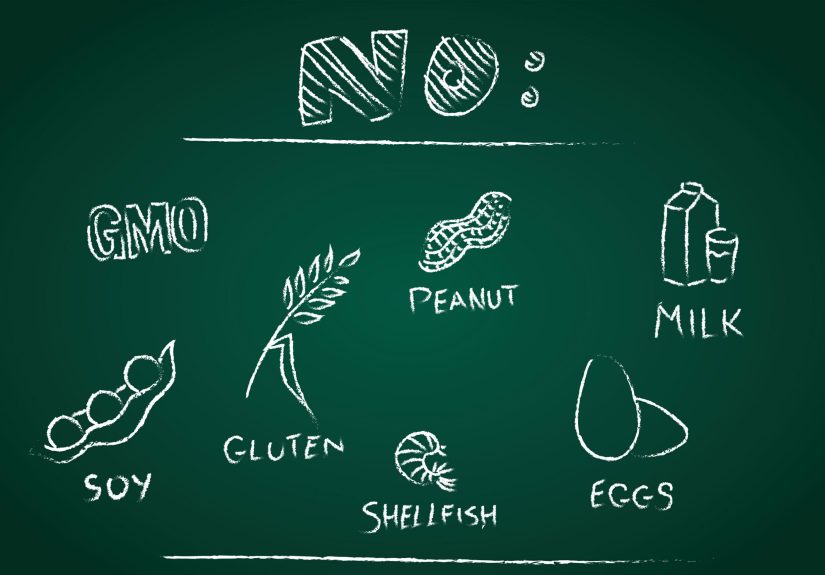
In the United States, the major food allergens commonly known as the “Big 9” are milk, eggs, fish, crustacean shellfish, tree nuts, peanuts, wheat, soybeans, and sesame. Sesame became the ninth major food allergen under federal law, which means it must be declared on labels for FDA-regulated packaged foods when present as an ingredient.
This labeling progress matters. Clear labels help people avoid accidental exposure and make safer decisions quickly. Nobody should need a magnifying glass, a chemistry degree, and emotional support coffee just to buy crackers.
The Rise in Awareness Is Not “Overreacting”
Some people claim food allergies are suddenly everywhere because society has become too sensitive. That argument misses the point. Better diagnosis, broader awareness, changing guidance, and improved reporting all contribute to the conversation. At the same time, food allergies are real, measurable, and serious enough that schools, healthcare providers, regulators, and food companies have had to respond.
CDC guidance describes food allergies as a growing food safety and public health concern, particularly in schools. National health data show that diagnosed food allergies affect both children and adults. Research has also shown that adult food allergies may be more common than previously recognized. This means food allergy planning cannot be limited to elementary school cafeterias. It belongs in restaurants, workplaces, college campuses, event planning, food manufacturing, and emergency response systems.
What Makes Food Allergies So Dangerous?
The scary part of food allergies is unpredictability. One reaction may be mild, while another reaction to the same food may be much more severe. Several factors can influence reaction severity, including the amount consumed, asthma, exercise, illness, alcohol in adults, certain medications, and how quickly treatment is given.
Anaphylaxis is the emergency everyone wants to prevent. It can involve multiple body systems and may progress quickly. Common warning signs can include trouble breathing, throat tightness, swelling, widespread hives, vomiting, dizziness, faintness, or a sense that something is seriously wrong. Epinephrine is the first-line treatment for anaphylaxis. Antihistamines may help some mild symptoms, but they do not replace epinephrine in a severe reaction.
This is why “just take a Benadryl” is not a food allergy safety plan. It is a sentence that should be retired, framed, and placed in a museum of Bad Medical Advice.
Food Allergy Myths That Need to Retire
Myth 1: “A Little Bit Won’t Hurt”
For some people, a small exposure can cause a serious reaction. The amount that triggers symptoms varies from person to person, and cross-contact can be enough to create risk. Cross-contact happens when an allergen is unintentionally transferred from one food or surface to another, such as using the same knife, cutting board, fryer, scoop, or serving spoon.
Myth 2: “They’re Just Being Picky”
Picky eating is disliking a texture. Food allergy is an immune response. One is “I do not enjoy mushrooms.” The other is “My immune system may call in the emergency squad.” These are not cousins. They are not even in the same group chat.
Myth 3: “You Can Always See the Allergen”
Many allergens are hidden inside sauces, spice mixes, marinades, desserts, breading, soups, candies, and processed foods. Sesame may appear in tahini, buns, crackers, dressings, and spice blends. Milk can hide in baked goods or processed meats. Soy may appear in sauces and seasonings. The danger is often not the obvious peanut butter cookie. It is the mystery sauce smiling quietly from the side of the plate.
Myth 4: “Adults Don’t Develop Food Allergies”
Adults can develop food allergies, even to foods they previously ate without trouble. Adult-onset allergies can be confusing and frustrating because the person may have years of safe experience with a food before symptoms appear. That is another reason food allergy education should not stop at childhood.
Schools Are on the Front Line
Schools play a major role in food allergy safety because children spend so much of their day there. A strong school food allergy plan includes prevention, staff training, emergency action plans, access to epinephrine, communication with families, and age-appropriate student education.
The goal is not to wrap every child in bubble wrap or ban joy from the cafeteria. The goal is to make sure students can learn, eat, and participate safely. That means teachers know what symptoms look like. Cafeteria staff understand cross-contact. Coaches and bus drivers know where emergency medication is kept. Substitute teachers are not left guessing. Birthday treats do not become a logistical thunderstorm.
Good food allergy policies protect students without isolating them. Children with allergies should not be made to feel like walking warning labels. They are kids. They want pizza days, field trips, science fairs, and cupcakes that do not come with a side of panic.
Restaurants and Food Businesses Have a Responsibility
Restaurants are another critical part of the food allergy conversation. Dining out should not require customers to interrogate a menu like it owes them money, but people with allergies often have to ask detailed questions: What oil is used? Is the fryer shared? Does the sauce contain nuts? Is the bread made with sesame? Are ingredients prepared on the same surface?
Food businesses can reduce risk by training staff, keeping ingredient information updated, labeling allergens clearly, preventing cross-contact, and taking customer questions seriously. A server who says, “I’m not sure, let me check with the kitchen,” is doing the right thing. A server who says, “It should be fine,” while spiritually guessing is not.
For packaged foods, accurate labeling is essential. Undeclared allergens are a major reason for recalls and public health alerts. When an allergen is missing from the label, a product that looks safe may be dangerous for someone who relies on that information. That is why allergen control is not a tiny compliance detail. It is a safety system.
Prevention: What Has Changed?
Food allergy prevention guidance has changed significantly over the past two decades. Older advice often encouraged delaying allergenic foods for infants. Today, guidance around peanut allergy prevention has shifted because research showed that early introduction of peanut-containing foods, especially for infants at higher risk, can reduce the chance of developing peanut allergy.
This does not mean parents should hand whole peanuts to babies. Whole nuts are choking hazards. It also does not mean every infant has the same risk profile. Parents of infants with severe eczema, existing food allergy, or other concerns should talk with a pediatrician or allergist about safe introduction. The bigger lesson is that food allergy prevention is now more evidence-based and less driven by old fear-based advice.
Living With Food Allergies Requires Planning, Not Panic
Food allergy management is a daily routine. People read labels, ask questions, carry medication, teach caregivers, check restaurant practices, and plan ahead. Families may keep safe snacks in backpacks, cars, classrooms, and suitcases. Teenagers learn how to speak up on dates, at parties, and during team meals. Adults learn which restaurants take allergy requests seriously and which ones treat “allergy” like a decorative menu word.
Planning helps reduce risk, but it can also be exhausting. Food allergies create a mental load: reading every label, every time; explaining the allergy again; worrying about social judgment; and staying alert in situations where food appears unexpectedly. That emotional burden is part of the public health story too.
How Communities Can Take Food Allergies Seriously
Taking food allergies seriously does not require everyone to become an allergist. It requires respect, preparation, and common sense. If someone says they have a food allergy, believe them. Do not test them. Do not joke about sneaking an ingredient into food. Do not pressure them to “just try a bite.” That is not hospitality. That is reckless behavior wearing a party hat.
Families can help by asking about allergies before gatherings. Schools can train staff and communicate clearly. Restaurants can create honest allergen procedures. Employers can consider allergies when ordering shared meals. Friends can choose inclusive snacks or let the allergic person bring their own food without making it weird.
Most importantly, people can stop treating allergy precautions as an inconvenience. For someone with a serious allergy, those precautions are what allow them to participate in ordinary life.
Food Allergies and Mental Health: The Part People Miss
Food allergies can affect confidence, social life, and emotional well-being. Children may feel embarrassed when they sit at a separate table or cannot eat the same treat as classmates. Teens may avoid social events because they do not want to explain their allergy again. Adults may feel anxious about business dinners, travel, or dating.
The problem is not only the allergy itself. It is the social reaction. When people minimize the risk, roll their eyes, or make jokes, they increase stress. When they listen and make reasonable accommodations, they help reduce fear and isolation.
A culture of food allergy awareness does not have to be gloomy. It can be practical and kind. The best version sounds like this: “Thanks for telling me. What should I avoid? Where is your epinephrine? Let’s make sure you can eat safely.” Beautiful. Efficient. No unnecessary drama. Five stars.
Real-World Experiences: Why Food Allergies Are Not a Punchline
Ask a family managing food allergies what “being careful” means, and you will not hear one simple answer. You will hear a lifestyle. It starts in the grocery aisle, where shopping is less “grab the usual” and more “read the label like it is a tiny legal contract written by a nervous wizard.” A parent may buy the same granola bar for months, then suddenly notice the package has a new “may contain” statement. Into the cart? Not so fast. Now comes the research: new facility, new recipe, new risk, new headache.
At school, the experience can be equally complicated. A child with a peanut or milk allergy may know exactly what not to eat, but that does not control what happens around them. Another student may have peanut butter on their hands after lunch. A classroom project may use empty egg cartons. A holiday party may include cookies baked in a kitchen where nuts were everywhere. None of these moments are meant to be dangerous, but good intentions do not neutralize allergens.
For teenagers, food allergies can feel especially awkward. Imagine trying to look relaxed at a pizza party while quietly wondering whether the crust contains sesame, whether the sauce has hidden cheese, or whether the serving utensils have touched something unsafe. Teenagers want independence, not a parent hovering nearby with an epinephrine auto-injector and the facial expression of a federal safety inspector. Still, learning to self-advocate is essential. A confident “I have a serious allergycan you check the ingredients?” is a life skill, not a personality flaw.
Adults have their own stories. A business lunch may become uncomfortable when a client says, “I’m sure it’s fine,” about a dish nobody has checked. A traveler may pack safe food because airport options are unpredictable. A wedding guest may contact the caterer weeks ahead and still bring a backup snack, because trust is good but backup snacks are better. People with food allergies often learn to balance politeness with firmness. They do not want special attention. They want accurate information and a safe plate.
Restaurant experiences can range from wonderful to terrifying. The best restaurants treat allergy questions with professionalism. Staff communicate with the kitchen, explain what can be prepared safely, and admit when something is not safe. The worst experiences involve guessing, dismissive comments, or false confidence. “We think it does not have nuts” is not the same as “We checked the ingredient list and preparation process.” For a person with a serious allergy, that difference is the size of a canyon.
Social gatherings can also reveal who truly understands. A thoughtful host might save ingredient labels, prepare allergy-safe food first, use clean utensils, and avoid making the allergic guest feel like a burden. A careless host might say, “Can’t you just eat around it?” That phrase should be sealed in a jar and launched into space. Eating around an allergen does not fix cross-contact. It only adds suspense.
The emotional experience matters too. Food is social. It is birthdays, holidays, school lunches, team dinners, first dates, family traditions, and comfort after a long day. When food becomes risky, people can feel left out. That is why inclusion matters. Offering a safe option, checking labels, or simply listening can turn a stressful moment into a normal one.
The lesson from these everyday experiences is clear: food allergy safety is built through thousands of small choices. Read the label. Wash the knife. Check the sauce. Take the question seriously. Carry epinephrine if prescribed. Do not joke about exposure. Do not treat caution like drama. A little respect can make the table bigger, safer, and much more welcoming.
Conclusion: Food Allergy Awareness Is Common Sense With Better Manners
Food allergies are a growing public health concern because they affect health, safety, education, food systems, family life, and social inclusion. They are not jokes, trends, or excuses for picky eating. They are medical conditions that require accurate information, emergency preparedness, and basic human decency.
The good news is that progress is happening. Labeling laws have improved. Schools have better guidance. Prevention advice is more evidence-based. Restaurants and food companies are under greater pressure to handle allergens responsibly. Public awareness is stronger than it used to be, even if the occasional peanut-gallery comment still needs correction.
Taking food allergies seriously does not mean living in fear. It means building habits that protect people: clear labels, trained staff, safe food handling, quick access to epinephrine, and respectful communication. In other words, it means making room at the table for everyoneand making sure the table is not secretly dusted with walnuts.
Note: This article is for general educational purposes and is not a substitute for medical advice. Anyone with suspected or diagnosed food allergies should work with a qualified healthcare professional for diagnosis, treatment, and emergency planning.