Table of Contents >> Show >> Hide
- Step 1: Understand What Anesthesiologists Actually Do
- Step 2: Build a Strong Academic Base Early
- Step 3: Earn a Bachelor’s Degree and Complete Pre-Med Requirements
- Step 4: Choose a Major You Can Excel In
- Step 5: Get Clinical Experience and Shadow Physicians
- Step 6: Build Research, Service, and Leadership Experience
- Step 7: Prepare for and Take the MCAT
- Step 8: Apply Strategically to Medical School
- Step 9: Survive and Thrive in Medical School
- Step 10: Do Well on Clinical Rotations and Explore Anesthesia Early
- Step 11: Pass Your Licensing Exams
- Step 12: Apply to Anesthesiology Residency Through ERAS and the Match
- Step 13: Complete a Four-Year Anesthesiology Residency
- Step 14: Get Licensed, Become Board-Certified, and Keep Learning
- How Long Does It Take to Become an Anesthesiologist?
- Is It Worth It?
- What the Journey Really Feels Like: on the Experience
- Final Thoughts
- SEO Tags
If you have ever looked at an operating room and thought, “You know what seems fun? Keeping people safe, pain-free, and alive while everyone else is busy with scalpels,” then anesthesiology might be your lane. It is one of the most demanding and rewarding careers in medicine. You need brains, calm nerves, people skills, stamina, and the ability to function before sunrise without turning into a gremlin.
In the United States, becoming an anesthesiologist is a long game. This is not a “watch three motivational videos and manifest success” kind of profession. It usually takes 12 to 14 years of education and training after high school, and every stage matters. The good news is that the path is very clear once you understand it. The better news is that if you enjoy science, medicine, problem-solving, and high-stakes teamwork, the journey can be incredibly satisfying.
This guide breaks the process into 14 practical steps, from college planning to board certification, with real-world advice on what matters most at each stage.
Step 1: Understand What Anesthesiologists Actually Do
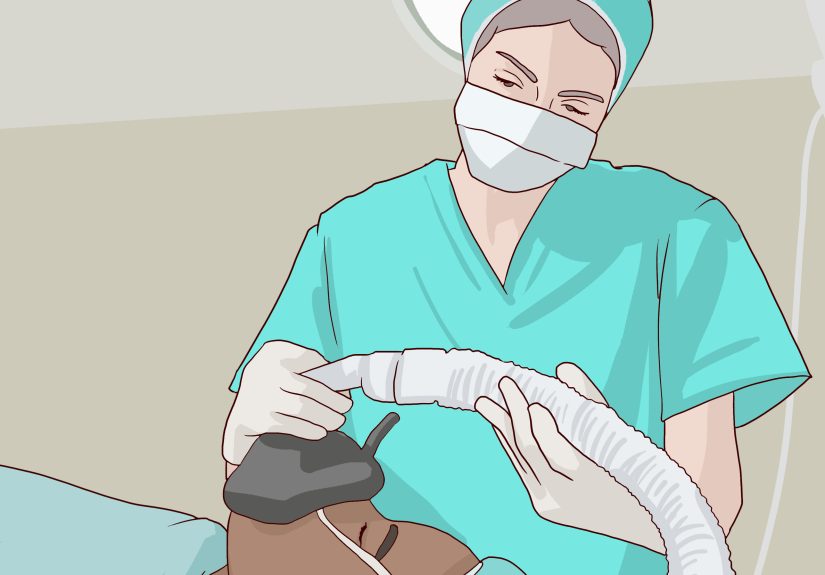
Before you commit to this career, make sure you are not imagining a doctor who simply “puts people to sleep.” Anesthesiologists are physicians who evaluate patients before procedures, create anesthesia plans, manage pain, monitor vital functions during surgery, handle emergencies, and care for patients before, during, and after procedures. They also work in critical care, pain medicine, labor and delivery, trauma, cardiac surgery, pediatrics, and more.
Translation: this is not a background job. It is medicine at full volume, just with fewer selfies and more airway management.
Step 2: Build a Strong Academic Base Early
You do not need to be born holding a chemistry textbook, but you do need a strong foundation in science and math. In high school and early college, focus on biology, chemistry, physics, algebra, statistics, and writing. Yes, writing matters. Physicians explain complex ideas to patients, document care, and communicate with entire teams. If your science is strong but your communication is weak, that is a problem wearing a white coat.
Good habits formed early help later: disciplined study routines, time management, and the ability to handle difficult material without dramatic emotional collapse in the library.
Step 3: Earn a Bachelor’s Degree and Complete Pre-Med Requirements
You will need a bachelor’s degree before medical school. Your major can vary, but your coursework has to cover the common medical school prerequisites. Many U.S. medical schools expect substantial work in biology, chemistry, and related sciences, and they also value writing, critical thinking, and evidence of academic rigor.
Popular majors include biology, chemistry, biochemistry, neuroscience, and psychology, but you do not have to major in one of those fields. English major? Fine. Music major? Also fine. Basket weaving with a side of organic chemistry? Unusual, but technically possible. What matters most is completing the required coursework and earning strong grades.
Step 4: Choose a Major You Can Excel In
This step deserves its own section because too many students choose the “most medical-sounding” major instead of the one that best fits their strengths. Medical schools care about academic performance, intellectual maturity, and readiness for medicine. They do not hand out bonus points because your degree title sounds intense.
If you thrive in physiology, go for it. If you love public health, philosophy, or biomedical engineering, that can work too. The best major is the one that lets you perform well, stay curious, and still leave room for clinical experiences, volunteering, leadership, and a life outside the lab.
Step 5: Get Clinical Experience and Shadow Physicians
Medical schools want evidence that you understand what healthcare is really like. That means you should spend time in patient-centered settings. Volunteer at a hospital, work as a medical scribe, become an EMT, help in a clinic, or shadow physicians. If possible, shadow an anesthesiologist specifically.
This is where your “I think medicine sounds cool” phase becomes “I have seen the pace, responsibility, and pressure, and I still want in.” That distinction matters. Admissions committees want applicants who are informed, not just ambitious.
Shadowing an anesthesiologist can be especially eye-opening because the specialty blends physiology, pharmacology, procedures, crisis response, and teamwork in a way few fields do. One moment you are discussing a patient’s heart disease and airway risk; the next, you are adjusting medications with the precision of a pilot landing in bad weather.
Step 6: Build Research, Service, and Leadership Experience
Medical school admissions in the U.S. are holistic. That means grades and test scores matter, but so do your experiences, attributes, and the story your application tells. Research can help, especially if you are interested in academic medicine. Service matters because medicine is a profession built around patient care and community trust. Leadership matters because physicians make decisions, coordinate teams, and take responsibility.
You do not need to do everything. You do need to do something meaningful and sustained. It is better to show real commitment to a few activities than to collect résumé confetti.
Step 7: Prepare for and Take the MCAT
The Medical College Admission Test is one of the big gates on the road to medical school. It tests biological and biochemical foundations, chemical and physical foundations, psychological and social concepts, critical analysis, and reasoning skills. In plain English, it asks whether you can think like a future physician under pressure.
Give yourself time to prepare. A rushed MCAT plan is like trying to intubate a patient after watching one tutorial and drinking half an energy drink. Not ideal. Most students study for several months, using official practice materials and a realistic schedule. Take it when your coursework has prepared you well and when you can devote serious attention to it.
Step 8: Apply Strategically to Medical School
Once your academics, experiences, and MCAT are ready, you will apply to medical school through the standard application process. A strong application includes your transcript, test scores, personal statement, activity descriptions, letters of recommendation, and secondary essays. Schools look at who you are, what you have done, and how you may fit their mission.
This is where strategy matters. Apply to a balanced list of schools. Write like a human being, not a malfunctioning motivational poster. Be specific about why medicine fits you and what you have learned from real experiences. If your application sounds as if it was generated by a machine trained only on clichés, admissions committees will notice.
Step 9: Survive and Thrive in Medical School
Medical school usually lasts four years. The first part is heavily focused on foundational sciences such as anatomy, physiology, pathology, pharmacology, and systems-based medicine. Later, you move into clinical rotations, where you work with patients under supervision in fields like surgery, internal medicine, pediatrics, obstetrics and gynecology, psychiatry, and more.
If you are interested in anesthesiology, this is the time to shine in physiology, pharmacology, and acute care settings. Join the anesthesia interest group, look for mentors, attend specialty events, and seek elective experiences that expose you to the operating room, ICU, and perioperative medicine.
Medical school is demanding, but it also reveals whether you enjoy fast decisions, procedure-heavy care, and the mix of calm and chaos that anesthesiology requires.
Step 10: Do Well on Clinical Rotations and Explore Anesthesia Early
Your third- and fourth-year rotations matter a lot. Residency programs want evidence that you are clinically solid, teachable, dependable, and pleasant to work with at 5:30 in the morning. That last one is not listed in a textbook, but it is very real.
During anesthesia electives, pay attention to airway management, monitoring, pharmacology, hemodynamics, and pre-op evaluation. Ask thoughtful questions. Show up prepared. Learn how anesthesiologists think, not just what they do with their hands. Strong performance can also lead to letters of recommendation from anesthesiology faculty, which can carry serious weight when you apply to residency.
Step 11: Pass Your Licensing Exams
Medical students pursuing an MD degree typically complete the USMLE sequence, while DO students take COMLEX-USA and may also take USMLE depending on their goals. These exams are not just academic hurdles. They are part of the pathway to physician licensure in the United States.
Strong scores can help with residency applications, especially in competitive environments. More importantly, the exams confirm that you can apply medical knowledge in ways that support safe patient care. That matters a lot in anesthesiology, where tiny decisions can have very big consequences.
Step 12: Apply to Anesthesiology Residency Through ERAS and the Match
Anesthesiology residency applications usually go through ERAS, and positions are filled through the residency Match. Programs may offer categorical positions, which include the internship year, or advanced positions, which begin after a separate preliminary or transitional year. In other words, you may apply to one linked pathway or to a PGY-1 year and an advanced anesthesia slot separately.
Your residency application will usually include your transcript, exam scores, personal statement, letters of recommendation, and performance evaluations. Programs look for solid academics, strong clinical judgment, professionalism, communication skills, and a believable reason for choosing anesthesia.
Interview season is your chance to show you are more than a spreadsheet with a pulse. Be prepared to explain why anesthesiology fits your strengths and how you handle pressure, teamwork, and constant learning.
Step 13: Complete a Four-Year Anesthesiology Residency
This is where the job becomes real. Standard anesthesiology training after medical school is four years total, often consisting of a clinical base year followed by three years of focused clinical anesthesiology training. Residency includes not only operating room cases but also critical care, pain medicine, pre-op evaluation, recovery care, simulation, and emergency management.
You will learn airway skills, vascular access, regional anesthesia, perioperative medicine, hemodynamic management, and crisis response. You will also learn humility, because medicine has a way of reminding everyone that confidence and competence are not the same thing.
By the end of residency, you should be able to care for a wide range of patients, from routine outpatient cases to medically complex surgical patients. Some physicians stop there and enter practice. Others continue into fellowship training in areas such as pain medicine, critical care, pediatric anesthesiology, cardiac anesthesiology, obstetric anesthesia, or regional anesthesia. Fellowships are often one additional year.
Step 14: Get Licensed, Become Board-Certified, and Keep Learning
Finishing residency is not the end of the road. To practice independently, you must obtain a state medical license. State boards require documentation of your education, postgraduate training, and licensing exam completion. Then comes board certification, which is not always legally required but is highly valued and often expected by employers and hospitals.
For anesthesiologists, board certification typically involves a sequence of exams through the American Board of Anesthesiology. After that, continuing certification and continuing medical education help you stay current. This field changes constantly, from monitoring technology to patient safety practices to pain management strategies. The best anesthesiologists never stop learning.
How Long Does It Take to Become an Anesthesiologist?
For most students in the U.S., the timeline looks like this:
- 4 years for a bachelor’s degree
- 4 years of medical school
- 4 years of anesthesiology training after medical school
- Optional 1 additional year for fellowship, sometimes more depending on the subspecialty path
That means most future anesthesiologists spend about 12 years after high school in training before independent practice, or longer if they subspecialize.
Is It Worth It?
If you want an easy path, absolutely not. Choose something that does not involve call nights, licensing exams, and memorizing pharmacology so deeply that receptor pathways invade your dreams.
But if you want a career that combines physiology, procedures, acute care, technology, teamwork, and meaningful patient impact, anesthesiology is a fantastic specialty. It is intellectually rich, clinically important, and financially strong. The job market for physicians remains steady overall, and anesthesiology continues to be essential across hospitals, surgery centers, labor and delivery units, ICUs, and pain clinics.
What the Journey Really Feels Like: on the Experience
The experience of becoming an anesthesiologist is not just a checklist of degrees, exams, and credentials. It is a gradual shift in identity. Early on, most students are focused on winning the academic game: good grades, strong science courses, volunteer hours, research, and a respectable MCAT score. At that stage, the experience can feel highly external. You are trying to prove you belong in medicine.
Once you start getting clinical exposure, that changes. Seeing real patients makes the path more personal and more serious. Many students describe their first shadowing days in an operating room as both exciting and humbling. You realize quickly that anesthesiology is not about dramatic movie-style countdowns. It is about anticipation, preparation, detail, and constant vigilance. A calm anesthesiologist can completely change the tone of a room. That tends to leave an impression.
Medical school adds another layer. The preclinical years can feel like drinking from a fire hose while someone quizzes you on the fire hose. But students who end up in anesthesiology often notice they are drawn to subjects like physiology, pharmacology, respiratory function, cardiovascular dynamics, and critical care decision-making. It is the kind of specialty that rewards people who enjoy understanding how the whole body responds under stress.
Then come the clinical years, and the experience becomes more visceral. In an anesthesia elective, you may watch a patient come into the operating room anxious and vulnerable, then see the anesthesiology team reassure them, assess risks, induce anesthesia, manage the case minute by minute, and guide them safely into recovery. That sequence teaches a powerful lesson: the specialty is technical, but it is also deeply human. Patients may not remember the anesthesiologist’s name afterward, but they absolutely benefit from the skill.
Residency is where the experience becomes transformative. New residents often feel the weight of responsibility immediately. You are no longer just observing. You are making decisions, performing procedures, responding to change, and learning how to stay composed when blood pressure drops, an airway becomes difficult, or a complex patient arrives with very little margin for error. Residents often say that the specialty teaches confidence slowly and honesty quickly. You learn your limits, then expand them through repetition, coaching, simulation, and experience.
There is also a unique emotional experience in anesthesiology: you must be both intensely focused and quietly reassuring. Patients meet you at vulnerable moments. You may only have a few minutes to earn trust, explain a plan, and reduce fear. That kind of communication matters as much as technical skill.
By the time physicians finish training, many describe feeling not just accomplished but changed. They think differently, prioritize differently, and notice risk differently. The journey is long, but it turns motivated students into physicians who can make high-stakes decisions with precision, empathy, and calm. That is the real experience behind the title.
Final Thoughts
Becoming an anesthesiologist is one of the longest and most demanding professional paths in healthcare, but it is also one of the most rewarding. You will spend years mastering science, medicine, procedures, communication, and judgment. You will face hard classes, tough exams, long training, and moments when coffee feels less like a beverage and more like a constitutional right.
Still, for the right student, this path is worth every step. If you love medicine, thrive under pressure, and want a career that blends precision with patient safety, anesthesiology offers a remarkable future. Start early, stay disciplined, seek good mentors, and keep moving one stage at a time. That is how the dream becomes a profession.