Table of Contents >> Show >> Hide
- Why a Minecraft Throne Works So Well
- Materials You Will Need
- How to Build a Throne in Minecraft: Step by Step
- Best Block Palettes for a Minecraft Throne
- How to Make the Throne Room Look Better
- Common Mistakes to Avoid
- Survival Mode Tips for Building a Throne
- Creative Variations You Can Try
- Final Thoughts
- Builder's Experience: What I Learned from Making Thrones in Minecraft
If your castle in Minecraft has stone walls, heroic towers, and exactly zero places for the ruler to dramatically sit and judge the kingdom, it is time to fix that. A throne is one of those small builds that instantly makes a base feel more impressive. It adds a focal point, gives your throne room real purpose, and tells every visitor, “Yes, this is my kingdom, and yes, I probably overdid the gold on purpose.”
The good news is that building a throne in Minecraft is not complicated. You do not need redstone genius, modded furniture packs, or the architectural confidence of a medieval interior designer. What you do need is a smart mix of stairs, slabs, banners, lighting, and a little block layering. In this guide, you will learn how to build a throne in Minecraft step by step, choose the right materials, decorate the area around it, and avoid the common mistakes that make a royal seat look more like a bus stop bench.
Why a Minecraft Throne Works So Well
A good Minecraft throne does three jobs at once. First, it creates a clear centerpiece. Second, it helps your castle interior feel intentional instead of like a giant stone box with a few random chests shoved in the corners. Third, it gives you a chance to show off your style. You can go classic with gold and red, dark and menacing with blackstone, icy and elegant with quartz and blue accents, or wildly dramatic with nether blocks that suggest your ruler has made some questionable life choices.
Because Minecraft furniture is mostly decorative, the magic comes from illusion. Stairs can suggest a seat, slabs can create levels, trapdoors can add trim, banners can form a regal backdrop, and armor stands can turn an empty platform into a full royal display. In other words, the throne is less about one block and more about how blocks work together.
Materials You Will Need
You can build a basic throne with very few materials, but a great throne uses contrast. Here is a simple starter list for a classic royal design:
- 6 to 10 stair blocks for the seat, back, and armrest shape
- 6 to 12 slabs for the platform and trim
- 20 to 40 full blocks for the raised dais and wall behind the throne
- 2 to 6 trapdoors for side detailing
- 2 banners for a regal backdrop
- 2 lanterns, torches, or other light sources
- Carpet in red, purple, or another royal-looking color
- Optional armor stands, chains, walls, fences, or polished blocks for extra detail
For a traditional throne room, many players use stone bricks, polished andesite, spruce, dark oak, red carpet, and gold accents. If you want a more dramatic look, try blackstone with crimson details. If you prefer a bright fantasy palace, quartz, smooth sandstone, and blue banners can look fantastic.
How to Build a Throne in Minecraft: Step by Step
1. Pick the Right Spot
Before placing a single stair, decide where the throne should command the room. Put it on the far wall opposite the entrance if you want that classic “walk toward the ruler” effect. Give yourself enough room on both sides so the throne does not look squished. Even in a compact castle, a throne should feel important, not like it lost a fight with the storage system.
A great starter footprint is a throne platform that is 5 blocks wide and 3 blocks deep. That gives you enough space for a central seat and small decorative elements on the sides.
2. Build a Raised Dais
Most thrones look underwhelming when they sit flat on the floor. Elevation is what sells the idea. Build a platform that is at least one block higher than the rest of the room. Two blocks high looks even more dramatic in a larger hall.
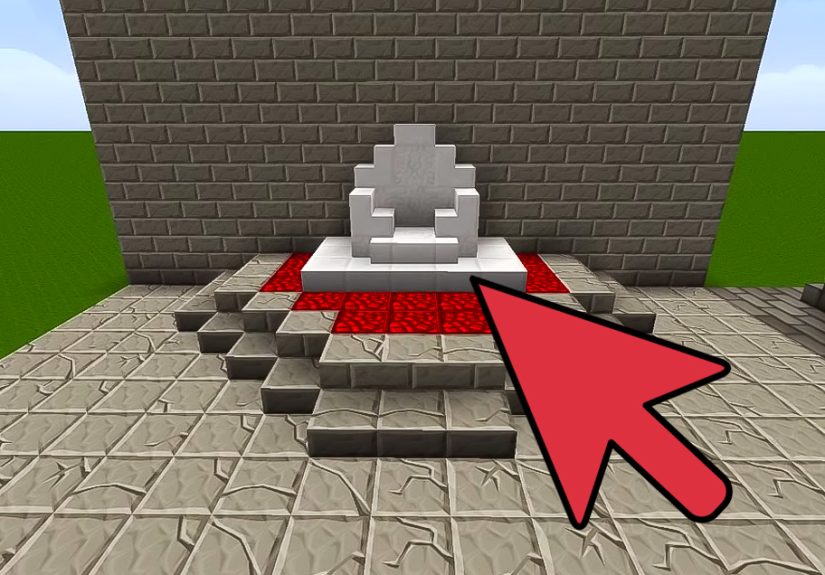
For a simple design, make a 5-by-3 platform from stone bricks, polished blackstone, quartz, or another main material. Add stairs or slabs at the front so it feels like a proper stage instead of a chunky rectangle. Then place carpet on top of the platform or run a carpet path up to it from the entrance for that full royal treatment.
3. Make the Seat
This is the heart of the build. Place one stair block in the center of the platform so it faces outward into the room. That gives you the seat shape immediately. Then place another stair upside down behind it, or stack full blocks and use stairs around them, to create a deeper, more luxurious look.
If you want a broader throne, place slabs or full blocks on either side of the center stair. This makes the chair feel more substantial and less like the ruler forgot to finish the furniture order.
4. Create a Tall Backrest
A throne should not have the posture of a kitchen chair. Build upward behind the seat using full blocks, upside-down stairs, walls, or slabs. Aim for at least three blocks tall from the platform. Five blocks tall can look amazing in a grand throne room.
An easy method is to place a central column of blocks behind the seat, then frame it with stairs or walls on each side. Add one slab or stair near the top to create a crowned silhouette. This instantly makes the throne read as important, not ordinary.
5. Add Armrests
Armrests are what separate a throne from “chair with ambition.” Use stairs, trapdoors, walls, or slabs on each side of the seat. Dark oak trapdoors work beautifully as wooden side panels. Stone walls can make the design look heavier and more fortress-like. If you want something richer, use gilded blackstone, gold blocks in tiny accents, or polished stone variations rather than huge solid gold chunks. Too much gold can push the build from “royal” to “treasure room exploded.”
6. Crown the Throne
The top portion is where you give the throne personality. Add a decorative block at the highest point, such as a gold block, chiseled stone brick, polished blackstone brick, or even a banner-supported shape behind the chair. You can also frame the top with stairs facing inward to create an arched look.
If you are building for a king, queen, warlord, wizard, or end-game chaos monarch, the upper trim is where you can show that theme. A nether ruler might have crimson accents. A jungle queen might use mossy stone and vines nearby. An icy empress would absolutely approve of blue banners and white blocks.
7. Decorate the Backdrop
Never leave the wall behind the throne plain. That wall is prime real estate for visual drama. Hang banners in your chosen colors. Use a patterned wall with pillars, arches, or inset blocks. Frame the throne with polished columns or vertical strips of contrasting material.
A simple but effective setup is this: two banners directly behind the throne, a column on each side, and lighting above or beside the banners. Suddenly the whole room starts looking like a place where major decisions happen, or at least where someone gives very serious speeches about wheat taxes.
8. Light the Area Properly
Lighting can make a throne look majestic or accidentally haunted. Use lanterns, hidden light blocks, or carefully placed torches so the throne is bright without feeling cluttered. Chains and lanterns work especially well in castles because they add vertical detail and match medieval builds nicely.
If you want a polished look, hide some lighting under slabs, behind trapdoors, or beneath carpeted edges where possible. That keeps the room bright while letting the throne stay the visual star.
Best Block Palettes for a Minecraft Throne
Classic Royal Throne
Use stone bricks, dark oak, red carpet, and small gold accents. This is the safest and most versatile style. It looks great in medieval castles, survival bases, and fantasy keeps.
Dark King Throne
Use polished blackstone, blackstone brick stairs, crimson trapdoors, and deep red banners. This palette is perfect for nether-inspired rulers, villain castles, or players who enjoy builds that look like they charge admission for dramatic monologues.
Bright Palace Throne
Use quartz, smooth sandstone, white carpet, blue or purple banners, and sea lanterns or subtle lighting. This style works beautifully in desert palaces or cleaner fantasy kingdoms.
Survival-Friendly Throne
If you are early in survival mode, do not worry about rare blocks. Cobblestone, spruce stairs, red wool, torches, and a couple of banners can still produce a convincing throne. Good shape beats expensive materials every time.
How to Make the Throne Room Look Better
A throne is only as impressive as the room around it. Once the seat is built, turn your attention to the surroundings.
- Add a carpet runner: A long carpet path leading from the entrance to the throne creates instant ceremony.
- Use symmetry: Matching columns, banners, and lights on both sides make the room feel formal and powerful.
- Place armor stands: Put guards beside the platform wearing iron, gold, or trimmed armor for extra prestige.
- Include side details: Thrones look better with nearby braziers, chandeliers, windows, or small staircases up to the dais.
- Build upward: Tall ceilings make the throne feel important. Even simple rafters or arches can help.
- Layer textures: Mix stone, wood, slabs, stairs, walls, and trapdoors so the room does not feel flat.
If your throne room still feels empty, build a council area, side balconies, statues, or a treasure display. A throne room should feel like the center of power, not a lonely chair in a gymnasium.
Common Mistakes to Avoid
Making the Throne Too Small
If the throne is the same scale as your average house chair, it will not read as royal. Increase the height of the backrest and widen the platform.
Using Only One Block Type
Monotone builds can look flat fast. Add contrast through trim, armrests, banners, or floor details.
Ignoring the Wall Behind It
The backdrop matters almost as much as the chair. A blank wall can make even a good throne feel unfinished.
Overusing Gold Blocks
A touch of gold says “kingdom.” A mountain of gold says “I mined with absolutely no restraint.” Use gold as an accent, not a wallpaper.
Forgetting Room Proportion
A massive throne in a tiny room can look silly. A tiny throne in a giant hall can disappear. Match the throne size to the scale of the room.
Survival Mode Tips for Building a Throne
In survival mode, the easiest way to build a throne is to focus on shape first and upgrade materials later. Start with whatever blocks you have in bulk, such as stone, cobblestone, oak, or spruce. Once the structure looks right, replace visible surfaces with better blocks one section at a time.
Another smart move is to keep the throne compact but give it strong surrounding details. Two banners, a carpet runner, and a raised platform can make a basic seat look expensive without requiring a resource grind worthy of a royal tax collector.
If you are building inside a working survival base, consider placing storage, enchanting rooms, or map walls behind side doors off the throne room. That way the space is not just decorative. It feels important and useful, which is a rare achievement in both Minecraft and monarchy.
Creative Variations You Can Try
- Double throne: Great for two-player kingdoms or a king-and-queen setup.
- End-themed throne: Use purpur, obsidian, end rods, and black accents.
- Jungle throne: Mix mossy stone, jungle wood, leaves, and banners for an ancient temple vibe.
- Frozen throne: Use quartz, packed ice, blue glass, and white carpet for a cold fantasy look.
- Hidden redstone throne room: Add a secret entrance behind the throne for extra drama.
Final Thoughts
If you want to build a throne on Minecraft that actually looks impressive, think in layers: platform, seat, backrest, backdrop, and surrounding decor. The throne itself can be surprisingly simple. What makes it feel royal is the scale, the contrast, and the way it anchors the room. In other words, the secret is not one magical block. It is giving the build enough presence that players notice it the second they walk in.
Start with a basic design using stairs and slabs, then add banners, carpet, lighting, and side details until the whole thing feels like a centerpiece. Whether your castle is noble, sinister, elegant, or gloriously over-the-top, a throne gives it identity. And honestly, every Minecraft ruler deserves one good chair. Preferably one that looks expensive and mildly intimidating.
Builder’s Experience: What I Learned from Making Thrones in Minecraft
The first time I built a throne in Minecraft, I made the classic beginner mistake: I placed one fancy-looking stair against a wall, added a torch on each side, stepped back, and told myself it looked “royal enough.” It did not. It looked like a chair that had recently been promoted beyond its qualifications. That tiny disaster taught me the most important lesson about throne design: a throne is never just the seat. It is the entire scene around it.
Once I started treating the throne as a centerpiece rather than a furniture item, everything improved. Raising it one block higher changed the build immediately. Adding a carpet runner made the room feel ceremonial. Putting banners behind it gave the eye somewhere to land. It was such a dramatic difference that I began rebuilding old castle interiors just to fix their sad little chairs of disappointment.
Another thing I learned is that material choice matters less than shape and contrast. One of my best survival thrones used ordinary stone bricks, spruce stairs, red wool, and a few lanterns. Nothing rare. Nothing flashy. But because the platform was centered, the backrest was tall, and the colors had a clear purpose, the throne looked deliberate. Meanwhile, I have also built thrones with quartz, blackstone, gilded accents, and expensive trim that somehow still felt awkward because the proportions were off. Minecraft is funny that way. You can own half the kingdom and still lose to bad geometry.
I also became mildly obsessed with the wall behind the throne. A blank wall kills the mood faster than a creeper in a coronation ceremony. Once I began adding arches, pillars, banners, windows, and lighting behind the chair, the build finally started to feel complete. That backdrop does a lot of heavy lifting. It frames the ruler’s seat, increases the sense of height, and makes screenshots look ten times better.
My favorite throne rooms are the ones that tell a story. A nether-themed throne feels like it belongs to a dangerous ruler who definitely has secret lava policies. A bright quartz throne feels ceremonial and noble. A mossy jungle throne suggests an ancient kingdom swallowed by time. Even a simple wooden throne in a snowy fortress can feel memorable if the room around it reflects the environment. So now, whenever I build a throne, I ask one question first: who rules from this seat? The answer usually decides the whole design.
In the end, building a throne in Minecraft is one of those small projects that teaches big building lessons. It teaches scale, symmetry, focal points, texture mixing, and how to turn simple blocks into something that feels meaningful. It is also just plain fun. Because sometimes, after mining for hours, fighting mobs, organizing chests, and pretending you totally meant to fall off that tower, you deserve to return home, walk into your castle, and sitwell, symbolicallybefore a throne that says you built something awesome.