Table of Contents >> Show >> Hide
- What Freezing a Wart Actually Means
- How Effective Is Freezing Warts?
- What to Expect Before the Appointment
- What the Procedure Feels Like
- What Happens After Freezing a Wart
- Side Effects and Risks
- When Freezing Is a Good Choice
- When Freezing May Not Be the Best Idea
- Freezing vs. Salicylic Acid: Which Is Better?
- When to See a Doctor Instead of Self-Treating
- Real-World Experiences With Freezing Warts
- The Bottom Line
Warts are one of those annoying skin problems that seem to arrive uninvited, overstay their welcome, and then act shocked when you want them gone. If you have ever stared at a bump on your hand or foot and wondered whether freezing it off is a smart move, you are not alone. Cryotherapy, often called “freezing,” is one of the most common treatments for warts in medical offices, and it has a reputation for being quick, effective, and just a little dramatic. After all, not every skin treatment comes with literal liquid nitrogen.
Still, freezing warts is not magic. It is not always one-and-done, and it is not necessarily the best choice for every wart, every body part, or every patient. The real story is more interesting. Wart freezing can work very well, especially when done professionally, but results depend on the type of wart, where it is located, how long it has been there, and how stubbornly your immune system and the wart-causing virus decide to battle it out.
This guide breaks down how wart freezing works, how effective it really is, what the appointment feels like, what recovery looks like, and when it makes sense to consider other options instead. Consider this your no-panic, no-nonsense, slightly less boring tour of cryotherapy.
What Freezing a Wart Actually Means
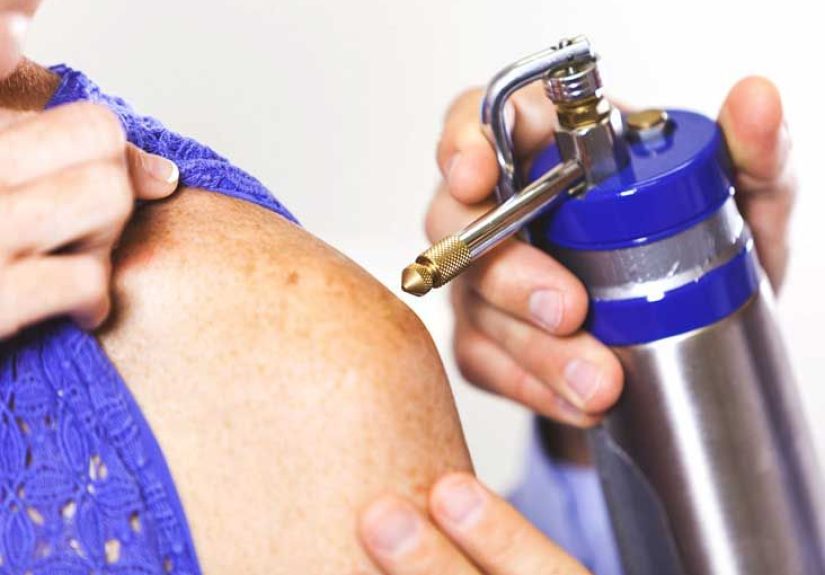
Freezing a wart usually refers to cryotherapy, a treatment that uses extreme cold to destroy abnormal skin tissue. In a medical office, that cold source is typically liquid nitrogen. The liquid nitrogen is applied directly to the wart with a spray device or a cotton-tipped applicator. The goal is to freeze the wart and a tiny margin of surrounding skin so the abnormal tissue dies and eventually falls away.
Why does that help? Warts are caused by strains of the human papillomavirus, or HPV, that infect the top layer of skin. Cryotherapy damages the infected tissue and may also trigger an immune response that helps the body recognize and fight the wart more effectively. In simpler terms, freezing gives the wart a rough day and may also rally your immune system to join the cleanup crew.
Professional cryotherapy is different from the over-the-counter freeze kits sold in drugstores. Home products can be useful for some people, but they are generally not as cold as liquid nitrogen used in a clinic. That means they may be less effective, especially for thicker or more stubborn warts.
How Effective Is Freezing Warts?
The honest answer is: often effective, but not guaranteed. That is not a very glamorous headline, but it is the truth. Freezing works best when expectations are realistic. Some warts respond beautifully after a few sessions. Others act like tiny, rude squatters and require repeat treatment or a different strategy.
What the evidence suggests
For many common and plantar warts, cryotherapy is considered a standard treatment option. Studies and clinical guidance have found that cryotherapy and salicylic acid are both reasonable first-line treatments. In many cases, overall clearance rates are similar, although cryotherapy often requires fewer individual applications because it is done in the office rather than every day at home.
That said, fewer applications does not always mean easier. Cryotherapy tends to hurt more in the short term. Salicylic acid is slower and requires patience, consistency, and the kind of dedication people usually reserve for gym memberships in January.
Many patients need more than one treatment. Three or four sessions is common for stubborn nongenital warts, and treatments are often spaced a few weeks apart. Plantar warts on the soles of the feet can be especially persistent because the skin is thicker and pressure pushes the wart inward. Periungual warts around the nails can also be difficult to treat and may need extra caution.
Why results vary
Cryotherapy success depends on several factors:
- Type of wart: Common, plantar, filiform, flat, and periungual warts do not all behave the same way.
- Location: Warts on thick skin, such as the bottom of the foot, are usually harder to clear.
- Size and age of the wart: Older, larger, and clustered warts may require more treatment.
- Your immune system: Some people clear warts quickly, while others develop recurrent or stubborn lesions.
- Treatment technique: Professional application tends to be stronger and more precise than at-home products.
Also important: not every wart has to be treated. Many harmless skin warts eventually go away on their own. Treatment is usually chosen because the wart is painful, spreading, cosmetically bothersome, or simply getting on your last nerve.
What to Expect Before the Appointment
Before freezing a wart, a clinician will usually confirm that the bump really is a wart. This matters because not every rough skin growth is a wart. Some lesions can mimic warts, including calluses, corns, molluscum contagiosum, and certain skin growths that deserve a closer look. If the diagnosis is uncertain, your provider may recommend a different evaluation plan.
You may also be asked about symptoms such as pain, bleeding, itching, rapid growth, or changes in color. Those details can influence whether freezing is appropriate.
In some cases, especially with plantar warts, the thick surface layer may be pared down before freezing. That helps the cold reach the infected tissue more effectively. Translation: if the wart has built itself a bulky winter coat, your provider may trim it first.
What the Procedure Feels Like
The actual freezing part is usually fast. A typical session may take less than a minute, though the total visit is longer because of prep, evaluation, and aftercare instructions.
During treatment
Most people feel:
- A sharp cold sensation
- Stinging or burning
- A feeling similar to an ice cube being held on the skin too long
- Throbbing as the area warms back up
Some providers use one freeze cycle. Others may use a freeze-thaw-freeze method, especially for thicker plantar warts. More aggressive treatment can sometimes improve clearance, but it also increases the chance of pain and blistering.
Children and people with low pain tolerance may find cryotherapy tough, especially in sensitive areas. Depending on the wart and the patient, a numbing option may be used, but many treatments are done without anesthesia.
What Happens After Freezing a Wart
If you walk out expecting your wart to vanish in a puff of frozen drama, reality may be a little less cinematic. What usually happens is a short healing process.
Normal after-effects
After treatment, the area may become:
- Red or swollen
- Sore or tender
- Blistered, sometimes with clear or blood-tinged fluid
- Crusted or scabbed over
That sounds alarming, but it is generally expected. The blister or scab usually dries up and falls away over several days. For some people, healing happens within about a week. Others need a bit longer, especially if the wart is thick or located on the foot.
Aftercare basics
Your provider may give specific instructions, but general aftercare often includes:
- Keeping the area clean and dry
- Using a bandage if the spot rubs against shoes or clothing
- Avoiding picking at the blister or scab
- Using pain relief if needed, according to label directions or medical advice
- Waiting until the area calms down before restarting any topical wart medication, if your clinician recommends combination therapy
If the blister breaks, gentle cleansing and basic wound care are usually enough. Severe redness, pus, worsening pain, fever, or delayed healing should prompt a call to a medical professional.
Side Effects and Risks
Cryotherapy is generally safe when performed by a trained professional, but it is not risk-free. Common side effects are usually mild and temporary. These include pain, blistering, swelling, and temporary skin discoloration.
One issue people do not always expect is pigment change. The treated skin can become lighter or darker than the surrounding area for a while. This matters especially for people with darker skin tones, because the contrast may be more noticeable.
Less common risks include scarring, nail changes when the wart is near a nail, and damage to nearby tissue if treatment is too aggressive. That is one reason professional evaluation matters for warts on the face, around the nails, or in delicate areas.
When Freezing Is a Good Choice
Freezing can be a strong option if:
- You want an in-office treatment instead of daily home therapy
- You have a common, plantar, filiform, or periungual wart
- The wart is painful, spreading, or cosmetically bothersome
- You have tried salicylic acid without success
- You want a treatment that may work faster in real-world practice than daily self-care
It can also make sense when a clinician wants to combine treatments, such as office freezing plus at-home salicylic acid between visits.
When Freezing May Not Be the Best Idea
Freezing is not always the right first move. A few examples:
- Very young children: The discomfort can be a dealbreaker.
- Warts on the face or genital area: These should be medically evaluated rather than self-treated.
- People with diabetes, neuropathy, or poor circulation: Even home wart treatments deserve extra caution because healing may be more complicated.
- Uncertain diagnosis: If the bump may not be a wart, freezing first and asking questions later is not a great strategy.
For genital warts, cryotherapy is one of several medical treatment options, but it should be guided by a clinician because location, size, symptoms, and patient preference all matter. This is definitely not a do-it-yourself freezer adventure.
Freezing vs. Salicylic Acid: Which Is Better?
This is the wart-treatment version of asking whether coffee or tea is better. The answer depends on your goals and your personality.
Choose freezing if you want:
- Professional treatment
- Fewer total applications
- A stronger option than most at-home freeze kits
- Help with thicker or stubborn warts
Choose salicylic acid if you want:
- A lower-cost option
- Home treatment
- A needle-free, office-free plan
- Less intense short-term pain
Salicylic acid often has the strongest evidence among home treatments, but it requires consistent use for weeks. Cryotherapy can feel faster because the treatment happens all at once in the office, yet it still may take repeat visits. In other words, one demands patience; the other demands bravery. Pick your character class accordingly.
When to See a Doctor Instead of Self-Treating
You should skip self-treatment and get medical advice if the wart is on your face, genitals, or another sensitive area, or if it hurts, bleeds, burns, changes quickly, or you are not sure it is a wart. Medical evaluation is also wise if you have many warts, a weakened immune system, diabetes, neuropathy, or poor circulation, or if home treatment has failed.
A wart that keeps returning, grows rapidly, or behaves unusually deserves a real diagnosis rather than a hopeful freeze-and-pray strategy.
Real-World Experiences With Freezing Warts
People’s experiences with wart freezing tend to follow a familiar pattern. At first, many assume it will be quick and easy because the procedure itself is short. Then the cold hits, the skin starts to sting, and they realize this is not exactly a relaxing wellness ritual. A very common description is, “It was not awful, but it definitely got my attention.” That is especially true for plantar warts on the foot, where the treated area can feel sore later when walking.
Another common experience is surprise at what happens afterward. Some people expect the wart to disappear immediately after the office visit. Instead, they go home with a white, irritated spot that turns into a blister or scab over the next day or two. For patients who were not warned, that can feel dramatic. For patients who were prepared, it is usually more of a “Well, that looks weird, but at least somebody told me it would.”
People also report that the second or third treatment often feels more mentally manageable than the first, even if the sting is similar. Why? Because uncertainty is half the battle. Once they know the freezing lasts only seconds and the soreness fades, the process feels less intimidating. The anticipation is often worse than the procedure itself.
For those treating plantar warts, one of the biggest real-life complaints is timing. If you have an active job, spend a lot of time on your feet, or are training for sports, having a sore blistered spot on the sole can be inconvenient. It is not usually catastrophic, but it can be annoying enough to make people schedule treatment around work, games, or weekends.
Patients with hand warts often care more about appearance and convenience. They may prefer cryotherapy because it feels more decisive than applying acid every day. On the other hand, some people who dislike discomfort try one freezing session and immediately decide they would rather become best friends with salicylic acid.
Parents of older children sometimes describe a mixed reaction: the child is nervous before the appointment, upset for a few seconds during treatment, then totally fine five minutes later and asking for a snack. In that sense, wart freezing has a lot in common with getting a shot, except nobody gets a sticker that says “I bravely fought a tiny skin invader.” A missed opportunity, really.
One more real-world theme is that people feel frustrated when they need repeat sessions. They may think the treatment failed after one visit, when in fact multiple treatments were expected from the start. Setting expectations helps a lot. Patients are generally happier when they understand that freezing is often a process, not a magic trick.
Perhaps the most useful lesson from real patient experiences is this: cryotherapy tends to go best when people know three things in advance. First, it will probably sting. Second, a blister or scab afterward is normal. Third, the wart may need more than one round. When those expectations are clear, the treatment feels less scary, more manageable, and a lot less likely to inspire a panicked late-night internet search about whether your wart has become sentient.
The Bottom Line
Freezing warts is a widely used, medically accepted treatment that can be very effective, especially when performed with liquid nitrogen in a clinical setting. It is quick, often works well for common and plantar warts, and can be a practical choice when daily home treatment sounds exhausting. But it is not perfect. Cryotherapy can hurt, may cause blistering or discoloration, and often requires multiple sessions.
If you are deciding between wart freezing and other treatments, the smartest question is not “What removes a wart the fastest in theory?” It is “What option fits the wart, the body part, my pain tolerance, and how likely I am to follow through?” For some people, that answer is cryotherapy. For others, it is salicylic acid, watchful waiting, or a dermatologist-guided combination plan.
Either way, the goal is the same: get rid of the wart without making your life harder than the wart already has. A fair and noble mission.