Table of Contents >> Show >> Hide
- What Lyme Disease Is (and Why “Natural Treatment” Gets Complicated)
- The Non-Negotiable Foundation: Medical Treatment First
- Types of “Natural” Lyme Disease Treatments (What People Mean, and What They Can Actually Do)
- 1) Symptom-Support Basics (Unsexy, Effective, and Underappreciated)
- 2) Nutrition Strategies (Helpful for Recovery, Not a Standalone Cure)
- 3) Probiotics (Mostly About Antibiotic Side Effects)
- 4) Mind-Body Approaches (Best Evidence for Coping and Quality of Life)
- 5) Acupuncture and Massage (Evidence for Pain, Not Lyme Eradication)
- 6) Herbal Supplements (Where Hype Usually Outruns Human Evidence)
- 7) “Detox” Protocols and Essential Oils (Proceed With Extreme Caution)
- Research Snapshot: What Science Suggests (and What It Doesn’t)
- Safety: How to Explore Natural Options Without Making Things Worse
- Prevention Counts as “Natural Treatment,” Too (Because No One Wants a Sequel)
- Conclusion: Natural Treatment That’s Actually Smart
- Experiences: What Real People Commonly Report (and What Clinicians Often See)
Let’s get one thing straight before we invite herbs, yoga mats, and smoothie blenders to the party: Lyme disease is a bacterial infection, and antibiotics are the only proven, infection-clearing treatment. “Natural treatments” can play a rolebut the role is usually supportive: easing symptoms, helping you recover, and keeping you safe while you follow evidence-based care.
In other words, natural approaches can be great backup singers. They are not the lead vocalist. If someone tells you they’ve found a “natural cure” that replaces antibiotics, your skepticism should be so strong it could bench-press a tick.
What Lyme Disease Is (and Why “Natural Treatment” Gets Complicated)
Lyme disease is most commonly caused by Borrelia burgdorferi and is spread by blacklegged ticks. Early signs can include fatigue, fever, body aches, headaches, and sometimes a skin rash called erythema migrans (often described as “bull’s-eye,” though it doesn’t always look like a dartboard). If untreated, Lyme can affect joints, the nervous system, and the heart.
The complication: a lot of people feel lousy for a whileeven after appropriate treatment. Some develop persistent symptoms such as fatigue, pain, or “brain fog,” often described under the umbrella of post-treatment Lyme disease syndrome (PTLDS). That reality makes many people search for additional options, including natural and integrative approaches.
The Non-Negotiable Foundation: Medical Treatment First
If you suspect Lyme disease, the safest “natural” step is surprisingly boring: get evaluated promptly. Early treatment is strongly linked with better outcomes. Standard antibiotic courses are commonly in the range of about 10–14 days for many early cases, but the exact medication and duration depend on presentation and clinician judgment. The big point: don’t delay care while experimenting.
If you’ve already been treated and still feel unwell, the best next move is also not a supplement aisle scavenger hunt. It’s a reassessment: confirm the diagnosis, review the treatment you received, and consider other explanations (coinfections, sleep issues, anemia, thyroid problems, autoimmune disease, depression/anxiety, medication side effects, deconditioning, and more). Many persistent symptoms have multiple causesand a one-size-fits-all “natural protocol” can miss the real problem.
Types of “Natural” Lyme Disease Treatments (What People Mean, and What They Can Actually Do)
1) Symptom-Support Basics (Unsexy, Effective, and Underappreciated)
These are the habits that don’t trend on social media because they aren’t “secret,” but they matter because your immune system and nervous system do not run on vibes alone.
- Sleep support: A consistent sleep schedule, dark/cool room, and reduced caffeine late in the day can make fatigue and pain feel less brutal.
- Hydration + regular meals: Especially if you’re on antibiotics or have reduced appetite.
- Gentle movement: Short walks, stretching, or physical therapy-style exercises can help prevent deconditioning. The goal is “a little better,” not “train for a marathon.”
- Pain basics: Heat/ice, pacing (alternating activity and rest), and clinician-approved over-the-counter options when appropriate.
Example: If joint pain is your main complaint, a “natural plan” might look like low-impact strengthening, careful pacing, and anti-inflammatory mealswhile your clinician monitors whether this is resolving as expected or needs further evaluation for Lyme arthritis or another condition.
2) Nutrition Strategies (Helpful for Recovery, Not a Standalone Cure)
No food “kills Lyme” in a way that replaces antibiotics. But nutrition can support energy, gut comfort, and inflammation balance.
- Anti-inflammatory pattern: Think Mediterranean-ish: vegetables, fruits, legumes, whole grains, nuts, olive oil, and fish. This pattern is commonly associated with better cardiometabolic health and may help some people feel better overall.
- Protein at each meal: Helps recovery and muscle maintenance, especially if fatigue is limiting activity.
- Limit alcohol during recovery: Particularly if you’re dealing with medications, sleep disruption, or liver-sensitive supplements.
Reality check: If someone claims “cutting out all sugar will cure Lyme,” that’s like saying deleting one app will fix a broken phone screen. It may help how you feel, but it doesn’t erase the underlying issue.
3) Probiotics (Mostly About Antibiotic Side Effects)
One of the most practical “natural” additions people consider during antibiotic treatment is a probioticbecause antibiotics can cause diarrhea in some patients. Research suggests some probiotic formulations may reduce the risk of antibiotic-associated diarrhea in certain groups, though results depend on the specific product and the person.
Safety tip: Probiotics are not risk-free for everyone (for example, people who are severely immunocompromised should be cautious and ask their clinician). Also: probiotic labels are a little like dating profilesoptimistic, sometimes vague, and not always verified by reality.
4) Mind-Body Approaches (Best Evidence for Coping and Quality of Life)
Mind-body approaches don’t claim to “kill bacteria.” Their more realistic goal: help your nervous system turn down the volume on symptoms like pain, sleep disruption, stress spirals, and fatigue.
- CBT-style skills: Helpful for pacing, sleep routines, and symptom-related anxiety.
- Mindfulness and relaxation training: Can support coping and stress reduction.
- Breathwork and gentle yoga: Useful when symptoms make intense exercise unrealistic.
This is not “it’s all in your head.” It’s “your brain and body are on the same Wi-Fi network,” and calming one can help the other function better.
5) Acupuncture and Massage (Evidence for Pain, Not Lyme Eradication)
Acupuncture has evidence of benefit for some chronic pain conditions (like back or neck pain), and some people with post-infectious symptoms report improved pain or sleep. Massage therapy may also help muscle tension and stress.
Practical framing: If Lyme or PTLDS leaves you with persistent aches, acupuncture may be a reasonable symptom-management optionespecially when paired with movement rehab and sleep support. Just don’t let anyone sell it as a “detox that removes Lyme toxins.” Your liver and kidneys already have that job, and they don’t take commissions.
6) Herbal Supplements (Where Hype Usually Outruns Human Evidence)
Herbs often enter the Lyme conversation because some plant compounds show antimicrobial activity in lab studies. But here’s the catch: lab activity does not equal clinical cure. A compound can look promising in a petri dish and still fail in humans due to dosing limits, absorption, side effects, or simply not working in real infections.
Commonly discussed herbs and supplements include (among others) Japanese knotweed, cat’s claw, andrographis, garlic extracts, turmeric/curcumin, omega-3s, and various “immune blends.” For Lyme specifically, high-quality clinical trials proving these cure infection are lacking. Some herbs can interact with medications, affect bleeding risk, irritate the gut, or stress the liver.
Bottom line: If you’re considering herbs, treat them like medicines:
- Use only one new product at a time (so you can tell what helps or harms).
- Check interactions (especially if you take blood thinners, seizure meds, antidepressants, or have liver/kidney issues).
- Avoid “mega-protocols” that stack 10–20 ingredients and call it “natural.” That’s not natural; that’s a chemistry final.
7) “Detox” Protocols and Essential Oils (Proceed With Extreme Caution)
Many alternative Lyme claims revolve around “detoxing,” ozone therapies, energy treatments, or essential oils as cures. The problem is not just lack of evidenceit’s potential harm, financial exploitation, and delayed proper treatment.
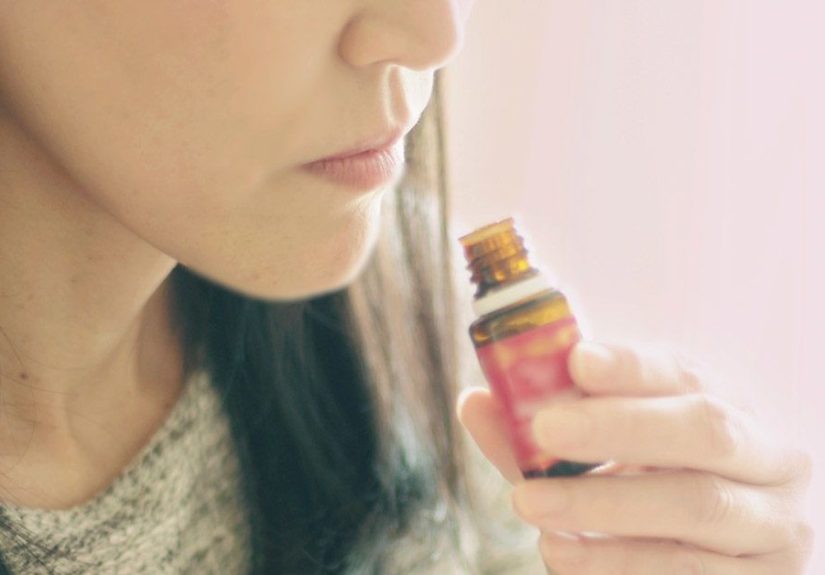
Essential oils can irritate skin, trigger asthma symptoms, and be toxic if ingested. “Detox” regimens can involve unsafe fasting, unregulated products, or extreme restrictions. If a protocol requires you to ignore medical care, hide symptoms, or “push through” severe reactions, that’s not healingit’s a red flag with a bow on it.
Research Snapshot: What Science Suggests (and What It Doesn’t)
What we know with confidence
- Antibiotics treat Lyme disease. Especially when started early, most people recover well.
- Some people have persistent symptoms after treatment (PTLDS). These symptoms are real, can be disruptive, and deserve supportive care and evaluation.
- Longer or repeated antibiotics are not a guaranteed fix for persistent symptoms and can cause significant harms (side effects, complications, antibiotic resistance, and more). That’s why major guidelines recommend against prolonged antibiotic courses in many persistent-symptom scenarios.
Where research is active (and still uncertain)
- Why PTLDS happens: Hypotheses include immune dysregulation, inflammation, nerve sensitization, tissue injury, or other post-infectious mechanisms.
- Better symptom management approaches: Rehabilitation strategies, sleep-focused interventions, pain neuroscience education, and integrative programs are being explored.
- Botanicals: Some herbs show antimicrobial or anti-inflammatory effects in early-stage research, but human clinical proof for curing Lyme infection is not established.
Safety: How to Explore Natural Options Without Making Things Worse
Rule #1: Don’t delay antibiotics when Lyme is suspected
Natural supports can run alongside medical care. They should not replace it.
Rule #2: Watch for red-flag symptoms
Seek urgent evaluation for symptoms that could suggest nervous system or cardiac involvement, such as fainting, chest pain, shortness of breath, severe headache with neck stiffness, new facial droop, significant weakness, or rapidly worsening confusion.
Rule #3: Supplements are not FDA-approved “Lyme treatments”
In the U.S., dietary supplements are regulated differently from drugs. They are not approved as treatments for diseases, and labels can be misleading. If a supplement promises to “cure Lyme,” “replace antibiotics,” or “kill spirochetes in 48 hours,” treat that claim like a suspicious text from an unknown number.
Rule #4: Be prepared for side effects and misinterpretations
Some people starting antibiotics can experience a short-term symptom flare known as a Jarisch–Herxheimer reaction (more commonly discussed in spirochete infections). But not every flare is “Herxing.” Allergic reactions, medication intolerance, dehydration, or other complications can also look like “getting worse.” Don’t self-diagnose a reaction and just keep stacking supplementstalk to a clinician if symptoms escalate.
Rule #5: Build a simple, trackable plan
Here’s a practical, safety-first way to combine medical and natural strategies:
- Confirm diagnosis and treatment plan with a licensed clinician.
- Pick 2–3 supportive habits (sleep routine, gentle walking, hydration, anti-inflammatory meals).
- Add one optional complementary therapy (like mindfulness practice, acupuncture for pain, or a clinician-approved probiotic).
- Track outcomes weekly: energy, pain, sleep quality, cognitive symptoms, and mood.
- Reassess at 4–6 weeks: What improved? What didn’t? What needs medical follow-up?
Prevention Counts as “Natural Treatment,” Too (Because No One Wants a Sequel)
Preventing another tick bite can be one of the most effective “natural” strategies you’ll ever use. Common U.S. public health guidance emphasizes:
- Use EPA-registered repellents (such as DEET, picaridin, IR3535, or oil of lemon eucalyptus when appropriate).
- Wear long sleeves/pants in tick areas and do thorough tick checks after being outdoors.
- Shower soon after outdoor activity and check pets (they can chauffeur ticks indoors).
- Consider permethrin-treated clothing (permethrin is for clothing/gearnot skin).
Conclusion: Natural Treatment That’s Actually Smart
Lyme disease calls for a grown-up plan: treat the infection with evidence-based medicine, then use natural and integrative strategies to support recovery, manage symptoms, and improve quality of life. The most helpful “natural treatments” tend to be the least dramatic: sleep, nutrition, gentle movement, stress skills, and carefully chosen symptom-relief approaches.
Be especially cautious with expensive “cure protocols,” massive supplement stacks, and anything that asks you to ignore mainstream care. Your goal isn’t to win an internet argument about Lymeit’s to get your life back.
Experiences: What Real People Commonly Report (and What Clinicians Often See)
People’s experiences with Lyme diseaseand with natural approachestend to fall into a few recognizable patterns. First, many describe a “wait, what is happening to my body?” phase: weeks of fatigue, aches, headaches, and a weird sense that they can’t bounce back the way they normally do. Some notice a rash and get treated quickly; others never see a classic bull’s-eye and spend time bouncing between “maybe it’s the flu,” “maybe I slept wrong,” and “why do my joints feel 40 years older?” That uncertainty often pushes people toward natural remedies early, partly because they’re accessible and partly because it feels better to do something while waiting for answers.
Once antibiotics start, experiences vary. Many people feel noticeably better within days or weeks and mostly move onthough they may still feel run-down for a while and rely on simple supports like extra sleep, hydration, and gentle movement. Others report a bumpier road: stomach upset, changes in appetite, or sleep disruption. This is where “natural” strategies often feel most useful in real lifenot as a cure, but as a way to stay functional. People commonly experiment with bland, easy meals, probiotic foods, and routines that reduce nausea or diarrhea (with the important caveat that anyone with significant symptoms should check in with their clinician rather than toughing it out).
For those who develop lingering symptoms after treatment, the emotional experience can be just as challenging as the physical one. Many describe frustration: labs look “fine,” but they don’t feel fine. Some say friends or coworkers assume they’re better because the antibiotics are done. In that gap, it’s common to seek integrative careacupuncture for pain, mindfulness for stress, or physical therapy to rebuild stamina. When these approaches help, people often describe the improvement as gradual and layered: sleeping a little better, having fewer “crash days,” thinking more clearly in the afternoon, or tolerating a longer walk without payback the next day.
Another frequent experience: supplement overload. People may try multiple herbs, vitamins, and “immune blends” at once, then struggle to tell what changedor why they suddenly have reflux, headaches, or jittery sleep. Many eventually report that simplifying helped: dropping to a short list, choosing reputable products, and focusing on fundamentals (sleep, nutrition, pacing). Clinicians who work with post-infectious syndromes often encourage this “less is more” approach because it reduces side effects, reduces interaction risks, and makes progress easier to track.
Finally, people often say the most helpful “natural treatment” wasn’t a pill at allit was a plan: a supportive clinician who listened, a realistic activity schedule, and a steady set of habits that helped their body recover. If there’s a universal takeaway from real-world Lyme stories, it’s this: the safest, most effective path usually combines timely medical care with practical, evidence-informed lifestyle supportnot a miracle cure hiding in a bottle.