Table of Contents >> Show >> Hide
- Table of Contents
- What Is the Palermo Butterfly Chair?
- A Quick (Delightful) History of the Butterfly Chair
- Materials: Leather, Cowhide, and the Hairpin Frame
- Comfort, Ergonomics, and the “Lounge Factor”
- How to Style a Palermo Butterfly Chair
- 1) Modern minimal: let the silhouette do the talking
- 2) Boho / global: texture on texture (the fun way)
- 3) Coastal (or “Palm Beach-adjacent”): breezy, not beachy
- 4) Industrial loft: black metal + warm leather = instant balance
- 5) Bedroom corner: the “landing zone” that looks intentional
- 6) Covered patio or sunroom: yes, with caveats
- Buying Checklist: How to Choose a Great Butterfly Chair
- Care & Maintenance: Keep That Leather Gorgeous
- Craft, Small Batches, and Why That Matters
- FAQ
- Experiences: Living With a Palermo Butterfly Chair
- Conclusion
Some chairs politely “go with” a room. The Palermo Butterfly Chair walks in, flutters its wings, and casually becomes the whole conversationwithout taking up much visual space. It’s light, sculptural, and somehow both modernist and cozy, like a design museum piece that also understands the concept of binge-watching.
In this guide, we’re going deep on what makes the Palermo Butterfly Chair special: the design lineage (hello, BKF), the materials that age like a good bottle of red, how to style it in real American homes, and how to care for it so it keeps looking better year after year.
What Is the Palermo Butterfly Chair?
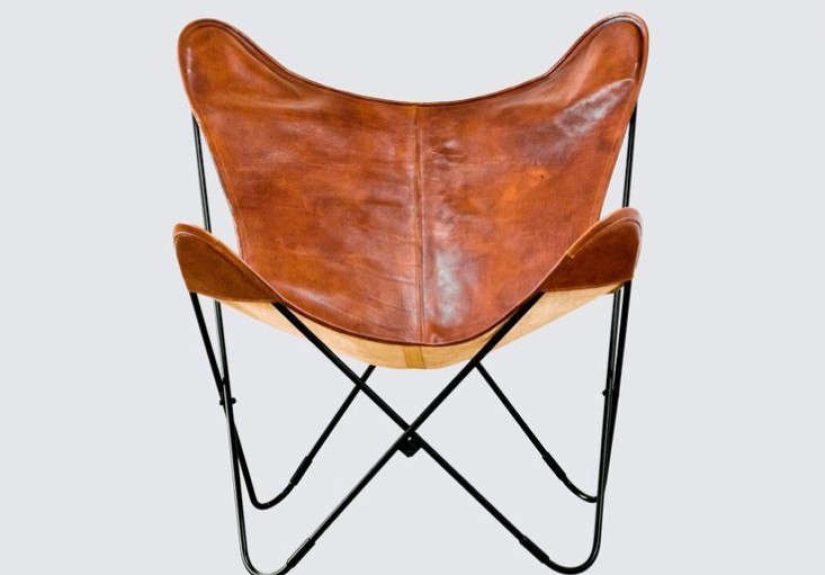
“Butterfly chair” describes a recognizable silhouette: a sling-style seat draped over a metal frame, creating a wing-like shape that cradles you when you sit. The Palermo Butterfly Chair is a specific, elevated take on that iconmost commonly associated with The Citizenry’s Palermo collaboration and workshop story, featuring a hand-finished leather (or cowhide) sling paired with a sleek iron frame.
Signature Palermo details
- Size & presence: Often listed around 33″ high x 30″ wide x 30″ deep, which reads substantial enough to anchor a corner without bulldozing your floor plan.
- Materials: A classic mix of Argentinian leather + iron frame, frequently shown in a rich cognac leather with a dark (often black) base.
- Small-batch personality: You’ll see this chair positioned as a limited, artisan-made piece, sometimes accompanied by details like a hand-numbered tag for that “not everyone has this” energy.
Translation: it’s the kind of accent chair that looks like you discovered it during a very chic detourwhile still being perfectly happy living next to your dog’s toy basket.
A Quick (Delightful) History of the Butterfly Chair
To appreciate the Palermo Butterfly Chair, it helps to know you’re not just buying a seatyou’re buying a design story that’s been turning heads since the late 1930s. The original butterfly chair is often called the BKF chair, named after its creators: Antonio Bonet, Juan Kurchan, and Jorge Ferrari Hardoy. Designed in Buenos Aires in 1938, it became an emblem of modern design with a simple idea: suspend a flexible sling on a minimal metal frame and let gravity do the comfort work.
The chair’s reputation traveled fast. The Museum of Modern Art in New York recognizes the BKF chair in its collection, describing it as a wrought-iron-and-leather design and noting production ties to New York manufacturing history. In other words: this isn’t “random chair from the internet.” This is “design icon with a passport stamp.”
By the mid-20th century, the butterfly chair was all over the style maploved for its sculptural outline and its easy, lounge-forward vibe. It also became wildly copied once production rights and protections got messy, which is why you can find everything from budget versions to heirloom-level, artisan-crafted interpretations today.
Why the Palermo version feels modern
The Palermo Butterfly Chair leans into what the butterfly chair does bestlight visual footprint, high style, big comfortwhile upgrading the materials and finish so it reads less “college apartment” and more “I have a signature cocktail and yes, it’s named after me.”
Materials: Leather, Cowhide, and the Hairpin Frame
If you’ve ever sat in a flimsy sling chair and thought, “This feels like it might file for divorce mid-sit,” you’ll understand why materials matter. The Palermo Butterfly Chair is often described with vegetable-tanned saddle leather or ethically sourced cowhide paired with an iron framean upgrade path that affects durability, comfort, and how the chair ages over time.
Vegetable-tanned saddle leather: the patina superstar
Vegetable-tanned leather is prized because it tends to develop a visible, unique patinasubtle shifts in tone, sheen, and character that reflect real life (the good kind of “wear and tear”). In practical terms, that means a cognac leather Palermo chair can look richer over time, not sadderassuming you treat it like leather and not like a kitchen countertop.
Cowhide: bold texture, instant personality
Cowhide versions often bring pattern and contrast into a roomgreat if your space needs a focal point that isn’t “another beige pillow.” The trick is to style it with intention so it feels curated, not like the chair is yelling. (Unless you want it to yell. No judgment.)
The hairpin-style iron frame: minimal, graphic, sturdy
The butterfly chair’s frame is part of its magic. The slender, angular base creates a floating effect that keeps the chair visually light. In Palermo interpretations, the frame is often described as iron and sometimes even “hairpin” in spiritclean lines, graphic silhouette, and the ability to disappear just enough to let the leather be the star.
Comfort, Ergonomics, and the “Lounge Factor”
The butterfly chair sits in a sweet spot between “accent chair” and “reading nook throne.” The sling design conforms to your body, distributing weight differently than a boxed cushion chair. That’s why it can feel surprisingly cozy even though it looks minimal.
What it’s great for
- Reading corners where you want to curl up with a book (or your phone, pretending it’s a book).
- Conversation seating that feels relaxed and welcoming.
- Bedrooms as a low-effort, high-style landing spot for tomorrow’s outfit.
- Small spaces because the open frame keeps sightlines airy.
What it’s not great for
- Formal desk work (your posture will write an angry letter).
- Very high seatsit’s a lounge chair, not a dining chair in disguise.
- Anyone who needs a firm, upright sit for mobility reasonstest comfort and seat height before committing.
Pro tip: if you love the silhouette but want extra softness, add a sheepskin, a lumbar pillow, or a folded throw. You’ll keep the iconic shape while upgrading the “stay awhile” factor.
How to Style a Palermo Butterfly Chair
The Palermo Butterfly Chair is a styling chameleon. It can read modern, bohemian, coastal, rustic, or gallery-clean depending on what you pair with it. Here are a few foolproof approaches that work especially well in American interiors.
1) Modern minimal: let the silhouette do the talking
Pair a cognac leather Palermo chair with a neutral rug, a simple side table, and one oversized piece of art. Keep the palette tightcream, black, warm brown, maybe a muted olive. The chair becomes a sculptural anchor without clutter competing for attention.
2) Boho / global: texture on texture (the fun way)
Butterfly chairs show up constantly in relaxed, layered interiors because they bring an easy-going vibe without feeling bulky. Try it with a vintage kilim, a woven basket, plants, and mixed woods. Add a patterned pillow if your leather is solid, or keep pillows simple if you’ve chosen cowhide.
3) Coastal (or “Palm Beach-adjacent”): breezy, not beachy
If your room leans coastal, a leather butterfly chair is a great counterpoint to rattan and linen. Put the Palermo chair near a window with gauzy curtains, add a pale jute rug, and bring in one glossy accent (a lacquer tray, a ceramic lamp). The mix feels fresh instead of theme-y.
4) Industrial loft: black metal + warm leather = instant balance
This is the chair’s natural habitat. The iron frame echoes steel windows, black hardware, and concrete floors, while leather keeps things warm. Add a floor lamp with an arched arm and you’ve got a corner that looks designed on purposeeven if you assembled it while eating cereal.
5) Bedroom corner: the “landing zone” that looks intentional
Place the chair opposite the bed, add a small round table, and hang a mirror above. It becomes the spot for shoes, a robe, or a late-night scroll sessionwithout the visual heaviness of a bulky armchair.
6) Covered patio or sunroom: yes, with caveats
Leather and direct weather are not best friends. But in a covered, low-moisture space, the Palermo Butterfly Chair can be stunning. Keep it out of harsh sun, avoid humidity-heavy exposure, and consider a throw as a protective layer. If your space is truly outdoors, choose materials designed for outdoor use instead.
Buying Checklist: How to Choose a Great Butterfly Chair
Because the butterfly chair is widely reproduced, shopping smart matters. Use this checklist to separate “future heirloom” from “mystery squeak machine.”
Construction and materials
- Leather quality: Look for substantial leather that feels dense, not papery. Vegetable-tanned saddle leather tends to age beautifully.
- Stitching and edges: Clean stitching and reinforced stress points matter because the sling carries your weight.
- Frame integrity: Check welds, finish quality, and whether the frame feels rigid and stable.
- Floor protection: Make sure it has protectors, or add felt pads to avoid scratching floors.
Fit and function
- Seat height and depth: If you prefer easy in-and-out seating, test it (or check detailed dimensions) before buying.
- Where it will live: Sun-drenched rooms may fade leather faster; busy pathways may scuff the frame.
- Pets and kids: Leather is durable, but claws and spills are real. Plan your placement accordingly.
If you’re shopping specifically for the Palermo Butterfly Chair, confirm you’re getting the materials and finish you want (cognac leather vs. cowhide) and double-check dimensions so it fits your layout without blocking traffic flow.
Care & Maintenance: Keep That Leather Gorgeous
Leather is a natural material. Treat it like skin: keep it clean, don’t over-soak it, and moisturize it occasionally. The payoff is a chair that looks better with age instead of slowly turning into a crispy fall leaf.
Weekly-ish maintenance
- Dust or wipe with a clean microfiber cloth.
- Spot-clean quickly after spills (don’t let stains settle in).
Routine cleaning
For basic cleaning, gentle tools and mild solutions are your friend. Many mainstream home-care guides recommend simple, non-harsh approaches (like mild soap with water) for routine leather upkeep. Always test any cleaner on a hidden area first.
Conditioning
Conditioning helps keep leather supple and reduces the risk of drying and cracking. If your chair lives near HVAC blasts, fireplaces, or sunny windows, it may need conditioning more often. Again: test first, go light, and avoid oily DIY experiments that can darken or blotch leather unpredictably.
Where NOT to place it
- Direct sunlight: can fade and dry leather over time.
- Right next to heat sources: accelerates drying and cracking.
- High-humidity zones: can stress natural materials.
Bottom line: the Palermo Butterfly Chair is low maintenance, not no maintenance. A few small habits keep it looking rich and intentional for the long run.
Craft, Small Batches, and Why That Matters
One reason the Palermo Butterfly Chair gets so much attention is that it’s frequently framed as an artisan-made piece, crafted in Argentina with traditional leatherworking techniques. When a chair is produced in small batches, you’re often getting more human attention to the details: leather selection, dyeing, trimming, stitching, and finishing.
This matters for two practical reasons. First, quality control: the sling is the seat, so the build details really do affect how it feels and how long it lasts. Second, longevity: a well-made leather-and-iron chair can stick around for years (even decades), which is a form of sustainability all its ownbecause the greenest chair is frequently the one you don’t replace.
FAQ
Is a Palermo Butterfly Chair good for small spaces?
Yesespecially compared to bulky upholstered chairs. The open frame keeps the room feeling airy, and the chair’s footprint is usually manageable. Just leave enough clearance so people aren’t doing an obstacle course to reach the sofa.
Does leather feel cold or slippery?
Leather can feel cooler at first touch, especially in winter. A throw or sheepskin fixes that instantly and adds a cozy, layered look.
Will the sling stretch over time?
Some softening and natural shaping is normal (and often desirable). Better-quality leather and solid stitching help the chair age gracefully instead of becoming a hammock with commitment issues.
Experiences: Living With a Palermo Butterfly Chair
Let’s talk about the part that doesn’t show up in product specs: what it’s actually like to live with a Palermo Butterfly Chair day to day. Because once the “new chair glow” fades, the real test is whether it earns a permanent spotor becomes an expensive coat rack with a great silhouette.
The first week: you’ll move it. A lot. The chair is visually light, so it tempts you into experimentingby the window for morning coffee, angled toward the sofa for conversation, tucked into a corner with a floor lamp for reading. It’s the rare piece that makes rearranging feel less like “furniture logistics” and more like “interior design montage.” And because the butterfly shape is sculptural from almost every angle, it tends to look good even when you haven’t found its final home yet.
The “oh, this is comfy” moment: happens when you stop perching and actually sink in. The sling seat cradles you differently than a stiff accent chair. It’s lounge-y, a little relaxed, and quietly encourages you to stay put. People often end up using it as a decompression seat: shoes off, shoulders down, brain switching from “emails” to “existence.” It’s not a task chair, but it’s excellent at the human task of chilling out.
How it changes your room’s vibe: is sneaky. A Palermo Butterfly Chair can make a space feel more intentional without adding bulk. In living rooms, it creates that designer trick of “extra seating that doesn’t visually crowd the room.” In bedrooms, it becomes a calm landing zone that feels elevatedlike a mini suite moment, even if your “suite” includes a laundry basket doing its best.
With pets and kids: the chair becomes a magnet. Leather is generally resilient, but you’ll notice the chair invites real lifekids flopping dramatically, dogs claiming it as their throne, and guests who immediately test it like they’re auditioning for a furniture commercial. The good news: a quality leather sling can handle normal use. The realistic advice: keep a soft throw nearby if you want a quick protective layer (and also because throws make everything look styled, even when you’re not trying).
Over time: the chair gets better looking. This is the magic of good leather: it develops character. You’ll see subtle changes in tone and softness that make it feel lived-in in the best wayless “brand new showroom,” more “favorite corner of the house.” And because the butterfly chair is a design icon with a long history, it doesn’t feel trendy in a fragile way. It feels classiclike it belongs, even when the rest of your decor evolves.
If you want one piece that can float between styles, survive redecorating phases, and still look like you made a deliberate choice (instead of panic-buying furniture at 1 a.m.), the Palermo Butterfly Chair is a strong contender.
Conclusion
The Palermo Butterfly Chair is popular for a reason: it’s rooted in one of modern design’s most recognizable silhouettes, upgraded with rich materials, and easy to style in almost any room. It can be minimal, cozy, bold, or breezy depending on how you pair itand with basic leather care, it’s the kind of piece that can age into something even more beautiful than the day it arrived.
Whether you’re building a reading nook, adding flexible seating to a living room, or looking for a sculptural accent that doesn’t overwhelm your space, this chair brings the rare combination of history, craftsmanship, and everyday comfort. In short: it’s a butterfly that actually sticks around.